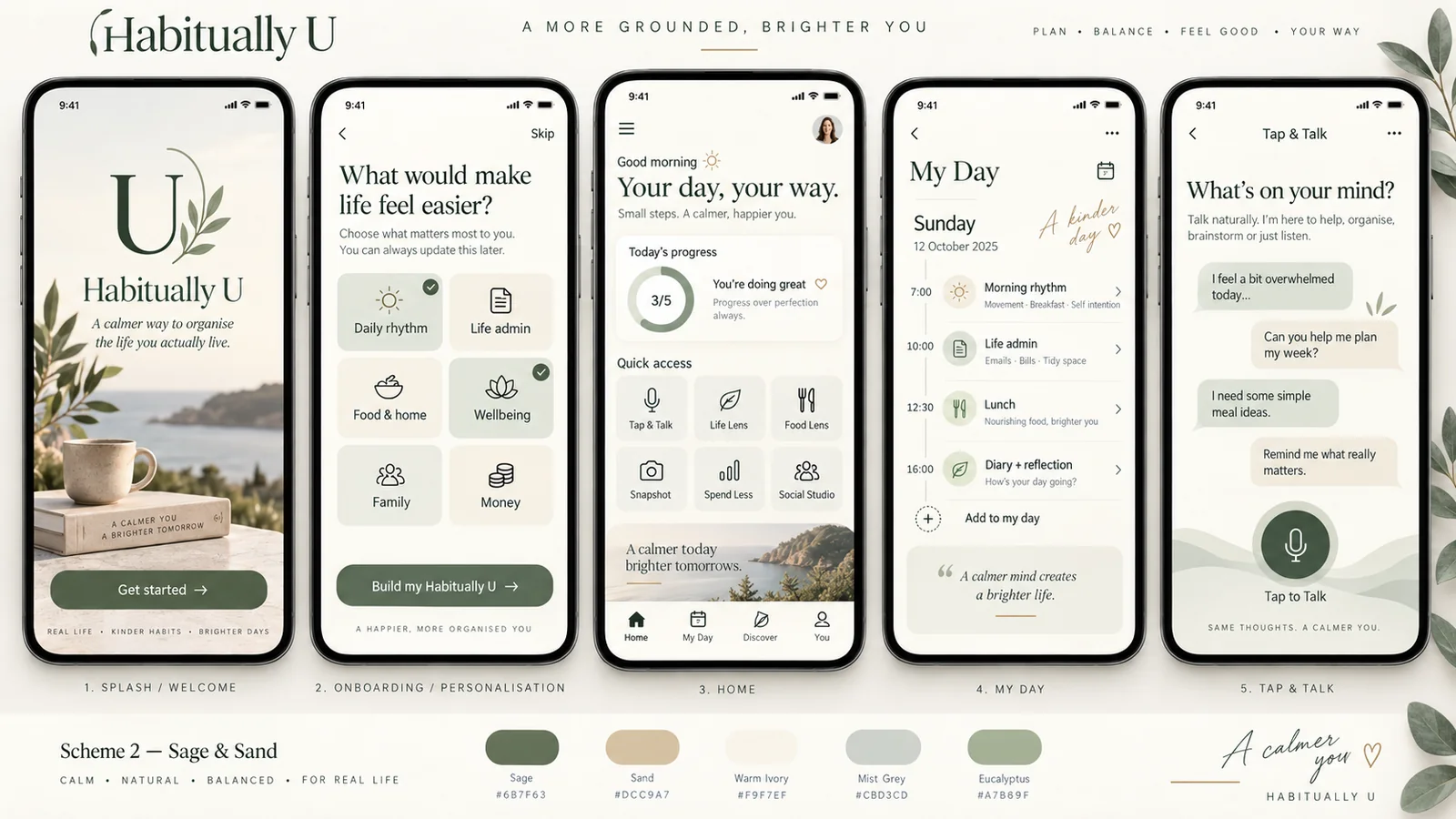
Get gentle reminders that help you eat, feel and live better every day.
🍽️ Meal planner reminders
💧 Hydration check-ins
💊 Vitamin & supplement nudges
✨ New mood recipes for you
👶 Kids cooking activity alerts
Start with what you need today. Add more whenever you are ready.
Where to begin
Six places, one connected life.
Everything in Habitually U lives in one of these. Start wherever feels most useful today.
Quick Access
Your everyday essentials, one tap away. ♡
The Habitual Range
Focused companions for the parts of life that deserve a space of their own — each one plugged into the same connected flow.
The tools behind the flow
Everyday life, captured beautifully.
Snap it, say it, save it or share it. Habitually U helps you capture what matters, understand where it belongs and turn it into something useful.
One capture. Endless possibilities.
The Habitually U Flow
One Flow. Everything connects.
Your life. Your way. All in one flow.
Capture
Life Lens
Food Lens
Tap & Talk
Social Studio
Understand
Hero Pulse
Organise
My Rhythm
Life Map
Life Vault
Use Anywhere
Kitchen
Kids
Community
Care Circle
Not just apps. A connected ecosystem.
Capture what matters. Understand it. Organise it your way. Then use it anywhere in your life. Every part of Habitually U works together so you can focus on what truly matters.
Private & secure
Always in sync
Access anywhere
Designed for life
Connect your apps
Habitually U works alongside what you already use, so your day keeps
adding up in one place — however you log it.
More connections are on the way, including Google Health Connect and wearables.
Powered by HU Flow
Quietly helping you organise, understand and act.
HU Flow is not somewhere you go. It works across every part of Habitually U — tidying what you capture, noticing what matters and turning it into something useful.
Organise a captureSummarise a journalBuild a meal planPrepare for an appointmentFind useful patternsTurn ideas into action
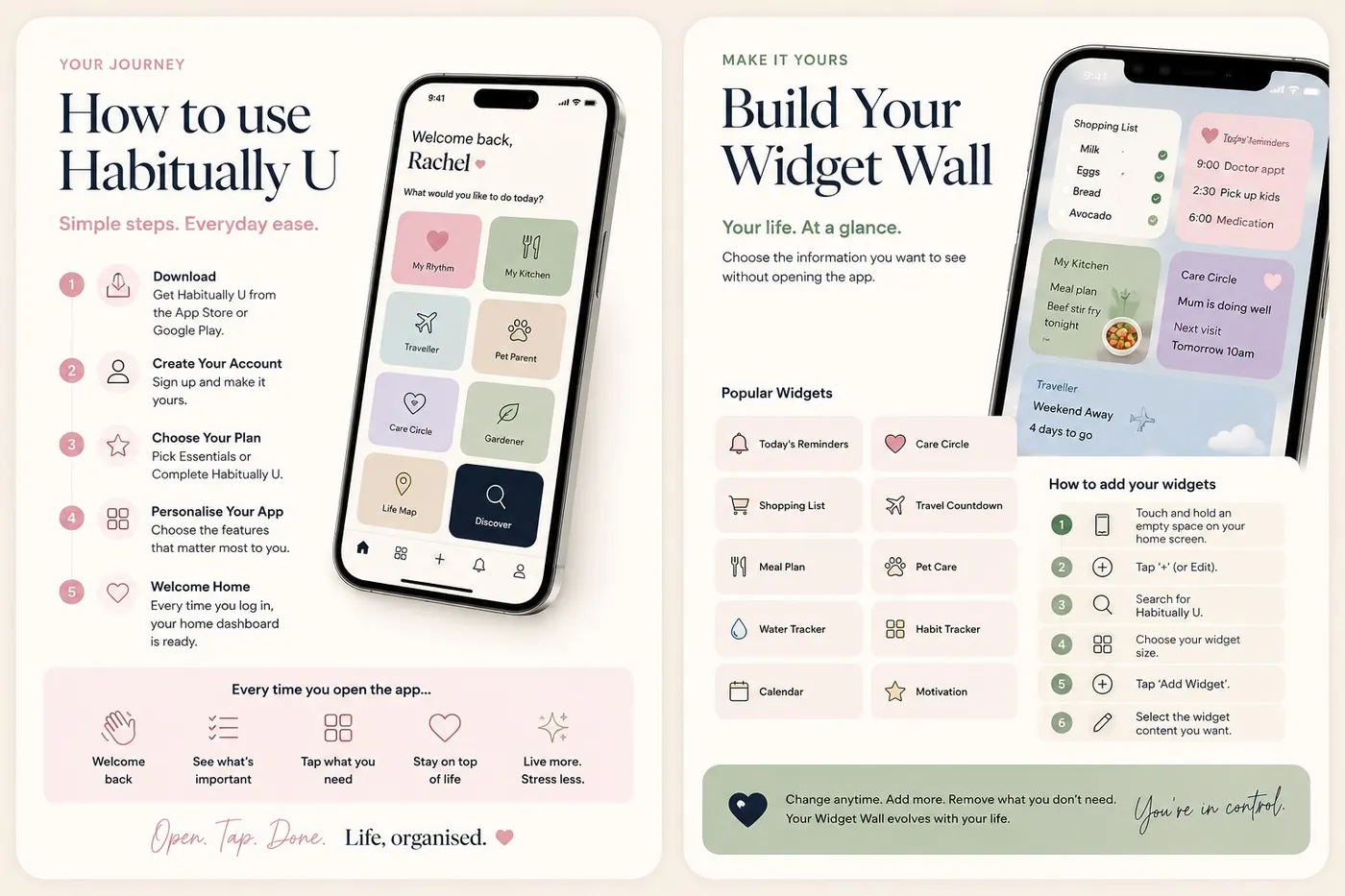
Your Journey
How to use Habitually U
Simple steps. Everyday ease.
1DownloadGet Habitually U from the App Store or Google Play.
2Create Your AccountSign up and make it yours.
3Choose Your PlanPick Essentials or Complete Habitually U.
4Personalise Your AppChoose the features that matter most to you.
5Welcome HomeEvery time you log in, your home dashboard is ready.
9:41
Welcome back,
Rachel
What would you like to do today?
My Rhythm
My Kitchen
Traveller
Pet Parent
Care Circle
Gardener
Life Map
Discover
Every time you open the app…
Welcome back
See what’s important
Tap what you need
Stay on top of life
Live more. Stress less.
Open. Tap. Done.Life, organised.
Make it yours
Build Your Widget Wall
Your life. At a glance.
Choose the information you want to see without opening the app.
Popular Widgets
Today’s Reminders
Care Circle
Shopping List
Travel Countdown
Meal Plan
Pet Care
Water Tracker
Habit Tracker
Calendar
Motivation
9:41
Shopping List
Milk
Eggs
Bread
Avocado
Today’s Reminders
9:00 Doctor appt 2:30 Pick up kids 6:00 Medication
My Kitchen
Meal plan Beef stir fry tonight
Care Circle
Mum is doing well Next visit Tomorrow 10am
Traveller
Weekend Away · 4 days to go
How to add your widgets
1
Touch and hold an empty space on your home screen.
2
Tap ‘+’ (or Edit).
3
Search for Habitually U.
4
Choose your widget size.
5
Tap ‘Add Widget’.
6
Select the widget content you want.
Change anytime. Add more. Remove what you don’t need. Your Widget Wall evolves with your life.
You’re in control.
Every day
Everyday Essentials
The tools you reach for most, always one tap away.
New podcast
Short, honest conversations about food, habits, feelings and everyday life — one day at a time.
Coming Soon
Follow along
@habituallyu
One day at a time
The same honest conversations, in smaller moments — kitchen notes, little wins and the everyday bits in between.
I'm a wife, night shift care worker, carer to my darling mum who lives with us, entrepreneur and total list lover who believes life gets better when it's organised, shared and celebrated.
Habitually U was born from real life — juggling all the things, remembering what matters and finding calm in the everyday chaos.
This is your space to simplify, plan, connect and create more of what matters. You've got this — and Hey U, we've got you.
Let's build a life we love, together.
My Pantry
Know what you already have, cook with what you've got, and restock without the stress.
Your pantry helps you keep track of the food already in your kitchen, discover recipes you can make today, add meals to your planner, and restock items when they run low.
Cooking for
Add pantry item
Add something you already have at home. No pressure to log everything at once.
Always keep stocked
Low stock alert
Scan or quick add
📷 Barcode scanning is coming soon. For now, quickly add a staple by name — start with your staples.
Add to meal planner
Pick a day and who you're cooking for. Missing items can go straight to your trolley.
Mood Science
Your brain is built in the kitchen.
Decades of nutritional neuroscience, made accessible.
🌍 Mood Worlds
Each mood state has a nutritional landscape. Mood Worlds maps the foods that support calm, energy, focus, sleep, and comfort.
🧪 95% of serotonin is produced in the gut.
🧠 Food & Brain
Omega-3s, B-vitamins, magnesium, and iron are critical to neurotransmitter production. The food on your plate today shapes your mood tomorrow.
🥑 Tryptophan is your natural serotonin precursor.
💧 Hydration Science
Even mild dehydration measurably impairs focus, increases anxiety, and reduces energy. Track all fluids — not just water.
💧 75% of people are chronically mildly dehydrated.
🍽️ Mood Plate System
Every meal receives a Mood Plate Score — a 1–10 rating based on mood-supportive nutrients, fibre, glycaemic impact, and anti-inflammatory profile.
📊 Users report 34% improvement in mood after 30 days.
🔓
Unlock My Kitchen
Save recipes, build meal plans, and track your mood-food connection.
✓Save unlimited recipes to your collection
✓Build weekly mood meal plans
✓Add ingredients to your smart pantry
✓Track your personal mood-food connection
or
📊
Unlock Premium Insights
See your full weekly picture — what helped, what changed, and what to try next.
✓Mood, meal & hydration trends every week
✓Budget wins and movement & recovery patterns
✓Shareable wellness snapshots for your circle or team
✓Personalised "what to try next" suggestions
From £14.99/mo · 7-day free trial · cancel anytime
or
💛 Food Support
Food support, whenever you need it
Save the foods you trust and reach for gentle tools — no pressure, no judgement, all in one calm place.
💛 Your safe foods sync with My Kitchen pantry, Mood Meals recipes and your My Rhythm log — always one tap away.
🤗
Your personal library
Comfort Foods
Quick add
Your library
💛 Saved on this device — and ready in your My Kitchen pantry.
✦ New
Bench Tips
Small ideas from the bench that make everyday cooking easier — from freezing bread slices to using up the crusts little ones leave behind.
Tiny tips, big difference
Bench Tips are the little things you wish someone told you sooner — simple habits that help stretch the budget, reduce waste and make your kitchen feel easier.
Bread & Baking
Separate your loaf before freezing
Freeze bread in slices so you only take out what you need. It keeps mornings easier and helps stop half-used loaves going to waste.
Keep a labelled freezer bag for crusts, stale rolls and leftover bread. When it’s full, blitz into breadcrumbs for schnitzels, meatballs, toppings or stuffing.
No Bench Tips foundTry searching bread, freezing, leftovers or storage.
Search by ingredient or habit
Find tips for bread, bananas, carrots, herbs, rice, leftovers, freezing, lunchboxes and more.
Connected across My Kitchen
Bench Tips link up with the rest of your kitchen, so the right idea finds you at the right moment.
📖
Recipe Hub
See tips related to the recipe you’re cooking.
🫙
Pantry
Get storage tips for ingredients you already have.
🛒
Shopping List
Add clever reminders before you shop.
🗓️
Meal Planner
Plan meals around food that needs using.
🏷️
Yellow Sticker Shopping
Know what to cook, freeze or use first.
🥕
Ingredient Library
Learn storage, shelf life and food-saving ideas.
♻️
Before you bin it…
Before you throw it away, search Bench Tips. That crust, soft banana, tired carrot or leftover rice might still have another meal in it.
Subscribe to save tips, link them to recipes and build your own kitchen know-how library.
🔒
Unlock Bench Tips
Save your favourite tips, connect them to recipes, add reminders to your shopping list and build a searchable kitchen know-how library.
☕ Signature HU Community Feature
HU Coffee & Connection
Brew a coffee. Invite a few people over. Share one simple idea that makes life a little better.
A monthly Habitually U ritual where the community, creators, wellness professionals and everyday families come together to share recipes, tips, memories, habits and meaningful conversation.
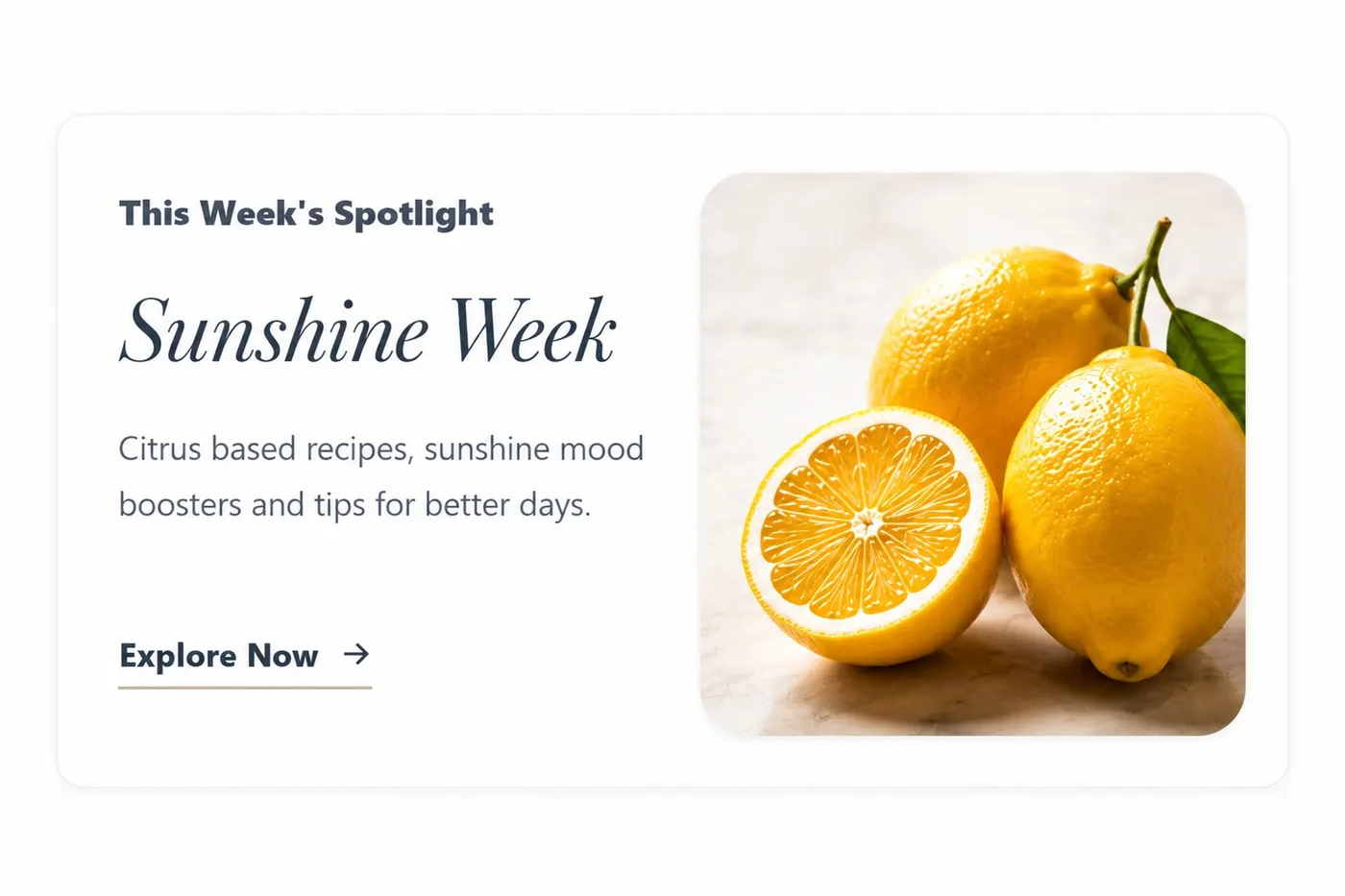
This Month at HU✨
Citrus & Sunshine
Invite your people, serve something simple, and share your brightest kitchen tip, recipe or small habit.
Featured Host
The Community Table
Menu, favourite habit, conversation starter and shareable recipe card.
Community Hashtag
#HUCoffeeAndConnection
How it works
Simple enough for anyone to host, meaningful enough to become a monthly Habitually U tradition.
☕
Brew
Make coffee or tea and keep the food simple — one bake, fruit, toast or a small shared plate.
👥
Gather
Invite friends, family, neighbours, clients, mums’ groups or your workplace.
💚
Connect
Use HU conversation cards to share recipes, habits, memories and everyday ideas.
Monthly themes
Each month gives the community a fresh reason to gather, share and create.
📅
Citrus & Sunshine
📅
Grow Something
📅
Bread Week
📅
Winter Wellness
📅
Family Favourites
📅
Comfort Food
📅
Spring Refresh
📅
Homemade Christmas
Free printable
HU Conversation Cards
Downloadable cards that help people start warm, thoughtful and useful conversations around the table.
💬
What’s one habit that has made your life easier?
💬
What’s the best kitchen shortcut you know?
💬
Share a recipe everyone should know.
💬
What’s something your grandparents taught you?
💬
What’s one place everyone should visit?
💬
What’s one small thing that helped your week?
⭐ Influencer Edition
This Month’s Featured Host
Each month HU can invite a chef, wellness professional, creator, café, gardener or everyday family to share their coffee morning with the community.
Their menu
Their favourite habit
Their recipe card
Their conversation starter
A short video
Community challenge
Host spotlight example
Coffee with a Chef
A simple morning menu, one clever kitchen tip, a nostalgic recipe and a habit that keeps family food easier during the week.
👩🍳
Featured recipe
Orange yoghurt loaf with honey butter
🌱
Small habit
Slice and freeze your loaf so nothing goes to waste.
Share yours with HU
Coffee & Connection naturally creates community content, influencer collaborations and everyday inspiration.
📷
Share your table
Upload a photo from your coffee morning and inspire the HU community.
💬
Share your best idea
Post a recipe, tip, habit, memory or conversation starter.
🔗
Use the hashtag
Tag your post with #HUCoffeeAndConnection.
Who can host?
Everyone has something worth sharing — from experts to everyday families.
Start small. Invite a few people over. Share one recipe, one tip or one habit. Then add it to the HU community so it lives on.
Meal Planner
Plan your meals, stay organized and reach your goals.
📅 May 26 – June 1, 2024
✦
Subscribe to access your personalised weekly meal planner
Save your plans, build every family member's week, and sync your shopping list.
Daily Goals
Manage Profiles
Build a profile for each person — the planner tailors meals to their needs.
Add a meal
Pick a day and slot, then add a recipe.
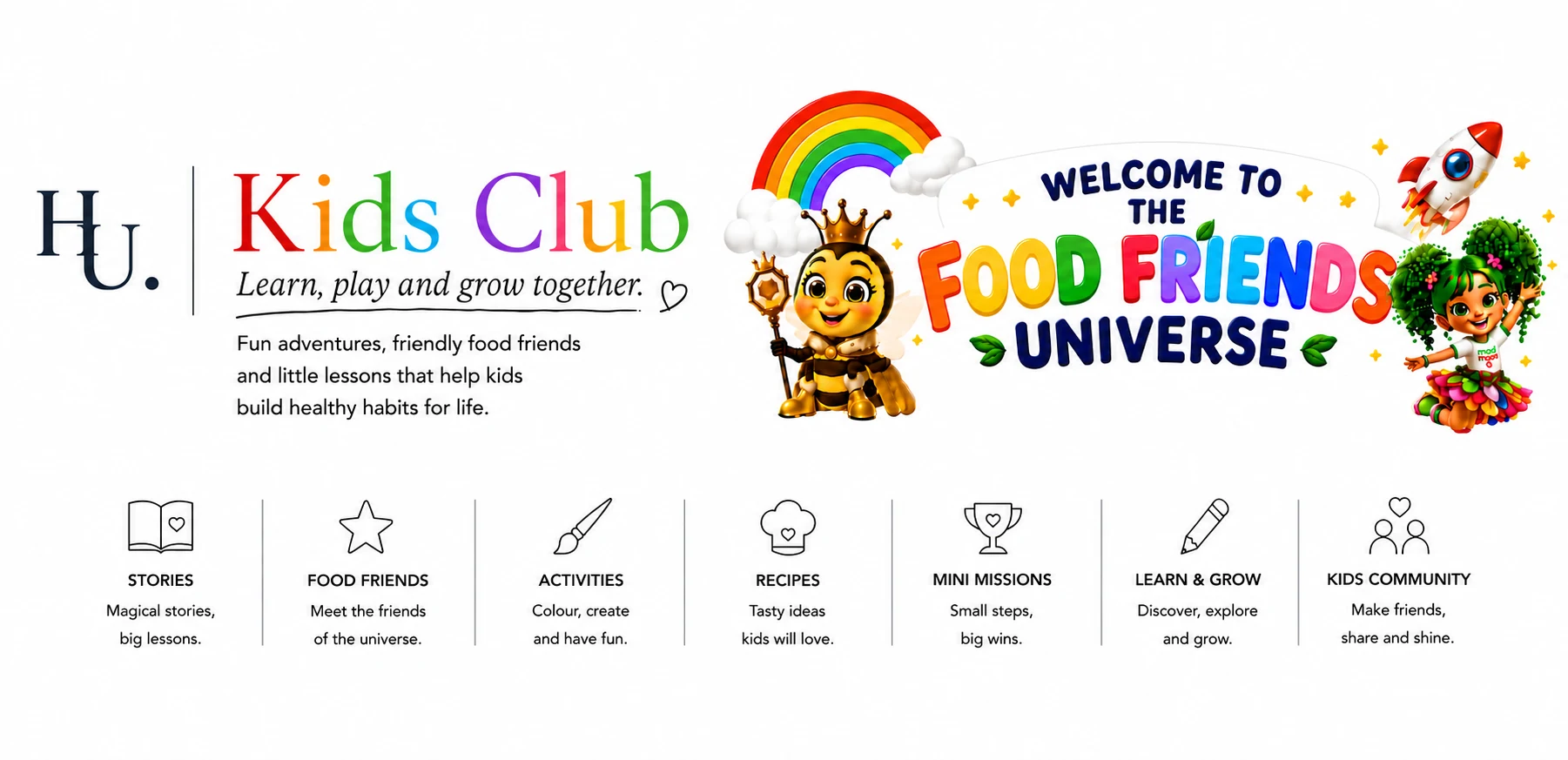
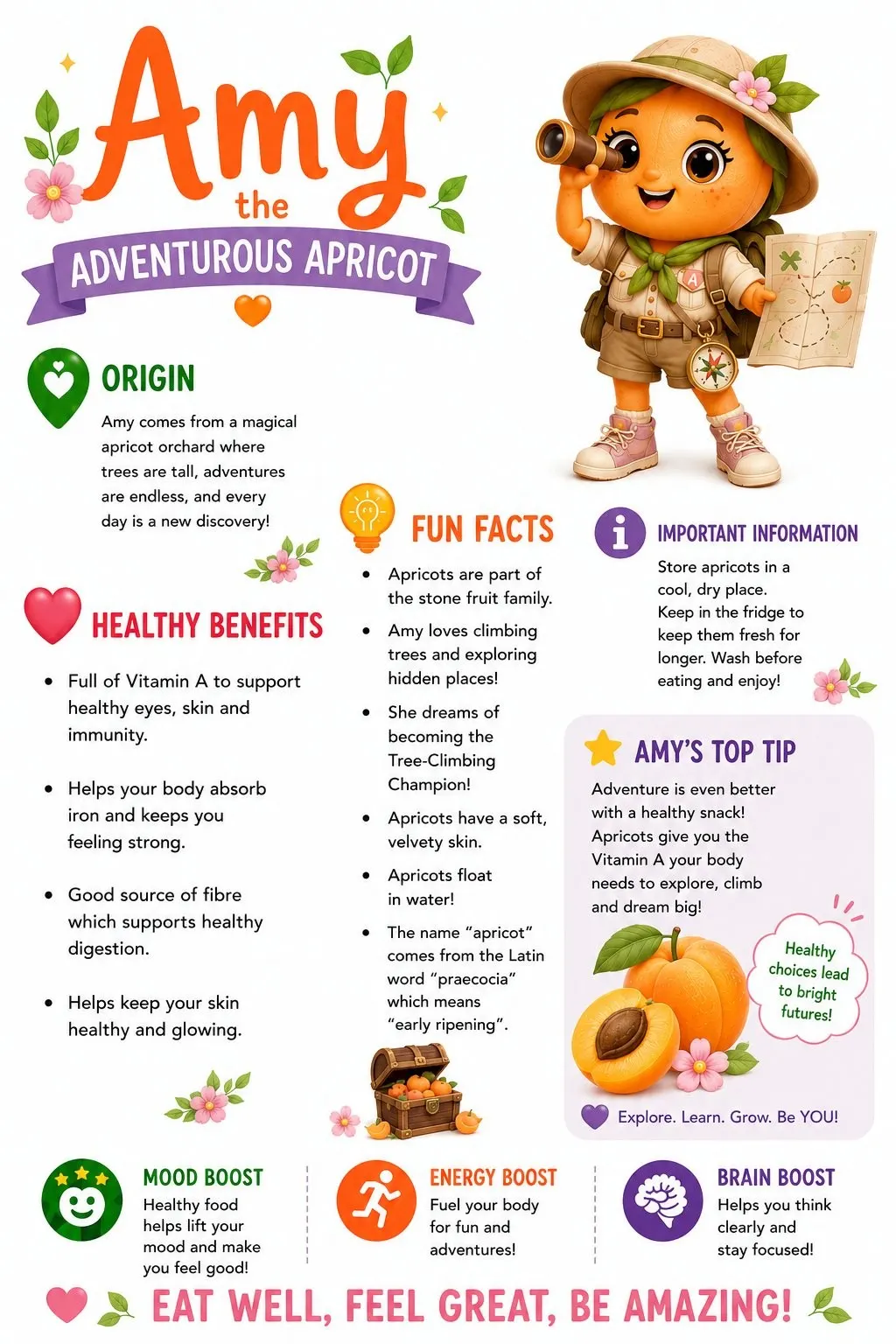
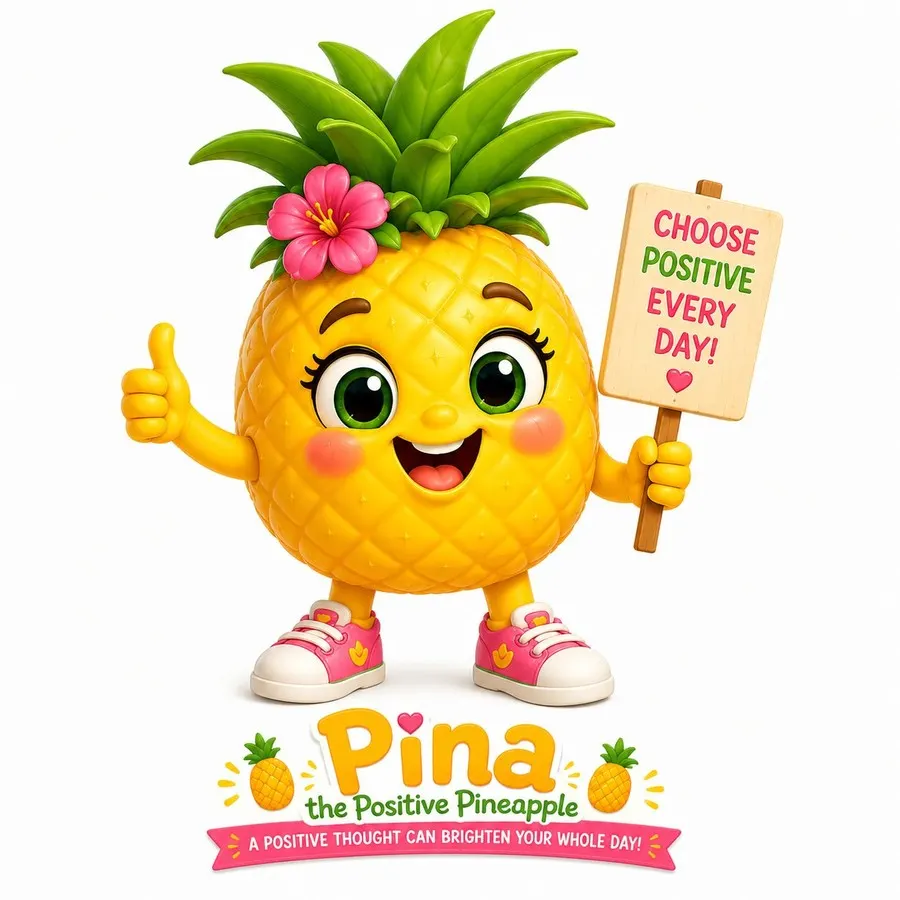
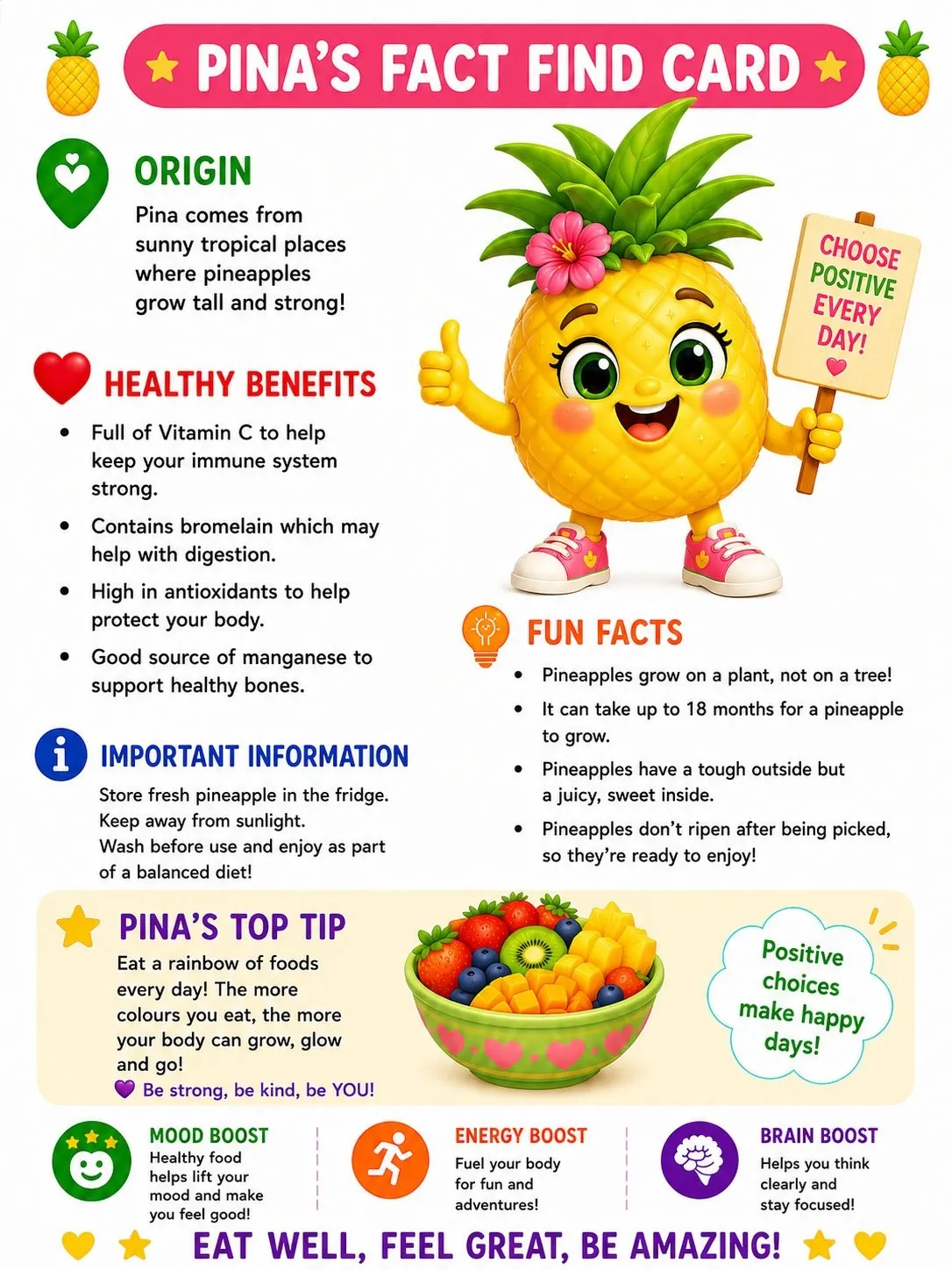
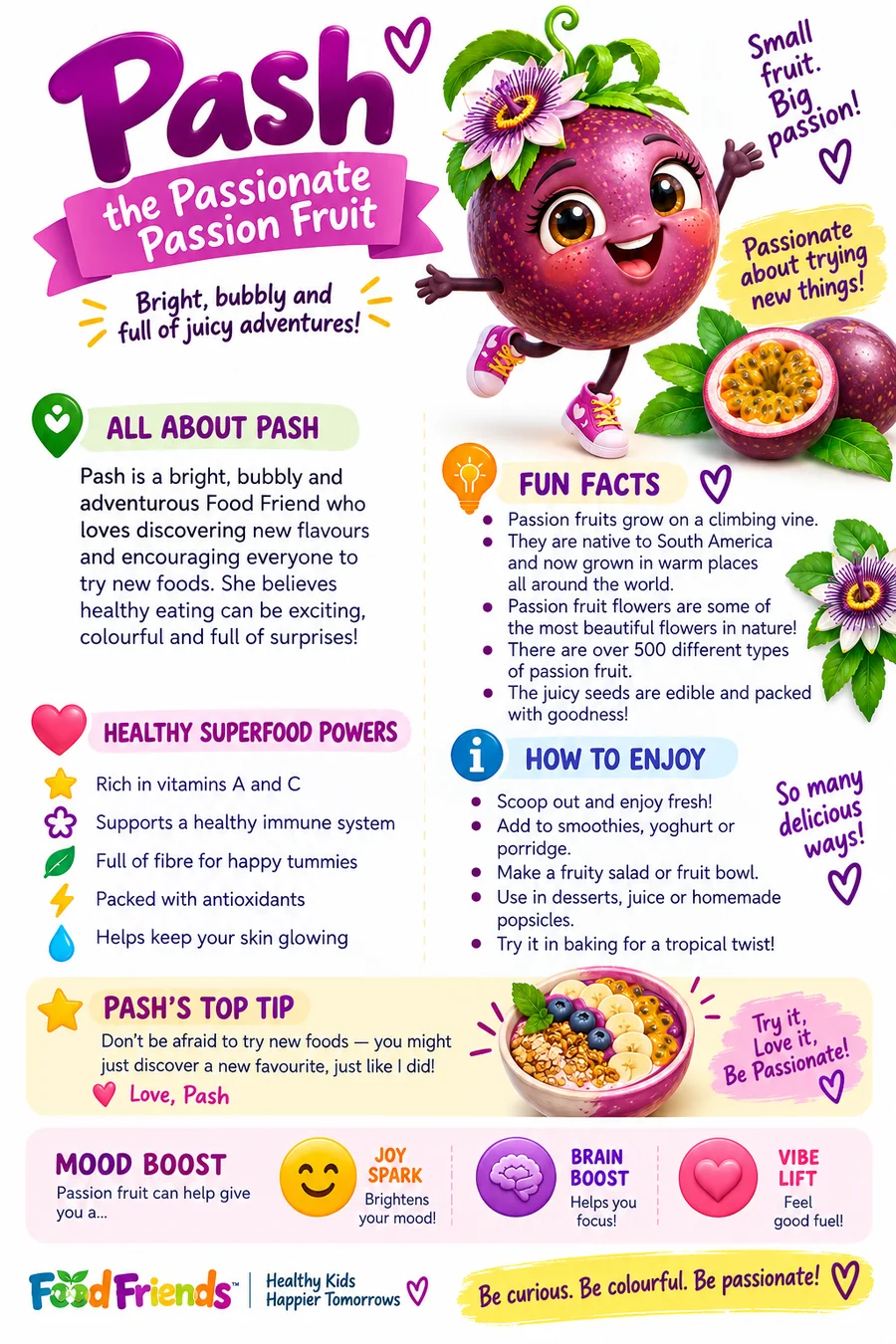
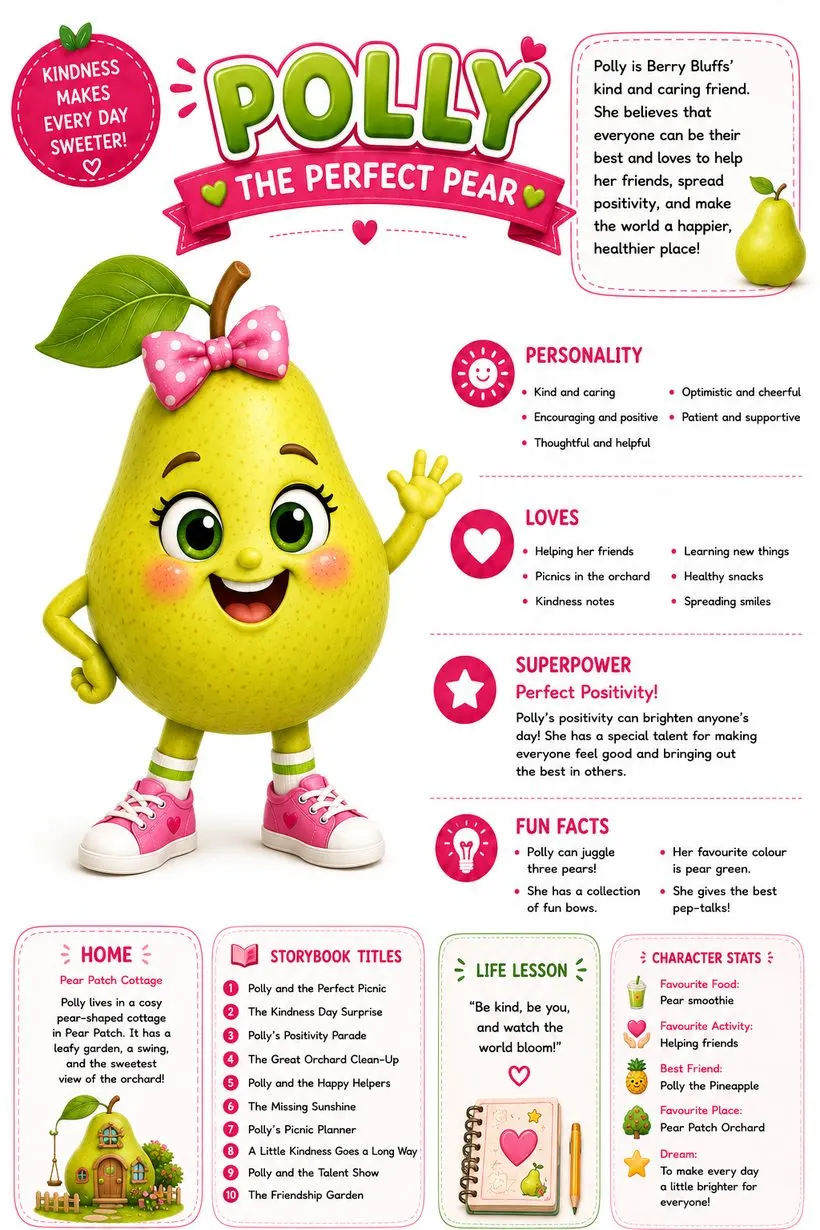
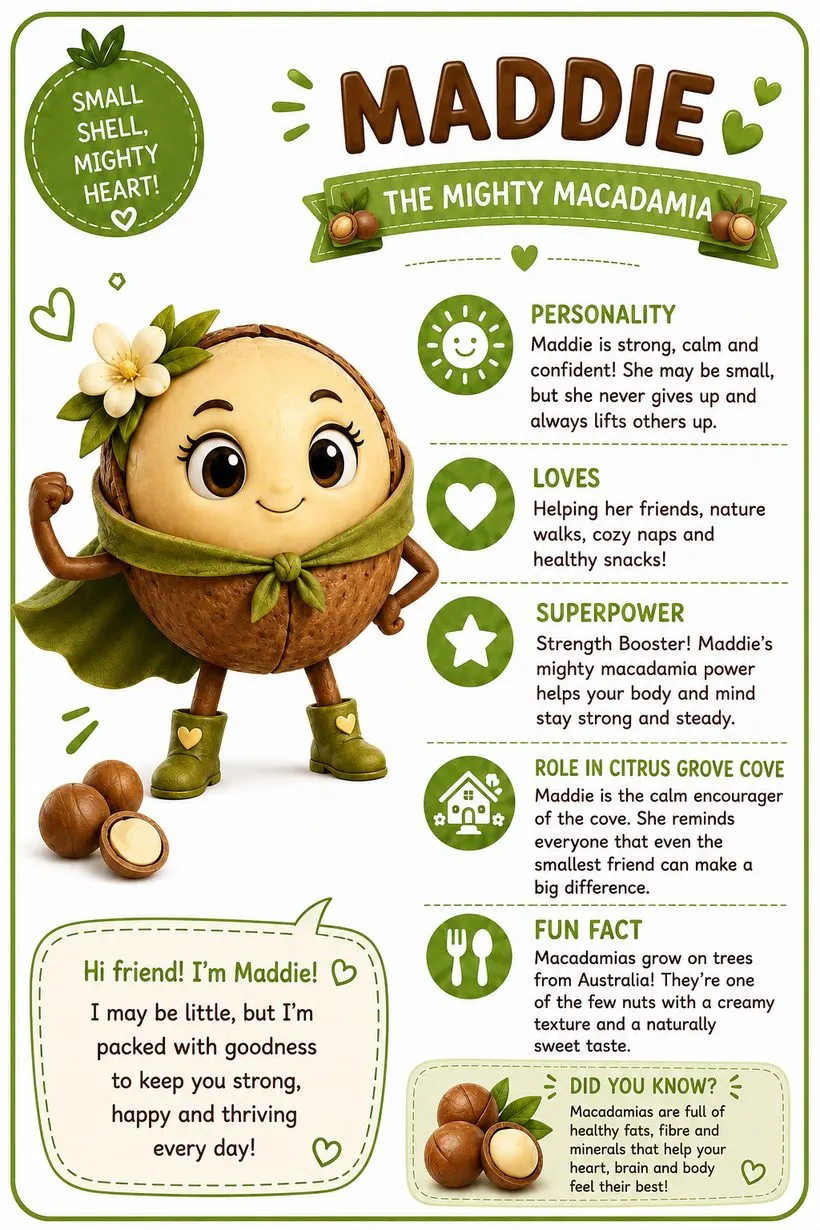
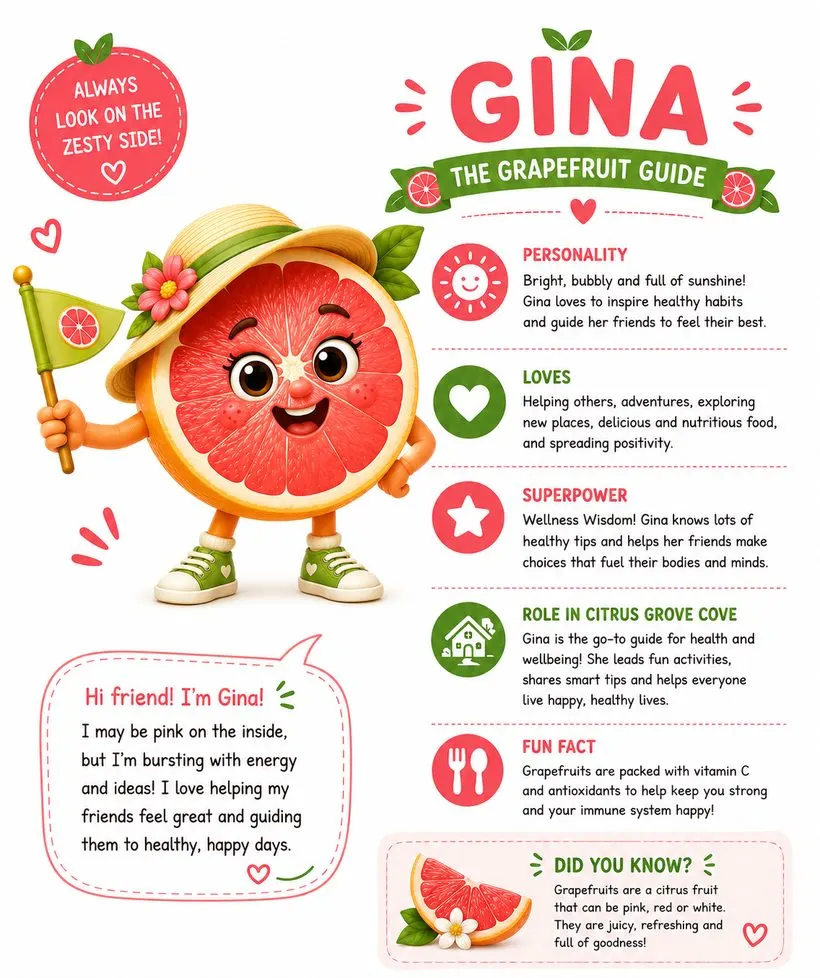
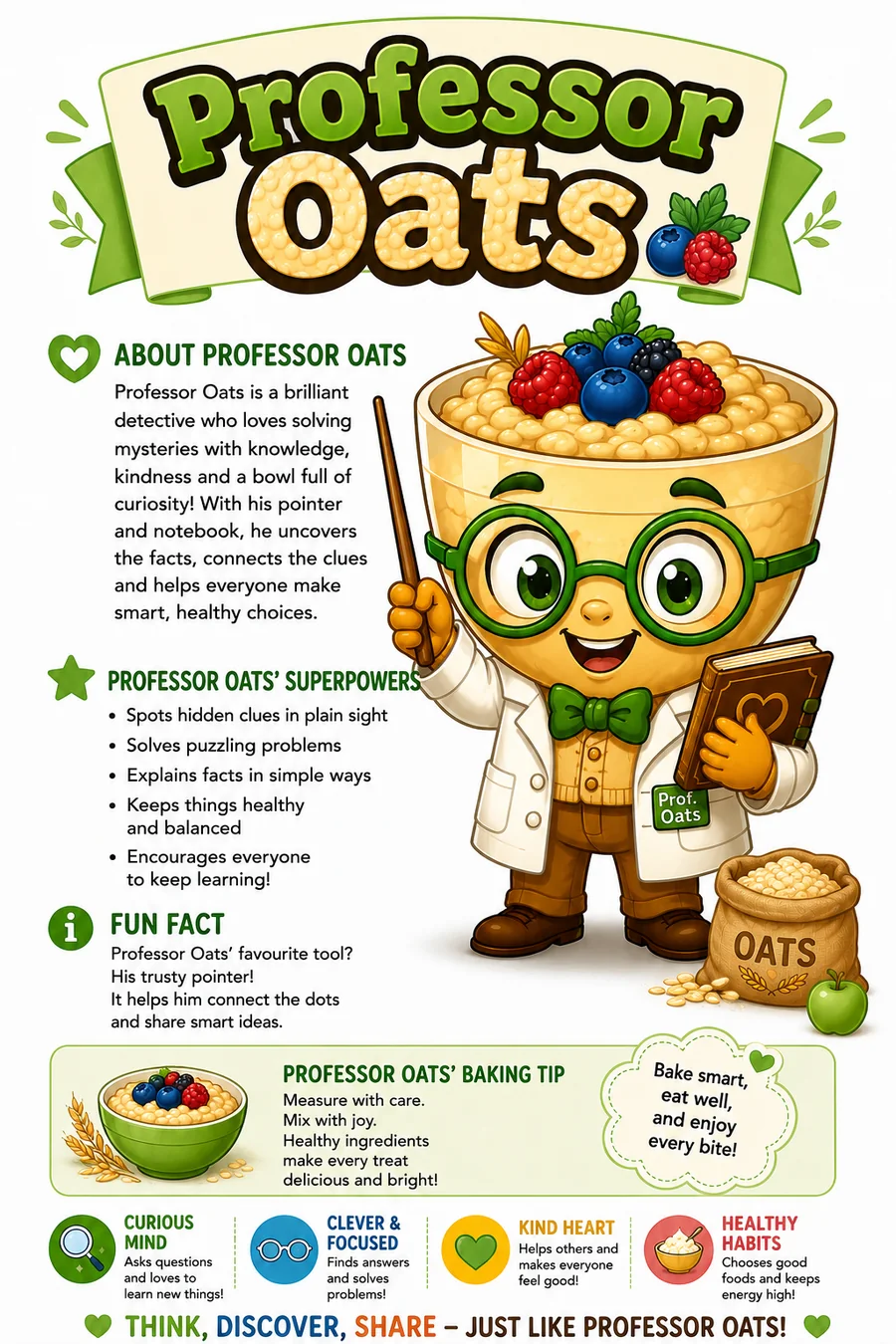
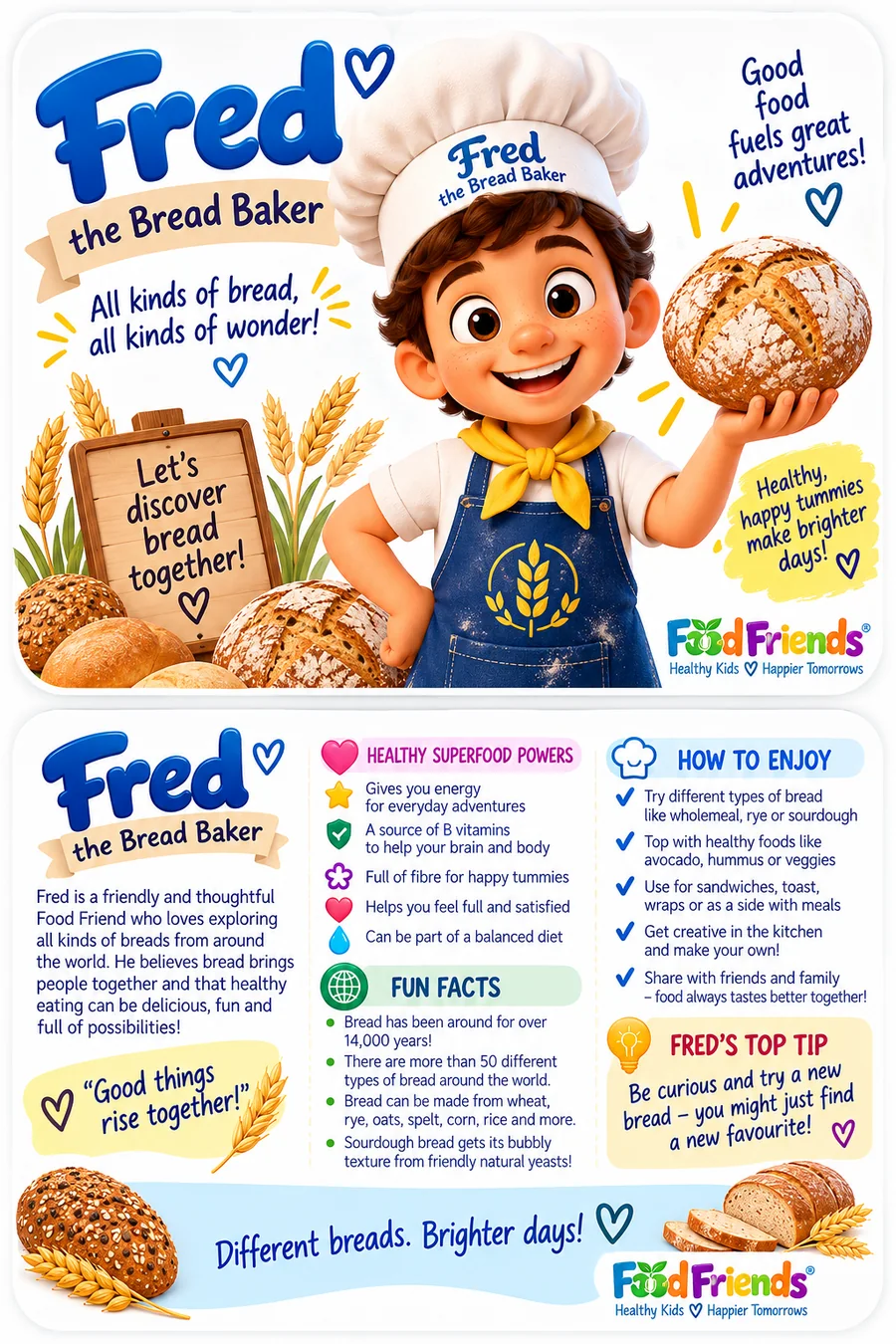
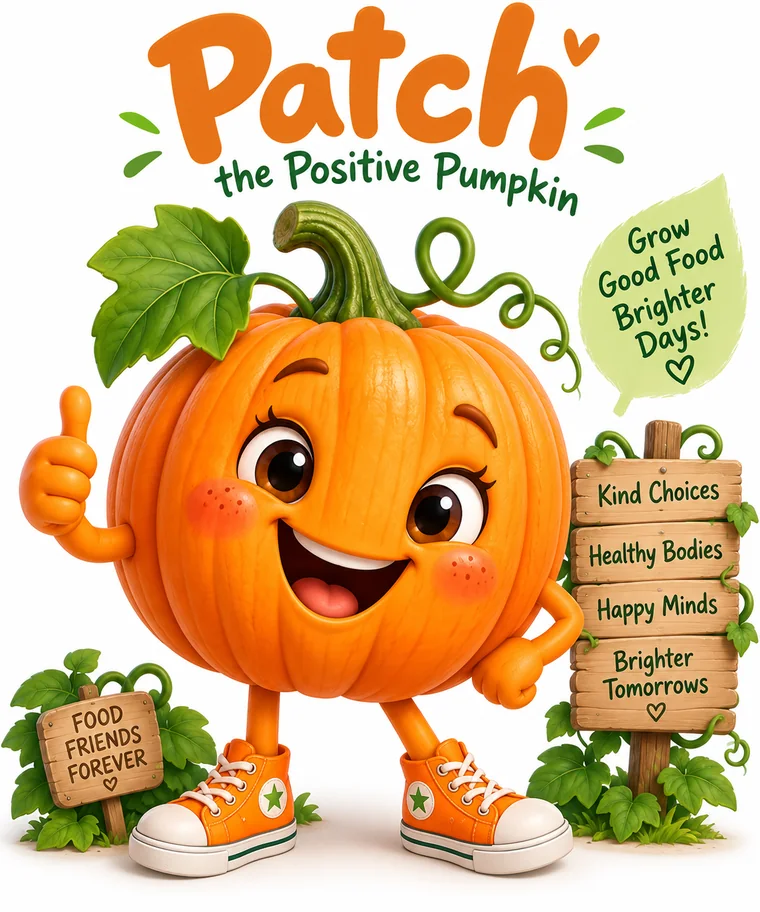
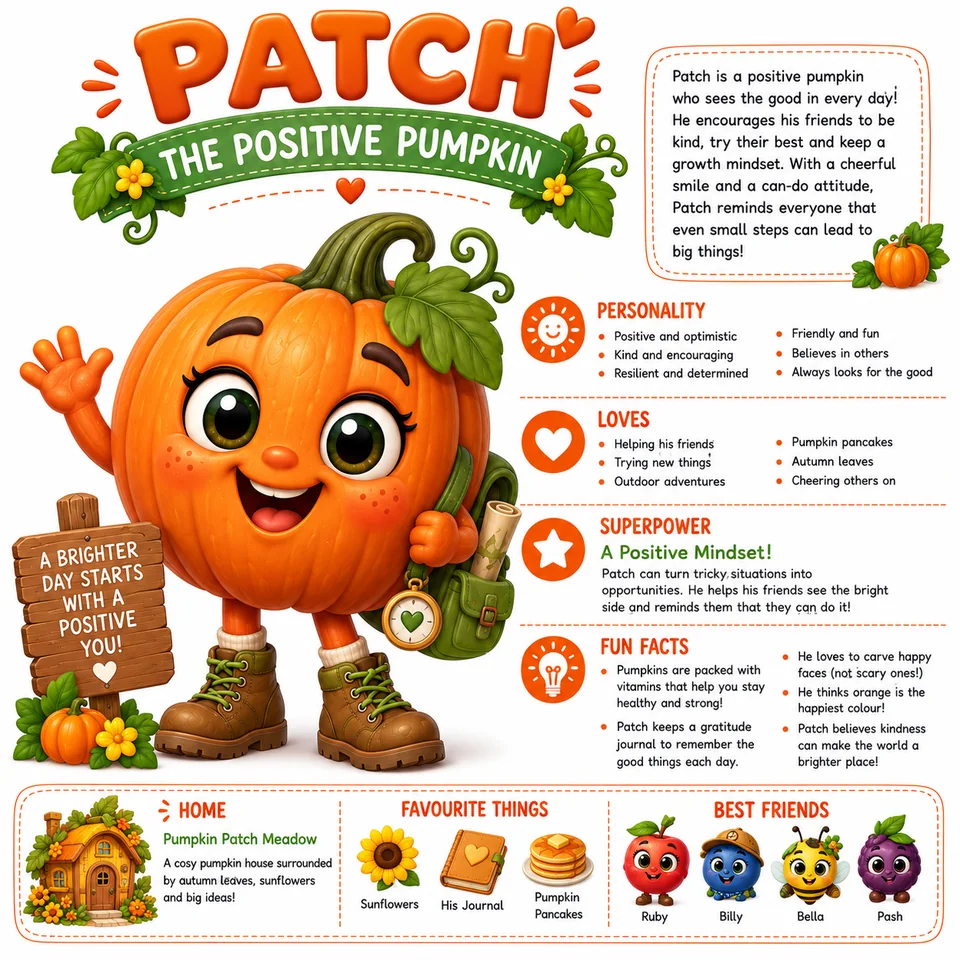
Welcome to the Food Friends Universe! 🌈🚀
Where healthy heroes, exciting adventures, and happy habits come together.
🔍 Tap image to enlarge
🔍 Tap image to enlarge
🔍 Tap image to enlarge
🌱
Little Seedlings
Grow herbs, veggies & flowers at home — wherever you live.
Characters
Meet Your Food Friends
Tap any friend to flip their card and discover their mood superpower. Find your match, then download their character card to keep!
🌟 Tap any Food Friend card to flip and discover their story, food powers, fun facts and more!
🔍 Tap image to enlarge
🔍 Tap image to enlarge
🔍 Tap image to enlarge
🔍 Tap image to enlarge
🔍 Tap image to enlarge
🔍 Tap image to enlarge
🔍 Tap image to enlarge
🔍 Tap image to enlarge
🔍 Tap image to enlarge
🔍 Tap image to enlarge
🔍 Tap image to enlarge
🔍 Tap image to enlarge
🔍 Tap image to enlarge
🔍 Tap image to enlarge
🔍 Tap image to enlarge
🔍 Tap image to enlarge
🔍 Tap image to enlarge
🔍 Tap image to enlarge
🔍 Tap image to enlarge
🔍 Tap image to enlarge
🔍 Tap image to enlarge
🔍 Tap image to enlarge
🔍 Tap image to enlarge
🔍 Tap image to enlarge
🔍 Tap image to enlarge
🔍 Tap image to enlarge
🔍 Tap image to enlarge
🔍 Tap image to enlarge
🔍 Tap image to enlarge
🔍 Tap image to enlarge
🔍 Tap image to enlarge
🔍 Tap image to enlarge
🔍 Interactive Feature
Little Chef Food Explorer 🍃
Search any ingredient and discover its story, science and a fun little chef challenge your child can do right now.
🔍
Try asking…
💬 What can I make with chickpeas?
🌟 All
🍓 Fruits
🥦 Vegetables
🌿 Herbs
🌶️ Spices
🥩 Proteins
🐟 Seafood
🧀 Dairy
🌾 Grains
🍝 Pasta
🥜 Nuts & Seeds
🧁 Baking
🫙 Sauces
🌍 International Foods
🍿 Snacks
🌅 Breakfast Foods
🥤 Drinks
🫙 Pantry Staples
💚 Mood Foods
🍂 Seasonal Foods
💛 Budget Foods
🧺 Lunchbox Foods
🌈 Rainbow Foods
🤚 Texture Explorer
💚 Sensory Friendly
🌱
We haven't added that ingredient yet!
Try banana, broccoli, carrot, rice, salmon, avocado, oats or yoghurt — or pick a category above.
🍌
FRUIT
Banana
📋 Quick Snapshot
🌍 Where It Comes From
👨🍳 Little Chef Mission
🔬 Kitchen Science
👅 Sensory Profile
😊 Mood Connection
🗺️ Where in the world does it grow?
🌴
Tropical
Warm & humid
🌾
Farms
Fields & pasture
🌊
Ocean
Rivers & seas
🍎
Orchards
Fruit trees
⛰️
Highlands
Cool & fertile
✨ Try This Next
Explore more ingredients that go well together:
🌟 Explorer Progress
Ingredients discovered0
Chef stars earned⭐ 0
Food passport stamps🌍 0
Progress to next badge
Next: Veggie Explorer 🥕
📷
Scan with Food Lens
Point your camera at any ingredient and Food Lens will identify it and open its Little Chef Explorer Card instantly.
🎙️
Ask with Voice Explorer
Just say an ingredient name and Voice Explorer opens its card and suggests a little chef challenge for right now.
🎨
Unlock this ingredient card
Save it, print it, colour it or add it to your Food Passport. Collect all 74 ingredients to complete your Little Chef Explorer set.
🌈 Rainbow Explorer
Sort foods by colour and discover why eating the rainbow matters!
Textures & Sensations
Explore Food by Feel
Choose how you want food to feel today and discover recipes that match.
🥜
Crunchy
Satisfying snap and bite — great for focus and grounding.
🥣
Smooth
Velvety and easy — gentle on overwhelmed days.
🍞
Crispy
Light crunch with warmth — comforting and familiar.
🥞
Soft
Pillowy and yielding — safe for sensitive days.
🍬
Chewy
Rhythmic and calming — supports sensory regulation.
🧊
Cold
Cooling and refreshing — helps reset on warm or anxious days.
☕
Warm
Soothing and grounding — perfect for calm mornings.
🍦
Creamy
Rich and smooth — emotionally satisfying and comforting.
🫓
Dry
Simple and predictable — no surprises, just reliability.
🥗
Mixed Texture
Varied experience — for adventurous or multi-sensory eating.
🥜
Foods that feel
Crunchy
Foods to try
Recipe ideas to match
Printables & Downloads
Take Your Friends Home
Download printable character cards, colouring sheets and the full Food Friends collection.
🎴
Full Character Card Set
All 12 friends as printable A6 cards with their powers and science facts
🖍️
Colouring Sheet Pack
12 illustrated outlines — one per character. Perfect for kids aged 3–12
📜
Food Friends Poster
A3 wall poster featuring the whole crew — great for kitchens and classrooms
⭐
Sticker Sheet
Print-at-home stickers for lunchboxes, journals and food passports
🎮
Matching Card Game
Print-and-play memory match game — food to mood benefit. 24 cards total
🌍
Food Passport
Earn a friend sticker for every new food tried. Builds adventurous eaters!
Downloads
Activities & Downloads
🎁 Free Downloads
🎨
Colouring Pages
Free printable colouring pages featuring Colin, Barry and Olive.
🗺️
Universe Map
Explore five mood worlds — Calm Cove, Energy Island, Focus Forest and more.
💌
Lunchbox Notes
Printable mood-boosting notes to pop in lunchboxes — one for every feeling.
🌍
Food Passport
Earn stickers for every new food you try.
⭐
Reward Charts
Printable weekly reward charts to celebrate healthy habits and good choices.
🌤️
Mood Check-in Sheets
Simple daily sheets to help kids name, explore and understand how they feel.
🚀New · Free Activity
Mood Missions
Go on a mood adventure! Complete fun daily challenges — from Rainbow Plate Quests to Calm Breath Trails — and earn badges for every mission you finish. Perfect for kids aged 4–12.
✅ Instant PDF download · ✅ Unlimited home printing · ✅ No subscription needed
Page Preview
Preview
Like what you see? Get the full pack instantly.
Cover Page
🥕
Colin Colouring Pack
Volume 1 · 12 Pages
Colouring Page
🎨
Colin's Big Adventure
Ready to colour in!
Activity Page
🌿
Spot the Veggies
Fun activity included
Sticker Page
⭐
Reward Stickers
50+ stickers to earn
Completed Example
✅
See a Finished Page
Filled with bright colours!
Colouring Pages
Colin Colouring Pack Vol.1
12 beautifully illustrated colouring pages featuring Colin the Carrot and his food friends. Perfect for kids aged 3–10 — just print and play!
$4.95Instant PDF Download
What's Included
✓12 printable colouring pages
✓Characters: Colin, Barry & Olive
✓Suitable for ages 3–10
✓Instant PDF download
✓Unlimited home printing
What Kids Will Do
Hours of creative fun with every page
🖍️
Colour favourite food characters
🔍
Solve veggie spotting puzzles
⭐
Collect sticker rewards
🎭
Act out food stories
Meet the Characters
Your child's new food friends
🥕
Colin
The Carrot · Brave explorer
🥦
Barry
The Broccoli · Gentle giant
🫒
Olive
The Olive · Wise friend
🍋
Zesty
The Lemon · Full of energy
How Families Use This
Simple, fun, and done in minutes
🖨️
Print
Print at home or at a local shop
🖍️
Colour
Grab pencils and get colouring
⭐
Earn
Collect stickers for each page
🎉
Play
Use characters in food play
⚡ Instant Digital Download
Pay once, print as many times as you like. No subscription, no waiting — your PDF arrives immediately after purchase.
1
Purchase
2
Download PDF
3
Print & enjoy
Cover Page
🌍
My Food Passport
Food Explorer Edition
Passport Page
🗺️
My Food Map
Stamp a new food today!
Sticker Sheet
🏅
Food Achievement Stickers
50+ reward stickers
Activity Page
🥗
Try Something New!
Food adventure challenge
Completed Example
✅
Fully Stamped Page
Loads of new foods tried!
Food Passport & Stickers
Food Passport & Sticker Book
Help your child discover new foods with this interactive passport. Earn a sticker for every new food tried — turns picky eating into a fun adventure!
$6.95Instant PDF Download
What's Included
✓20-page interactive passport
✓50+ food reward stickers
✓Food adventure challenges
✓New food tracker pages
✓Instant PDF download
What Kids Will Do
Turn every meal into an exploration
🌍
Track food adventures
🏅
Collect passport stamps
🥦
Try new foods each week
📖
Build a food memory book
Meet the Characters
Your child's food explorer squad
🌍
Marco
The Explorer · World traveller
🥕
Colin
The Carrot · Brave guide
🫐
Benny
The Blueberry · Adventure seeker
🍓
Stella
The Strawberry · Sweet helper
How Families Use This
A new food ritual the whole family loves
🖨️
Print
Print the passport pages
🥗
Try
Try one new food this week
🏅
Stamp
Earn your food sticker
🎉
Celebrate
Share the achievement!
⚡ Instant Digital Download
Pay once, print as many times as you like. No subscription, no waiting — your PDF arrives immediately after purchase.
1
Purchase
2
Download PDF
3
Print & explore
Cover Page
🎁
Kids Activity Bundle
50 pages · Best value!
Colouring Page
🖍️
Bundle Colouring Pack
All characters inside
Meal Planner
📅
Weekly Meal Planner
Plan every day with moods
Passport
🌍
Food Passport Included
50+ stickers too!
Puzzle Page
🧩
Food Puzzle Fun
Games and activities
Bundle Pack · Best Value
Kids Activity Bundle
The ultimate Mood Meals kids pack — colouring, puzzles, meal planning and a food passport all in one mega bundle. Everything your family needs!
$14.95Save $5
What's Included
✓50 pages of activities
✓Full colouring & puzzle pack
✓Kids Mood Meal Planner
✓Food Passport & Stickers
✓Instant PDF download
What Kids Will Do
A full world of food fun in one pack
🖍️
Colour all the characters
📅
Plan meals with mood icons
🌍
Track food adventures
🧩
Solve food puzzles
Meet the Characters
The full Mood Meals crew — all in one bundle
🥕
Colin
The Carrot
🥦
Barry
The Broccoli
🌍
Marco
The Explorer
🍓
Stella
The Strawberry
How Families Use This
One bundle, endless family fun
🖨️
Print
Print the whole bundle at once
📅
Plan
Fill in the weekly planner
🖍️
Colour
Colour and play every day
🌍
Explore
Track new food adventures
⚡ Instant Digital Download
Pay once, print as many times as you like. No subscription, no waiting — your PDF arrives immediately after purchase.
1
Purchase
2
Download PDF
3
Print & enjoy all 50 pages
Cover Page
📅
Kids Mood Meal Planner
Plan · Eat · Feel Amazing
Weekly Planner
🗓️
My Week of Meals
7 days of food fun
Mood Icons
😊
How Do You Feel Today?
Match meals to moods
Activity Page
🥗
Build Your Dream Plate
Creative meal design
Completed Example
✅
A Filled-In Week
Looks amazing when done!
Kids Meal Planner
Kids Mood Meal Planner
A fun, illustrated weekly meal planner designed for kids. Helps build healthy routines and gets children excited about choosing what's on the menu each day!
$7.95Instant PDF Download
What's Included
✓8 printable planner pages
✓Mood-based meal categories
✓Mood Meals characters throughout
✓Instant PDF download
✓Unlimited home printing
What Kids Will Do
Make mealtimes something to look forward to
😊
Pick meals with mood icons
📅
Plan the whole week's meals
🥗
Design their dream plate
⭐
Tick off each tasty meal
Meet the Characters
Your child's meal planning helpers
📅
Mia
The Planner · Super organised
🥕
Colin
The Carrot · Lunchbox hero
🥦
Barry
The Broccoli · Dinner champion
😊
Happy
The Mood · Feeling great!
How Families Use This
A simple ritual that builds lasting habits
🖨️
Print
Print a fresh page each week
📅
Plan
Plan meals with your child
🥗
Cook
Make meals together with joy
🎉
Play
Celebrate every finished meal
⚡ Instant Digital Download
Pay once, print as many times as you like. No subscription, no waiting — your PDF arrives immediately after purchase.
1
Purchase
2
Download PDF
3
Print & plan together
🧠 Cognitive Cooking · Family Learning
Cook, Think, Grow.
"The kitchen is more than a place to eat — it's where brains grow stronger."
Preparing food activates memory, focus, coordination and creativity. From little learners to ageing minds, cooking strengthens cognitive function through meaningful everyday activities.
🌿💛✨🌸
🍎🫐🥕🍋🥦
🌿 Habitually U · Kids Club
Kids Club Shop
Storybooks, party packs, printables and Food Friends goodies designed to make food feel fun, colourful and familiar.
Food Friends Goodies
Featured products
Curated picks from the Kids Club collection — books to read, packs to print and friends to keep.
Members only
Subscriber downloads
Fresh printables land here every month for Kids Club members — colour, play and stick them on the fridge.
🔒 These unlock with a Kids Club membership.
🎁
Join Kids Club to unlock monthly downloads
One little membership, a year of stories, printables and Food Friends adventures — new goodies every month.
☀️
Little Seedlings 🌱
“Grow something good, wherever you live.”
Welcome to Little Seedlings, where kids learn how to grow herbs, veggies, fruit, and flowers at home — from sunny windowsills to backyard veggie patches.
Ways to grow
Find your growing adventure
However you live, there’s a way to grow something good. Pick where you’d like to begin.
🪴
Apartment Garden
Grow herbs, microgreens, strawberries, lettuce, and tiny tomatoes in pots, jars, balconies, and windowsills.
🥕
Backyard Patch
Plant carrots, peas, potatoes, pumpkins, sunflowers, and veggie seedlings in garden beds or pots.
🧪
Kitchen Scrap Garden
Regrow spring onions, celery, lettuce ends, carrot tops, and herbs from kitchen scraps.
🍕
Seed-to-Plate Challenges
Grow something, then cook with it! Try basil mini pizzas, pea shoot wraps, or herby pasta.
🔒 Members Only
📔
Little Seedlings Journal
Kids can track what they planted, when they watered it, and draw or upload progress pictures.
🔒 Members Only
🎯
Monthly Grow Quest
A new growing mission each month, such as plant a herb jar, grow pea shoots, or make a bee-friendly pot.
Where will you grow?
Choose Your Growing Space
Tap a spot to see what grows best there.
🪟
Sunny Windowsill
Herbs, microgreens & sprouts
🪴
Balcony Pots
Strawberries, lettuce & tomatoes
🍽️
Kitchen Bench
Scraps, sprouts & herbs
🌳
Backyard Garden
Carrots, pumpkins & sunflowers
Meet your growing buddies
Food Friend Growing Guides
Your Food Friends will show you exactly what to do, step by step.
🌿
Herbie’s Herb Pots
Basil, mint, parsley & chives
Easy⏱️ 2–3 weeks
🫛
Pete’s Pea Shoots
Crunchy, sweet pea shoots
Easy⏱️ 1–2 weeks
🔒 Members Only
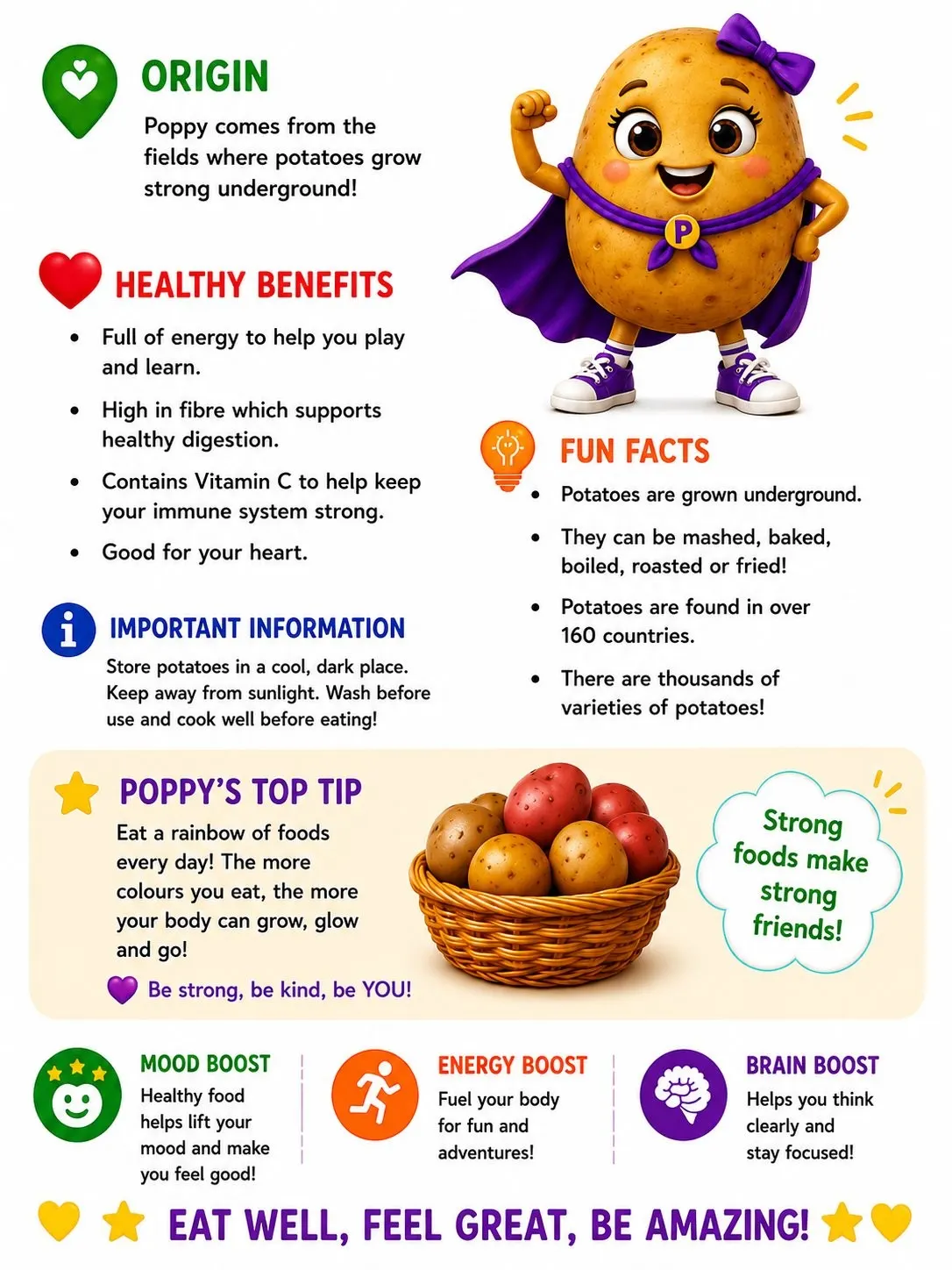
🥔
Poppy’s Potato Power Pot
Potatoes in a big pot or bag
Medium⏱️ 10–14 weeks
🔒 Members Only
🌻
Bella’s Bee-Friendly Flowers
Sunflowers, marigolds & lavender
Medium⏱️ 8–12 weeks
🌱
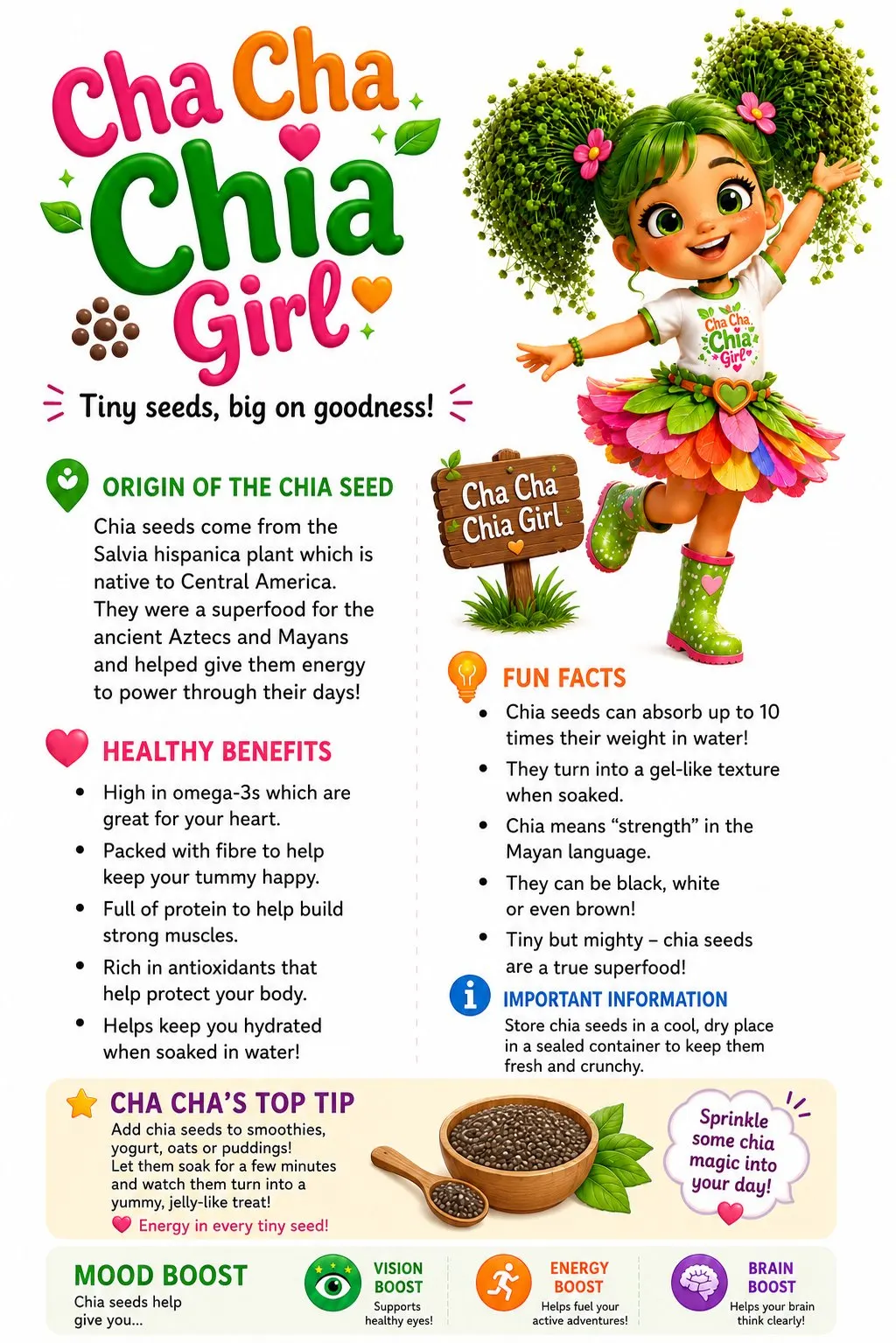
Cha Cha’s Chia Sprouts
Chia & cress sprouts in a jar
Easy⏱️ 3–7 days
Print & grow
Downloadable Grow Cards
Handy little cards you can print out and stick on the fridge.
🌿
Basil Grow Card
🪴
Best space: Windowsill or balcony pot
☀️
Sunlight: 5–6 hours of sun
💧
Watering: Water when the soil feels dry
⏳
Time: 2–3 weeks to first leaves
🫛
Pea Shoot Grow Card
🪴
Best space: Sunny bench or windowsill
☀️
Sunlight: 4–5 hours of light
💧
Watering: Keep the soil lightly damp
⏳
Time: 1–2 weeks to harvest
🧅
Spring Onion Regrow Card
🪴
Best space: A jar of water on the bench
☀️
Sunlight: A bright spot indoors
💧
Watering: Change the water every 2 days
⏳
Time: Regrows in 5–7 days
🔒 Members Only
🍓
Strawberry Pot Card
🪴
Best space: Balcony or sunny windowsill
☀️
Sunlight: 6+ hours of sun
💧
Watering: Water every 1–2 days
⏳
Time: Fruit in 8–12 weeks
🔒 Members Only
🌻
Sunflower Grow Card
🪴
Best space: Backyard garden or big pot
☀️
Sunlight: Lots of full sun
💧
Watering: Water deeply 2–3× a week
⏳
Time: Flowers in 8–12 weeks
Little Seedlings
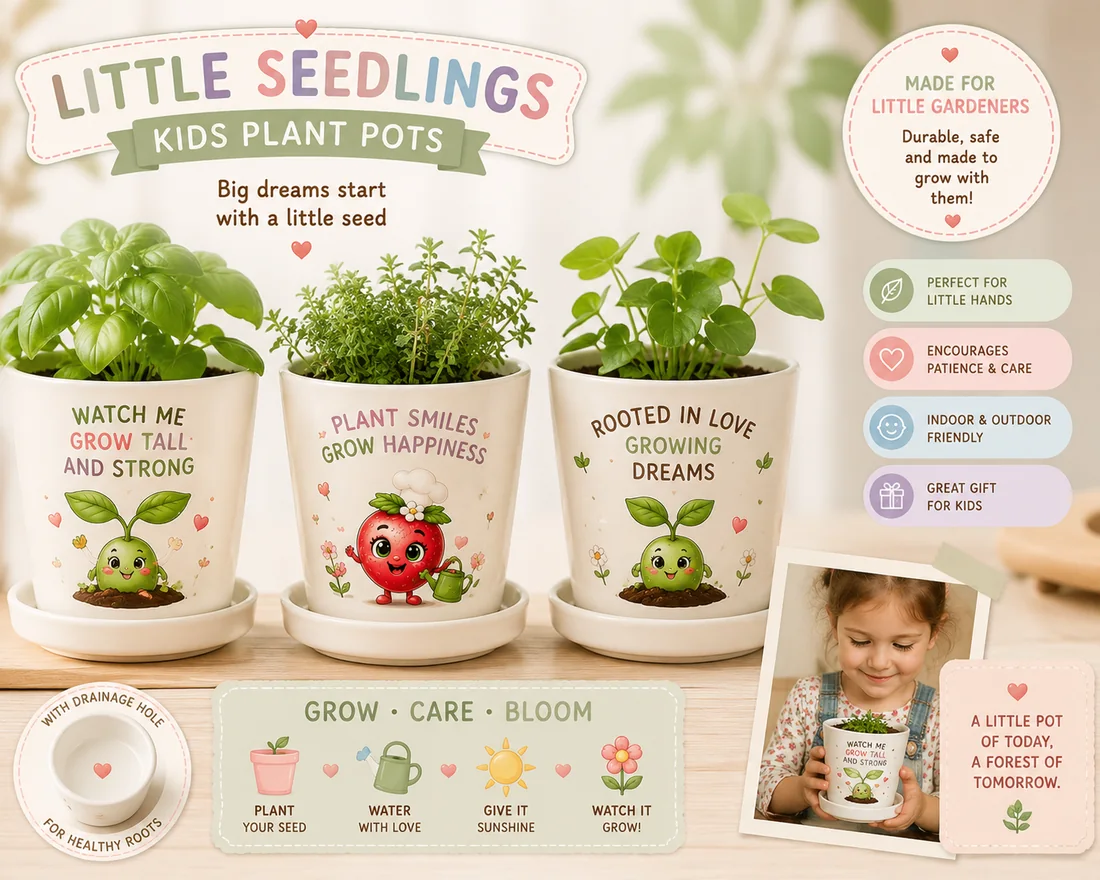
Kids Plant Pots
Big dreams start with a little seed.
Sturdy little pots with a drainage hole and a saucer, sized for small hands. Plant a seed, water it, give it sunshine and watch it grow.
Made for little hands
Drainage hole and saucer for healthy roots
Indoor and outdoor friendly
Encourages patience and care
These are not on sale yet. Habitually U has no shop or checkout built, so there is no price and nothing can be ordered. This registers your interest on this device only — no payment, no account, nothing sent anywhere.
Our Little Seedlings promise 🌱
🧑🌾 Always grow with a grown-up
🧼 Wash hands after gardening
👀 Ask before tasting anything from the garden
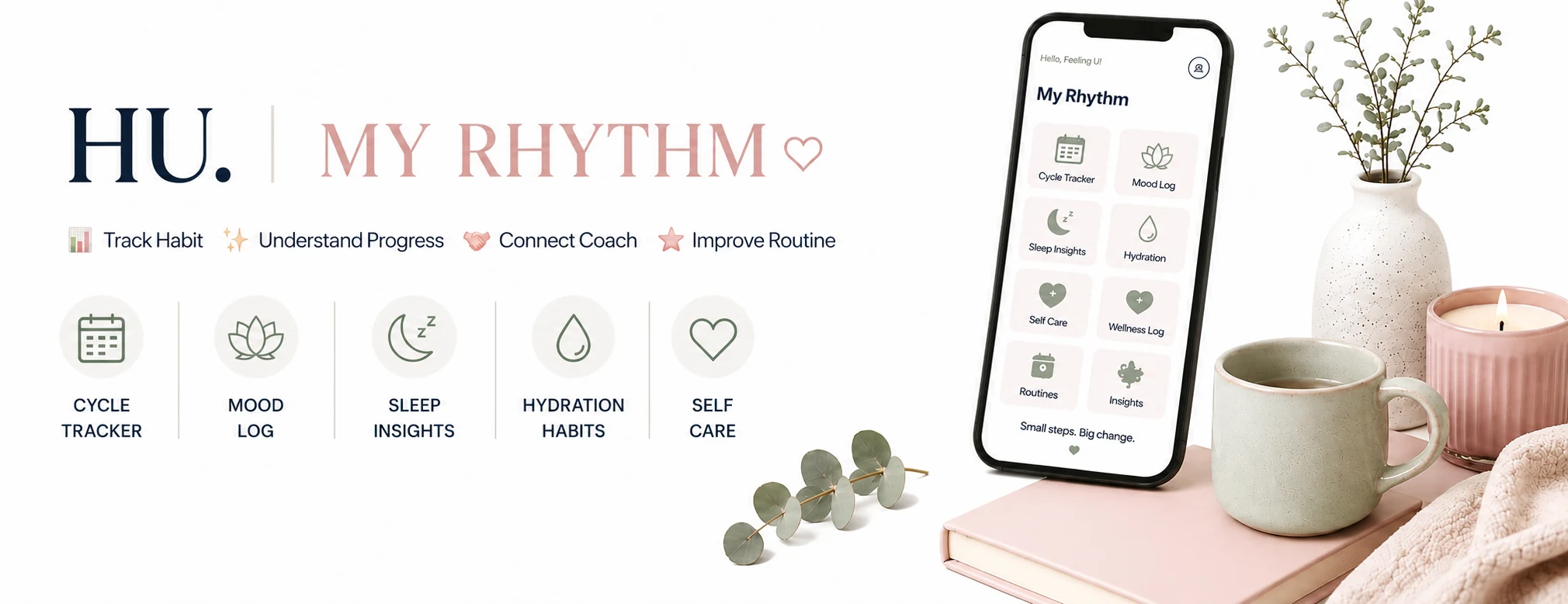
What is My Rhythm?
Routines that bend with your day, not against it
My Rhythm helps you create flexible food and lifestyle routines that suit your actual day-to-day life. Not a strict schedule — a rhythm you can lean on when things are busy and return to when they settle.
🌊
Rhythm preview
Six rhythms to make life feel lighter
Preview each rhythm here. Building and tracking your own comes with membership.
Example rhythms
See how a rhythm comes together
Real-life shapes for real-life weeks. Use one as a starting point when you join.
Welcome to the Food Friends Universe
A whole world to explore, free to wander
Kids Club is where children can explore food through stories, characters, activities, growing projects and playful learning. Look around as much as you like — the interactive adventures open up with membership.
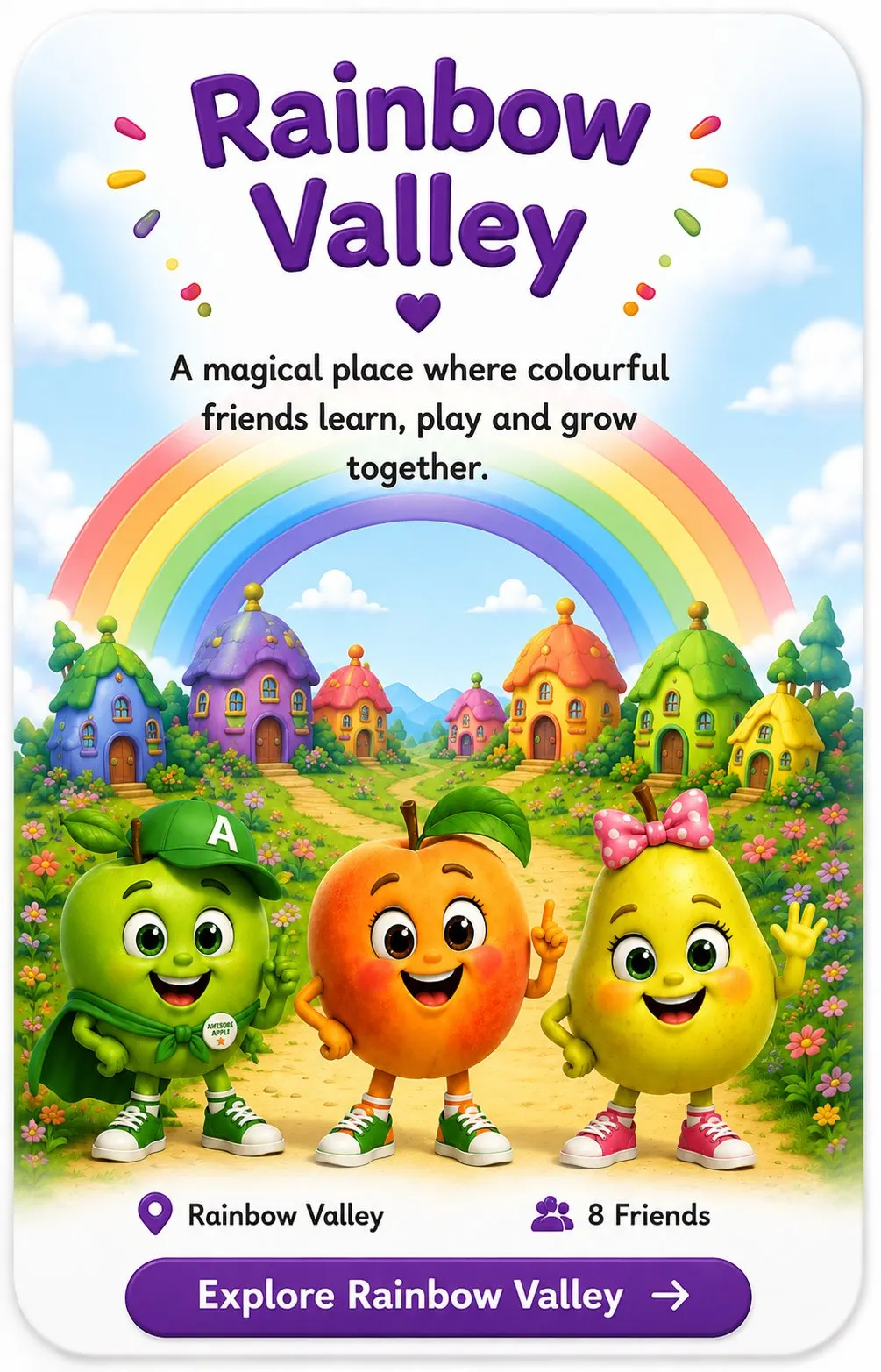
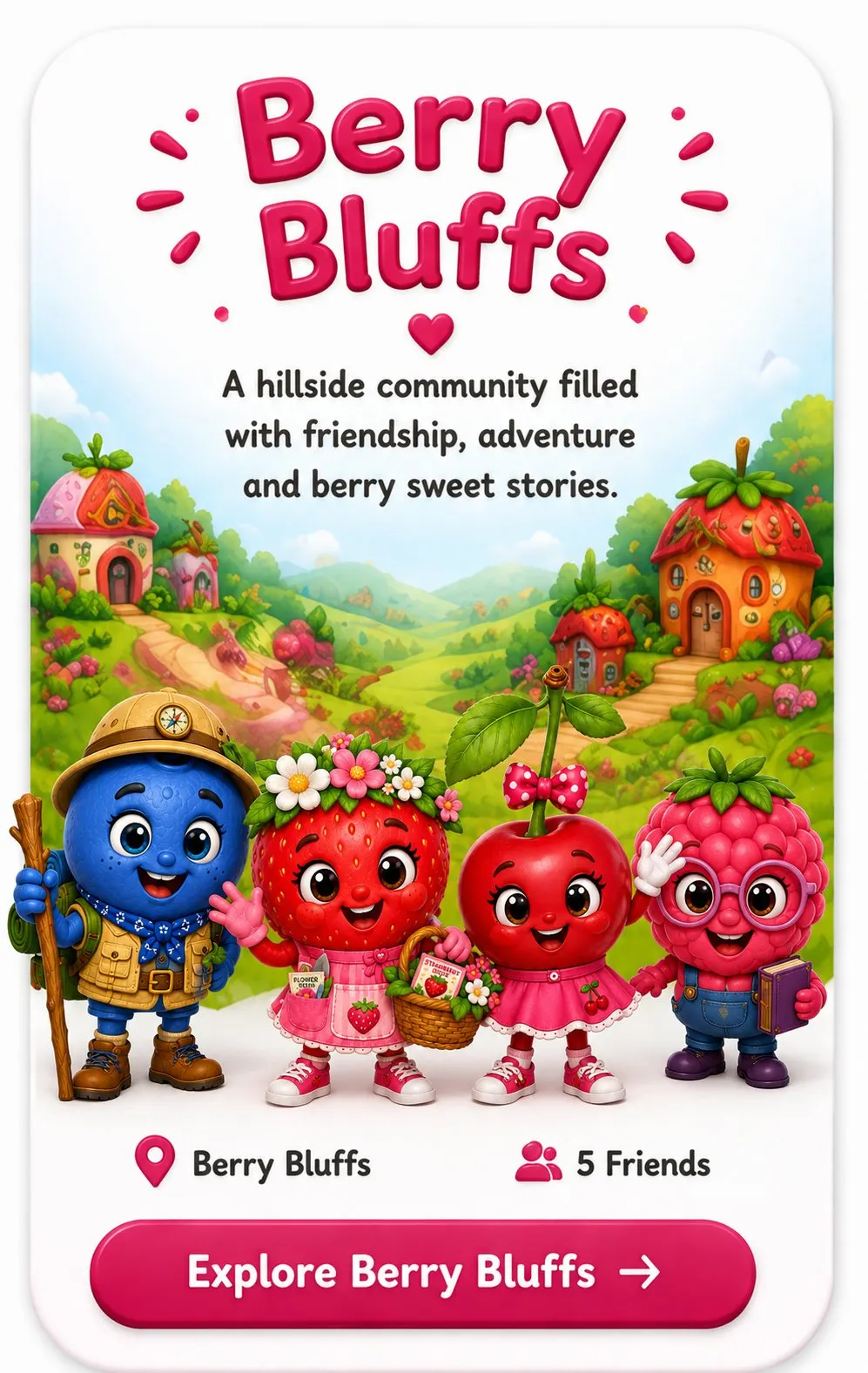
Townships
Eight little worlds to discover
Every township is free to explore. Tap one to take a peek inside.
Meet the Food Friends
Say hello to the crew
A few friendly faces to meet right now — the full cast lives inside Kids Club.
Members' corner
What opens up inside Kids Club
A preview of the member adventures — unlock them all with a membership.
Free storybook preview
Read the first few pages free
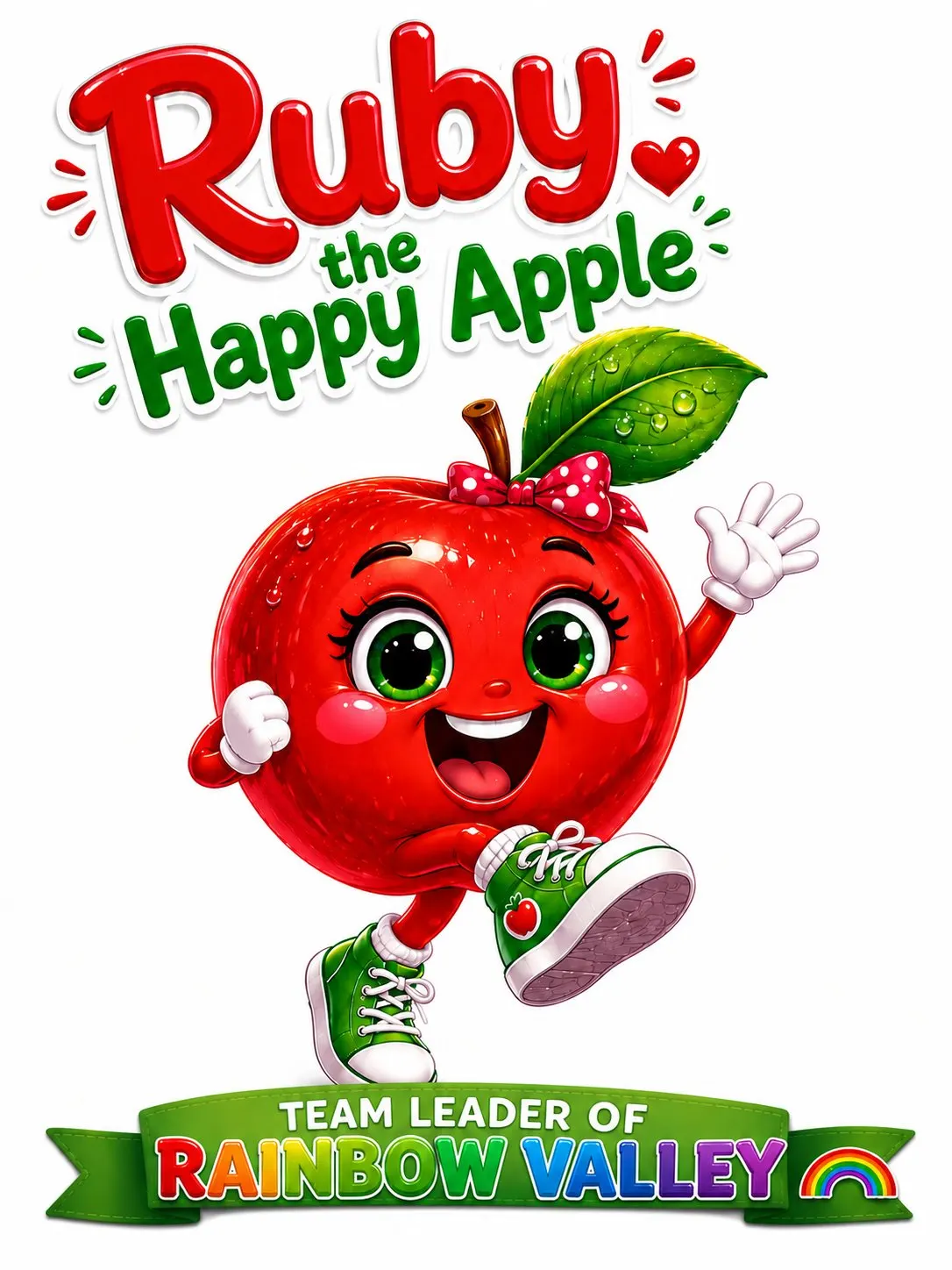
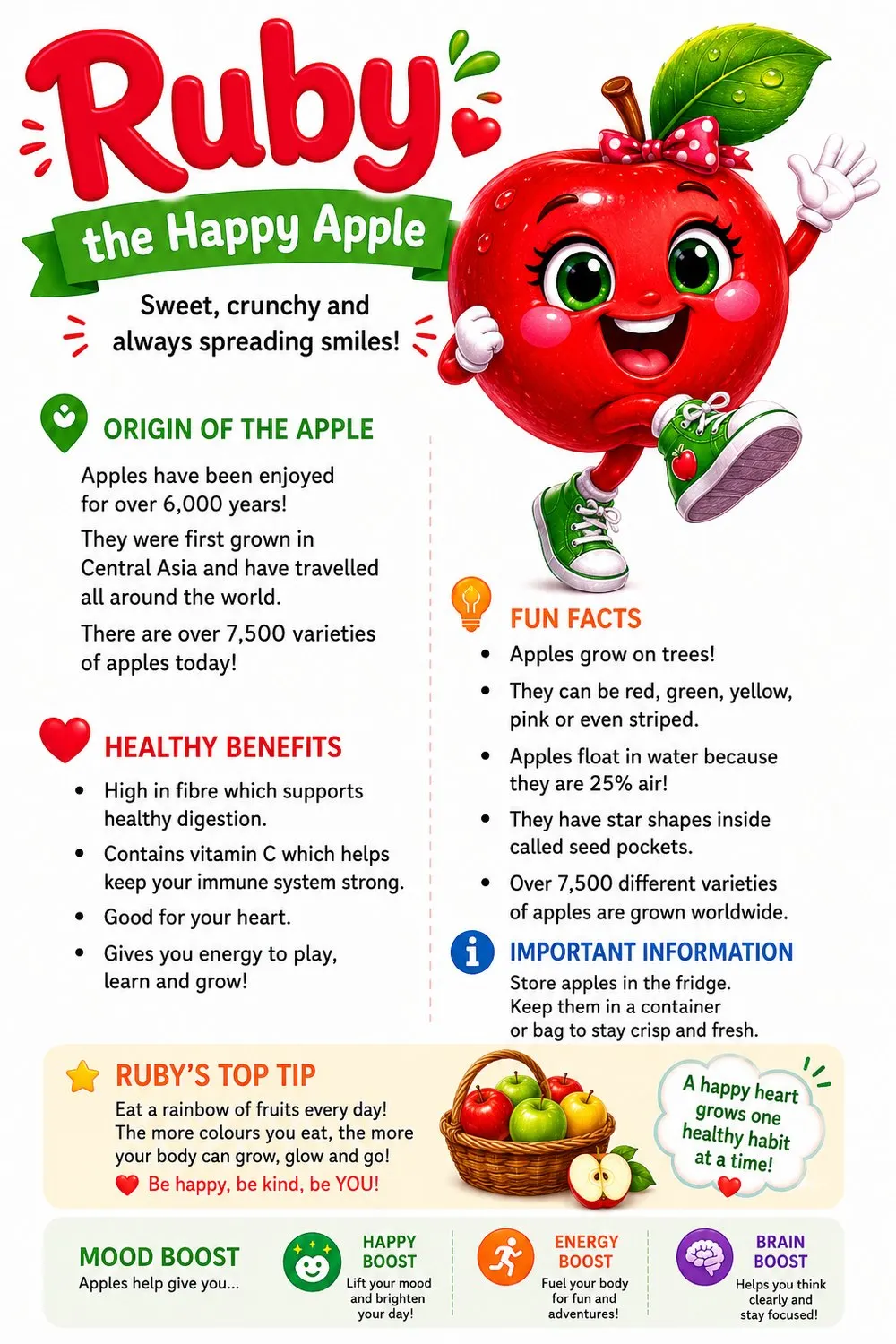
🍎🌈Ruby's Rainbow Picnic
Ruby's Rainbow Picnic
Join Ruby the Apple as she packs a picnic full of colour and invites every Food Friend along. Read the first few pages free — members can unlock the full storybook library.
Fuel Crisis Food Survival Guides
10 Meals Under $15 for Families
Wholesome dinners that stretch your budget — without sacrificing warmth, flavour, or family connection.
When the budget is tight, the kitchen can feel like the enemy. These 10 meals are built around cheap, mood-supporting staples — lentils, eggs, oats, frozen veg, canned tomatoes — and every one of them costs under $15 to feed a family of four. Strategy, not shame.
🍳
Egg Fried Rice
~$4.50 · 20 min
Day-old rice, 4 eggs, frozen peas, soy sauce, sesame oil. Feeds 4 and cleans out the fridge. Rich in choline for focus and brain repair.
Mood benefit: Focus · Energy
🫘
Red Lentil Dahl
~$3.80 · 25 min
Red lentils, canned tomatoes, onion, garlic, cumin, turmeric. Serve with rice or flatbread. Lentils are one of the highest folate foods — key for calm.
Mood benefit: Calm · Sustained Energy
🥣
Oat & Banana Bake
~$2.90 · 30 min
Rolled oats, ripe bananas, milk, egg, cinnamon. Bake in a dish and slice. Works as a hearty breakfast-for-dinner. Kids love it and it stabilises blood sugar all evening.
Mood benefit: Calm · Sleep
🍝
Tuna Pasta Bake
~$6.20 · 35 min
Pasta, canned tuna, frozen corn, cream of mushroom soup, cheese on top. Bake until golden. Tuna delivers omega-3s that directly support mood regulation and reduce inflammation.
Mood benefit: Focus · Anti-anxiety
🥔
Loaded Jacket Potatoes
~$5.10 · 45 min
Baked potatoes stuffed with baked beans, cheese and sour cream. Filling, comforting, and surprisingly nutritious. Resistant starch in potatoes feeds gut bacteria linked to serotonin production.
Mood benefit: Gut health · Comfort
🍲
Chicken & Veg Soup
~$7.80 · 40 min
Chicken thighs, frozen mixed veg, noodles, stock. Simmer until tender. Chicken is high in tryptophan — the amino acid your body converts to serotonin. Classic comfort science.
Mood benefit: Serotonin · Warmth
🫔
Bean & Cheese Quesadillas
~$4.20 · 15 min
Flour tortillas, canned black beans, shredded cheese, salsa. Fry until crispy. Beans are a slow-burning carb that keeps blood sugar stable — and moods even — for hours.
Mood benefit: Stable mood · Energy
🥬
Spinach & Ricotta Pasta
~$6.50 · 20 min
Penne, ricotta, frozen spinach, garlic, lemon zest, parmesan. Stir through pasta and serve. Spinach is one of the highest magnesium foods — essential for reducing anxiety and improving sleep.
Mood benefit: Calm · Anti-anxiety
🍛
Chickpea Curry
~$4.00 · 25 min
Canned chickpeas, canned tomatoes, coconut milk, curry powder, garlic. Serve with rice. Chickpeas are incredibly high in B6 — a critical cofactor for serotonin and dopamine synthesis.
Mood benefit: Serotonin · Dopamine
🥚
Veggie Frittata
~$5.60 · 25 min
6 eggs, any leftover veg (zucchini, capsicum, potato), cheese. Bake or stovetop finish. Eggs are the most complete mood food — choline, B12, selenium, and all essential amino acids in one.
Mood benefit: Focus · Resilience
Want the Comfort Foods guide too?
Warmth and fullness at the best price — read it next.
Gentle reads
The Habitually U Blog
Gentle reads on food habits, family eating, sensory experiences, emotions, routines and everyday food life.
Fuel Crisis Food Survival Guides
Comfort Foods on a Budget
Warmth and fullness at the best price — because feeling fed is not a luxury, it's a right.
Comfort food gets a bad reputation — but real comfort food is about warmth, satiety, and the feeling of being cared for. These recipes are built on that premise, using the cheapest mood-nourishing ingredients available to deliver maximum emotional and physical satisfaction per dollar.
🍜
Golden Miso Noodle Soup
~$5.20 · 15 min
Ramen noodles, miso paste, soft-boiled egg, frozen corn, spring onion. Ready in 15 minutes. Miso is a fermented food full of probiotics that support the gut-brain axis and reduce anxiety naturally.
Mood benefit: Gut health · Calm
🧀
Mac & Cheese from Scratch
~$4.80 · 25 min
Macaroni, butter, flour, milk, cheddar cheese, mustard powder. Thick, creamy, from-scratch — better than the box and costs the same. Dairy provides tryptophan for serotonin production.
Mood benefit: Serotonin · Comfort
🍲
Slow Tomato Bean Stew
~$3.90 · 30 min
Cannellini beans, crushed tomatoes, rosemary, garlic, olive oil. Thick, fragrant, warming. Lycopene in tomatoes is an antioxidant strongly linked to reduced depression symptoms in population studies.
Mood benefit: Anti-depression · Warmth
🥧
Rice Pudding
~$2.50 · 35 min
Arborio rice, full cream milk, sugar, vanilla, cinnamon. Slow-cooked until creamy. One of the most deeply comforting dishes in the world — warm carbohydrates elevate serotonin within 30 minutes.
Mood benefit: Serotonin · Sleep
🍠
Sweet Potato & Lentil Soup
~$4.30 · 30 min
Sweet potato, red lentils, coconut milk, ginger, cumin. Blend until silky. Sweet potato is exceptionally high in beta-carotene and B6 — both proven to reduce anxiety and support emotional regulation.
Mood benefit: Calm · Anti-anxiety
🥞
Banana Pancakes
~$3.20 · 20 min
2 ripe bananas, 2 eggs, splash of milk, pinch of cinnamon. Fry in butter. Naturally sweet, naturally nutritious — no sugar needed. Bananas contain dopamine precursors and B6 for mood balance.
Mood benefit: Dopamine · Energy
Want the full 10-meal budget guide?
10 meals under $15 — all with mood benefits explained.
Feel Good Food · Lower Cost
Nourishment shouldn't be a luxury.
Smart grocery strategies and budget tools that actually feel human.
💰
Cost-per-Calm™
Every recipe shows comfort, fullness, and family harmony per dollar.
🌱
Stretch Score™
Every ingredient scored on how many meals it unlocks. Buy once, eat all week.
🛒
Price Compare
Woolworths, Coles & Aldi in one tap.
Voice Intelligence
Food & Mood Voice Log
Tap the mic. Say what happened. Habitually turns everyday food moments into smart actions.
Tap to start recording
💬Your voice note will appear here…
Detected action
Recent voice logs
"Loved the cauliflower cheese — add to Wednesday planner."
Add to PlannerFamily Favourite
2m ago
"Fruit skewers didn't get touched. Don't make again."
Don't Make AgainKids Feedback
18m ago
"Katharine's roasties — upload her recipe to Recipe Hub."
Add to Recipe HubLoved
1h ago
"We're out of yoghurt and blueberries."
Add to Grocery List
3h ago
"Kids were tired but ate pasta well tonight."
Save Family FeedbackMood Note
Yesterday
Voice Meal Planner
Plan meals hands-free
Speak naturally to plan your week, update your grocery list and build your recipe hub — without touching your screen.
Speak to plan your week
e.g. "Add pasta bake to Monday dinner"
Try: "Plan soft foods for Wednesday because Oliver has a sore throat."
This week's plan
Mon
Pasta Bake
Carrot Soup
+ add
Tue
Tacos
+ add
Wed
Soft Fish
+ Mash
+ add
Thu
Chicken Rice
+ add
Fri
Tacos →
(moved)
+ add
Sat
Roast
Chicken
+ add
Sun
Pasta
+ add
Grocery list
6 items
Yoghurt
Blueberries
Wraps
Chicken thighs
Pasta
Cheddar
Recipe hub
Cauliflower Cheese
Katharine's Roasties
Pasta Bake
Budget Stir Fry
Soft Carrot Soup
Chicken & Rice
Smart suggestions
🥕Oliver has a sore throat — soft foods added to WednesdaySensory
🛒Use chicken before it expires — moved to Sunday roastPantry
💷3 budget dinners planned for this weekBudget
🚫Fruit skewers excluded from next week's suggestionsAvoided
🌿 Premium Feature
Why families love voice planning
1Capture food moments before you forget — at the dinner table, in the car, mid-cook
2Reduce food waste by surfacing pantry items and expiring ingredients automatically
3Build your recipe hub naturally — every great meal remembered, ready to repeat
4Plan around real family habits — tiredness, moods, sensory needs and busy weeks
5Support sensory needs and moods — flag what works for every family member
6Less typing, less mental load — planning happens in seconds, not sessions
Start your voice food journal today
Join families using Habitually to eat better, plan smarter and understand how food shapes how they feel.
Food & Mood Log
Scan, search or log your meal
Three ways to scan
Scan Your Meal
Photograph any meal and our AI identifies ingredients, nutrition, and mood impact.
Scan a Product
Scan grocery items to view nutrition, mood impact, and price comparisons across stores.
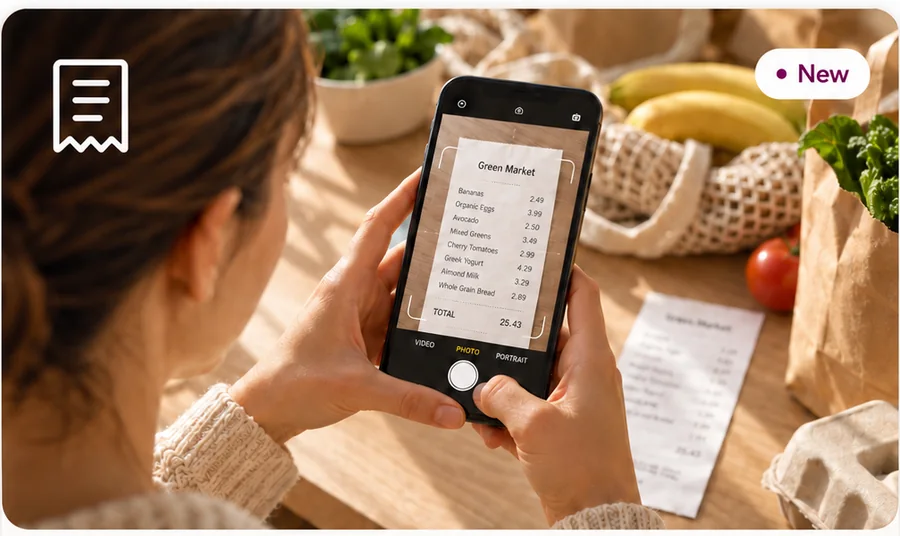
Scan Your Receipt
Photograph your grocery receipt and automatically add all items to your My Kitchen pantry.
Build Your Food Intelligence
Every scan improves your personal food profile. Track how different foods influence energy, mood, and wellbeing.
Meal Insights
Mood Tracking
Smart Pantry
Open My Kitchen
Your scans automatically update your pantry, meal planner, and mood dashboard.
Habitually U Shop
Explore the Collection
🎨
Kids Colouring Pack Vol.1
Digital · PDF
$4.95
🌍
Food Passport & Sticker Book
Digital · PDF
$6.95
📓
Mood Meals Family Journal
Digital · A4 PDF
$9.95
💚
Calm Pack Monthly
Subscription · Digital
$9.95/mo
01 · Plan the trip
Trip Planner
Pick the kind of trip you're taking and start with a ready-made plan. Every trip carries the same five things: plan, pack, budget, notes and memories.
02 · Pack it right
Smart Packing
Ready-made lists that adapt to your trip, plus the little trackers that stop the "did I pack…?" spiral before it starts.
Packing lists by trip type
Start from a ready-made list, then make it yours.
Clean & dirty laundry tracker
Know what's fresh and what's not, at a glance.
Toiletries checklist
The little things you always forget.
Medication reminders
Doses packed and timed, wherever you are.
Chargers & adapter list
Every cable and the right plug for the country.
Carry-on essentials
What you'll want within arm's reach.
Kids packing lists
Snacks, comforters and spare everything.
Pet travel checklist
Food, leads, papers and a favourite toy.
03 · Travel wiser
Travel Hints & Tips
Small habits from seasoned travellers that make every trip lighter and calmer.
1
Roll clothes to save space
More room, fewer creases.
2
Keep one outfit in your carry-on
For when your bag takes a detour.
3
Photograph your luggage before check-in
Makes a lost-bag claim far easier.
4
Download maps offline
Find your way with no signal, no roaming.
5
Keep medication in your carry-on
Never in the bag you might not see again.
6
Pack a reusable laundry bag
Keep dirty well away from clean.
7
Screenshot bookings and tickets
Everything you need, even offline.
8
Pin your accommodation location
Show any driver exactly where home is.
04 · Last check
Before You Go Checklist
The tick-them-off list for the day before you leave. Tap each one as it's sorted.
Ready to leave?
0 of 13 sorted
05 · On the road
Road Trip Companion
Everything that makes the drive part of the holiday, not just the bit in between.
Fuel stops
Top up before the tank gets nervous.
Rest stops
Stretch, swap drivers, reset.
Snack planner
Good fuel for everyone aboard.
Scenic detours
Worth the extra ten minutes.
Playlist ideas
Kilometres fly with the right soundtrack.
Emergency kit
Just in case, so it never becomes if only.
Car check reminder
Tyres, oil, water, lights — done.
Accommodation stops
Somewhere comfy at the end of each leg.
06 · Mood Places
Save the places you love
Add cafés, beaches, lookouts, restaurants, markets, wineries, walks and hidden gems straight into Mood Places so you can remember where you went, who you were with and whether you'd go back.
Place nameLittle Cove Kiosk
LocationNoosa Heads, QLD
Photo 1 photo added
Rating
Who I went withSam & the kids
Would I return?YesMaybeNo
NotesGo early — best table by the water.
Passports Visas Insurance Itineraries Tickets Emergency contacts Document copies
Stored securely, ready offline
07 · Life Map
Keep travel documents safe
Securely store passports, visas, insurance, itineraries, tickets, emergency contacts and copies of important documents inside Life Map — so the things you can't lose are always a tap away.
08 · Remember more
Travel Journal
Capture a trip while it's still fresh — the big moments and the small ones you'd otherwise forget.
Daily notes
A line or two from each day.
Voice memories
Speak it now, read it later.
Favourite photos
The keepers, kept together.
Funny moments
The stories you'll retell for years.
People met
Names, faces and where you crossed paths.
Foods tried
What to order again next time.
Souvenirs bought
What you brought home, and for whom.
“Remember this for next time”
Notes to your future travelling self.
09 · Hey U
A little nudge for the road
Hey U… take the scenic route.
Hey U… don't forget to be in the photo too.
Hey U… where will your next adventure take you?
Hey U… collect moments, not just souvenirs.
Hey U… pack light, live big.
Hey U… save this place for Future U.
10 · Travel Smarter
One clever bag, two jobs
Little products that solve a real travel headache. First up — the packing problem everyone knows.
Travel shop
Clean & Dirty — 2 Bags in 1
A double-layer drawstring bag that opens into two attached sections — one side for clean underwear and one side for dirty. As clean items run out, the bag becomes your dirty laundry bag, then closes back into one compact travel bag.
Clean side empties →→ becomes your dirty bag
Ready for your next adventure?
Plan it. Pack it. Live it. Remember it.
HabituallyU · The Habitual Traveller — travel smarter, pack lighter, remember more.
01 · My Garden
Your growing spaces, all in one place
Every plant, bed, pot and plot — indoors and out. Add a plant and Habitually U keeps track of watering, feeding, sunlight and what to do next.
Thriving
Basil “Pesto”
Kitchen windowsill · Herb
Water every 2 days · Full sun
Next: water tomorrow morning
Ready to harvest
Cherry Tomatoes
Back veg bed · Vegetable
Water daily · Full sun
Next: harvest ripe fruit today
Flowering
Lemon Tree “Sunny”
Courtyard pot · Fruit tree
Water weekly · Full sun
Next: feed with citrus food Sat
Needs attention
Monstera
Living room · Indoor plant
Water weekly · Bright, indirect
Next: move away from direct sun
Growing
Lavender
Front border · Flower
Water weekly · Full sun
Next: light prune after flowering
Growing
Strawberries
Balcony hanging basket
Water every 2 days · Full sun
Next: net against birds
02 · Today in My Garden
Today's little jobs
A calm, tickable list of what your garden needs today. Tap a job as it's done.
0 of 6 done
Water
Water basil
Kitchen windowsill · due this morning
Feed
Feed citrus tree
Courtyard pot · due today
Prune
Prune roses
Front border · due today
Harvest
Harvest tomatoes
Back veg bed · ripe now
Plant
Plant lettuce seeds
Raised bed · good week to sow
Move
Move indoor plant from direct sun
Living room · leaves scorching
Nothing needs your attention today. Take a moment to simply enjoy your garden.
03 · Seasonal Guide
What to do, right now, where you are
Confirm your location and season and the guide adjusts — no assumptions about hemisphere or climate. This example is set to a warm-temperate spring.
Plant now
Tomatoes, basil, beans, zucchini, lettuce, capsicum and sunflowers.
Harvest now
Silverbeet, snow peas, early strawberries, herbs and citrus.
Prune now
Spent winter growth, finished natives and leggy indoor plants.
Feed now
Citrus, leafy greens and anything setting flowers or fruit.
Seasonal prep
Top up mulch, refresh potting mix and set up watering before the heat.
Pests to watch
Aphids, caterpillars and snails love fresh spring growth.
04 · Garden Calendar
Plan the season, one tap at a time
Schedule planting, watering, feeding, pruning, harvesting and maintenance — with recurring reminders and colour-coded categories.
M
T
W
T
F
S
S
28
29
30
1
2
3
4
5
6
7
8
9
10
11
12
13
14
15
16
17
18
19
20
21
Water
Water the veg beds
Recurring · every 2 days
Feed
Liquid feed tomatoes & citrus
Recurring · fortnightly, Sat
Harvest
Pick strawberries & herbs
As ready · check twice weekly
Prune
Deadhead roses & lavender
Weekly · Sunday
Watering Feeding Pruning Harvest
05 · Plant Care Library
Simple care notes for every plant
Search the library or filter by type. Each guide covers light, water, soil, feeding, seasons, problems, pet safety and good companions.
Herb
Basil
Light: Full sunWater: Keep moistSoil: Rich, free-drainingFeed: FortnightlySow: Spring–summerPick: From 6 weeks
Pet-safe
Pinch tips often to keep it bushy. Loves tomatoes as a companion.
Vegetable
Cherry Tomato
Light: Full sunWater: Deep, regularSoil: Rich, mulchedFeed: Weekly when fruitingSow: After frostPick: When fully coloured
Leaves toxic to pets
Stake early and water at the base to avoid leaf disease.
Flower
Lavender
Light: Full sunWater: Low, once setSoil: Gritty, dryFeed: RarelyPlant: Spring/autumnPrune: After flowering
Light: Low–bright indirectWater: SparinglySoil: Cactus mixFeed: Twice a yearRepot: Every 2–3 yrsCare: Very easy
Mildly toxic to pets
Nearly unkillable — let it dry right out between drinks.
Fruit
Strawberry
Light: Full sunWater: RegularSoil: Rich, free-drainingFeed: Fortnightly in fruitPlant: Autumn/springPick: When fully red
Pet-safe
Perfect for hanging baskets — keeps fruit off the soil.
Herb
Mint
Light: Part shadeWater: Keep moistSoil: Any, richFeed: OccasionallyPlant: SpringPick: Any time
Pet-safe
Grow in a pot — it spreads enthusiastically in open ground.
06 · Small Space Gardening
You don't need a big backyard
You do not need a large backyard to grow something meaningful.
Windowsill herbs
Basil, parsley and chives thrive on a sunny sill.
Balcony garden
Grouped pots make a lush, sheltered little plot.
Vertical garden
Go up a wall or trellis when floor space is tight.
Container veg
Lettuce, radish and dwarf tomatoes love deep pots.
Hanging baskets
Strawberries and trailing herbs at eye level.
Indoor growing
Leafy greens and herbs under a bright window.
Rental-friendly
Everything in pots — it all moves with you.
Kitchen scraps
Regrow spring onions, celery and lettuce bases.
07 · Grow What You Eat
From the garden, straight to My Kitchen
Pick the herbs, fruit and veg you cook with often, and Habitually U suggests what to grow — then flows your harvest into My Kitchen, recipes and your shopping trolley.
1 · Log your harvest
Pick a handful of basil and log it in the Harvest Log.
2 · Added to My Kitchen
Basil lands in your pantry automatically.
3 · Recipe ideas
See recipes that use what you just picked.
4 · Trim the trolley
Basil comes off this week's shopping list.
5 · Save the surplus
Freeze, dry or share any extra so nothing's wasted.
Share it on
Offer spare produce to your Community garden circle.
08 · Harvest Log
Every little harvest, remembered
A gentle record of what you grew and enjoyed — not a spreadsheet. Log what you pick, how it tasted and where it went.
7harvests this week
24harvests this month
Basilmost productive
5bunches shared
Basil · large bunch
Picked Tue · from the windowsill · made into pesto 🌿
Cherry tomatoes · 400g
Picked Wed · back bed · sweet · roasted for pasta.
Strawberries · 1 punnet
Picked Thu · balcony basket · shared with neighbours.
09 · Garden Journal
A living diary of your garden
Photos, quick notes, weather and little wins — a season you can look back on. Speak a note and Habitually U writes it down for you.
Mon · Spring
First tomato flowers opened! Staked the tallest two.
Warm, 24° · light breeze
Wed · Spring
Aphids on the roses — sprayed with soapy water, will recheck.
Humid, 27°
Fri · Spring
Best basil yet. Note for next year: sow a second pot in Oct.
Sunny, 26°
10 · Waste Less in the Garden
Close the loop, calmly
Compost, regrow and preserve — small habits that keep good things out of the bin.
Do compost
Fruit & veg scraps
Coffee grounds & tea
Crushed eggshells
Grass clippings & leaves
Skip these
Meat, fish & dairy
Oily or cooked food
Diseased plants
Pet waste
Regrow & save
Spring onions in water
Lettuce & celery bases
Save dried seeds
Dry or freeze spare herbs
This week's tip
Coffee grounds are a free, gentle nitrogen boost — sprinkle thinly and mix in, rather than piling them on.
11 · Plant Problems
Something looking unhappy?
Tap what you're seeing for gentle, likely causes and next steps. These are friendly suggestions — plant identification and problem guesses may not always be exact, so trust your eyes too.
12 · Garden Projects
Plan the fun bigger jobs
Save projects with a checklist, budget, measurements and a target date — and pin the inspiration to a Life Map mood board.
Build a raised herb bed
6 steps$120 budgetDue Oct
40% complete
Start a compost bay
4 steps$60 budgetDue Sep
70% complete
Plant a pollinator patch
5 steps$45 budgetDue Nov
20% complete
Grow a salad garden
3 steps$30 budgetDue this month
55% complete
Redesign the balcony
8 steps$200 budgetDue summer
10% complete
Create a children's garden
5 steps$80 budgetDue spring
35% complete
13 · Gardening for Wellbeing
Good for the garden, good for you
Time outside, hands in the soil, something small to tend. Gardening can be gentle, sensory and restorative — at any age or ability.
Time outdoors
A few quiet minutes among green things.
With children
Sowing seeds together, watching them grow.
Sensory & accessible
Scent, texture and raised beds for easy reach.
Remembering someone
A plant that keeps a loved one close.
Gardening does not have to be productive to be worthwhile. Sometimes tending to one small plant is enough.
14 · Community Garden
Grow alongside your neighbours
Optional and private by default. Share what you like, keep the rest to yourself — your exact home or garden location is never shown publicly.
Share harvest photos
Celebrate a good pick with your circle.
Swap seeds & surplus
Pass on spare seedlings and produce.
Local tips
What's working for gardeners near you.
First-harvest cheers
Big applause for small beginnings.
Ask a question
Simple, friendly help — no green thumb required.
Seasonal challenges
Join a gentle grow-along each season.
Your privacy first. You choose what's shared. Habitually U never displays your exact address or garden location publicly.
15 · Travel Mode
Going away? Your garden's covered
Preparing to go away? Let Habitually U help keep your garden growing while you are gone — with a care checklist you can hand to a friend.
While you're away · 14–21 Oct
Water
Tomatoes & strawberries
Every 2nd day · assign to Sam
Water
Indoor plants
Once · a good soak before you go
Harvest
Pick anything ripe
Help yourself — enjoy!
Reminders paused for you until you're back.
Make it yours
A garden hub that fits you
Answer a few gentle questions and your dashboard, reminders and guidance adjust to how (and where) you like to garden.
Grow something today
Plant it. Tend it. Watch it grow.
HabituallyU · The Habitual Gardener — plan, plant, grow and remember.
Quick start
What are you planning?
Pick an occasion and Habitually U sets up a gentle, pre-filled template — you can change anything.
The planner · 1. Gathering details
Sunday Family Lunch
Gathering started Guests added Menu planned Shopping ready Timeline ready Ready to host
The main details are coming together. A few small things remain — you're ready enough.
Guest details and notes stay private to you unless you choose to share them.
2. Guest list
Who's coming round?
10Invited
6Confirmed
2Maybe
1Declined
M
Mum & Dad2 adults · no nuts please
Attending
S
Sam + Ollie1 adult · 1 child (5)
Attending
P
PriyaVegetarian · bringing a salad
Attending
J
Jess & Tom2 adults · step-free access
Maybe
N
NanPrefers a quieter, seated spot
Attending
L
LiamAway this weekend
Declined
Contact details are optional — add them only if you want to. Nothing is shared without your say-so.
3. Invitation builder
A friendly invite in a minute
Nothing is sent automatically — you review and share when you're ready.
You're invited!
Hi lovely people 🌿 We're having a relaxed Sunday Family Lunch and we'd love you there.
📅 Sun 19 July · from 12pm
📍 Our place — out in the back garden
🥗 Bring yourselves; a plate to share is welcome but never expected
💬 RSVP by Thursday so we can sort the food
No fuss, just good company. Can't wait to see you!
4. Food & drinks planner
The menu, minus the mental load
Build the menu by category, pull recipes from My Kitchen, and let the serving calculator do the maths (it's just an estimate — tweak anything).
Welcome drinks
Sparkling citrus punch · non-alc option ready
Homemade
Nibbles
Dips, crackers & veg sticks · nut-free
Store-bought
Main food
Slow-roast + big garden salad · from My Kitchen
Homemade
Children's food
Mini sandwiches & fruit · safe-food friendly
Homemade
Dessert
Pavlova with berries · Priya bringing a fruit salad
Shared
Tea & coffee
Pot of tea, coffee & a decaf option
Ready
Serving calculator · estimate
For 8 guests: ~2.4kg main · 8 sides · 10 desserts · 16 drinks
A gentle estimate — edit any quantity to suit your crowd.
Use What I Have
Turn what's already in My Pantry into gathering-ready dishes.
5. Bring-a-plate organiser
Who's Bringing What?
Share it to the group chat and let people claim a slot — no two people turn up with potato salad.
SaladPriya · garden greens
Confirmed
Main dishHost · slow-roast
Confirmed
DessertOpen — up for grabs
Still needed
DrinksSam · soft drinks + ice
Confirmed
BreadOpen — up for grabs
Still needed
Children's foodJess · fruit & mini rolls
Confirmed
6. Shopping list
Straight into your Shopping Trolley
Menu ingredients group themselves by aisle. Check the pantry first, assign items to whoever's shopping, and voice-log extras with Tap to Speak.
Fresh produce
Salad greens
Tomatoes
Berries
Lemons
Meat & seafood
Roast (2.5kg)
Sausages (kids)
Drinks
Sparkling water
Juice
Ice
Serving supplies
Napkins
Food labels
Take-home tubs
7. Preparation timeline
A calm run-up to the day
Built from your menu, guests and date — every task is yours to move, assign or tick off.
One week before
Confirm numbers · finalise menu · buy drinks
The day before
Prepare dessert · big shop · tidy the garden
The morning of
Roast on · set the table · chill drinks · fill water jug
Two hours before
Sides prepped · kids' activity corner set up · speaker charged
When guests arrive
Welcome drinks out · relax — you've got this
After the gathering
Leftovers away · bins out · put your feet up
8. Table & space planner
Set the scene, simply
Drag simple blocks to sketch your space — no architecture degree required. Save the look to a Life Map mood board.
Dining table Buffet Drinks station Dessert Barbecue Kids area Coffee station Gift table
9. Hosting checklist
The little things, remembered for you
Food
Menu confirmed
Dietary needs checked
Ingredients purchased
Storage containers ready
Drinks
Drinks chilled
Water available
Ice purchased
Alcohol-free options
Home
Bathroom supplies checked
Bins emptied
Seating arranged
Outdoor area prepared
Guests
Invitations sent
RSVPs checked
Children's needs considered
Accessibility considered
Serving
Plates, bowls & glasses
Cutlery & napkins
Serving spoons & opener
Take-home containers
Save this as a template
Reuse your checklist next time in one tap.
Signature feature
Host Mode
A calm, full-screen dashboard for the day itself — just the timers, the next few tasks and the details that matter. Everything else gets out of your way.
You've done enough. It's time to enjoy your people.
Optional extra
Around the Table
A gentle conversation starter, for when you want one. Entirely optional.
A little stiff getting up, eased after moving about.
Habitually U helps you organise and record pet care information. It does not replace advice, diagnosis or treatment from a qualified veterinarian. Contact your veterinary clinic if you are concerned about your pet.
Food & feeding
Feeding, without the guesswork
Luna's feeding plan
Morning · 7:00am
60g wet food (chicken) · fresh water
Evening · 6:00pm
50g wet food · thyroid tablet with food
Foods to avoid: onion, dairy · Treats: 1–2 dental treats/day
Supplies
Wet food · chickenOpened 3 days ago · use within 5
Low
Dental treatsPlenty in the cupboard
OK
The household can always see whether a pet has already been fed — no more double dinners.
Movement, play & enrichment
The right kind of busy, for every pet
Sniff & search
Hide a few treats around a room and let them nose them out. Calm, tiring, free.
Puzzle feeder
Turn a meal into a gentle brain workout. Great for rainy days.
Quiet company
Five calm minutes of brushing or sitting close. Lovely for senior pets.
Record today's activity
Type, duration, mood before & after — a quick snapshot.
Ideas include gentle safety reminders and never suggest unsafe foods or objects.
Grooming & maintenance
Never lose track of what's due
BrushingLast: 4 days ago · Next: today
Due
Flea & wormingLast: 3 wks ago · Next: in 1 wk
On track
Nail & dental careLast: 2 wks ago · Next: in 2 wks
On track
Appointments
Upcoming, at a glance
Vet check-upFri 17 Jul · 10:30am · Bayside Vet
Annual vaccinationMilo · Tue 5 Aug · 9:00am
GroomingBiscuit · Sat 9 Aug · 11:00am
Pet Care Circle & handover
Shared care, kept private
Invite the people you trust and choose exactly what each can see or do. Handover details stay private to invited carers only.
Care circle
Jamie (partner)Full access · logs feeding & meds
Ava (age 9)Helper tasks only · no meds/records
Sam (dog walker)Logs walks · time-limited access
Pet Care Handover
A clear, printable guide for whoever's minding your pet — feeding, meds, exercise, vet details and emergency contact, all in one place.
Fed Meds given Walk doneSettled update
Luna · Emergency Card
Cat · Domestic Shorthair · 7 yrs
Private information
Medical conditionsHypothyroidism (managed)
AllergiesNone known
Current medicationThyroid ½ tablet, twice daily
Regular vetBayside Vet · (07) 5xxx xxxx
Emergency vet24hr Animal ER · (07) 5xxx xxxx
Handling notesNervous with strangers — approach calmly
Documents
Records, kept safely together
Pet paperwork lives in your secure Life Vault — private by default, with renewal reminders so nothing lapses.
Vaccination
Certificate · expires Mar 2027
Registration
Council · renew Jun 2027
Microchip record
Registered & up to date
Insurance policy
Renews Sep 2026
Pet memories
Their little life, remembered.
Save the everyday moments that make them part of the family. Kept gently separate from health and care records.
First day home
The day Luna picked her sunny windowsill.
Adoption anniversary
Five years in the family this month.
Personality note
Chirps at birds, hates closed doors, loves laps.
For archived or beloved pets no longer with us, this space stays gentle and private — a quiet place to keep them close.
Family & little helpers
Everyone can lend a hand
Give children gentle, safe jobs — with adults always in control of medication, health records and emergency information.
Refresh water
A simple, everyday help.
Gentle brush
Calm time together.
Five-minute play
Wear out some wiggles.
Read beside pet
Quiet company counts.
You helped care for Milo today. Thank you — he loved it.
A child profile can never log medication as given on its own — an adult always confirms first. No leaderboards, no competition; just kind encouragement.
Your subscription
Grows with your household
Free preview
Explore the landing page & sample screens, and try one temporary demo pet.
Feature selection
Pet Parent as one chosen feature · up to two pet profiles · routines, feeding, appointments & care logs.
Small habits for happier pets and calmer pet parents.
Keep the practical details in one shared place, so caring for them feels a little easier every day.
HabituallyU · The Habitual Pet Parent — small habits for happier pets and calmer pet parents.
Receipts & Budget Wins
See where your money went, what worked well and the small changes helping your household save.
New
Scan Receipt
Snap it. Track it. Shop smarter.
Scan grocery receipts to capture spending, organise purchases and build smarter shopping habits.
🧾 Receipts📊 Spend🛒 Groceries🕒 History
Overview
Your spending, at a glance
Your receipts are used to create your shopping insights and remain private to your household.
Budget wins
Small changes that are working
Wins only appear when your receipts actually support them — nothing is awarded for the sake of it.
Weekly review
Your Week in Shopping
Spending trends
How things are tracking
Returns & warranties
What you can still take back
Merchant, the date it needs to go back by, and how long you have left.
Receipt history
Every shop, searchable
You can delete a receipt entirely, or keep the details and remove just the original image. Payment card numbers are never stored — any card details found are masked.
HabituallyU · Receipts & Budget Wins — one shop doesn't define the month.
One plan. Everything included.
One flat fee of $10 AUD a month unlocks the whole of Habitually U for your household — every feature hub, the entire Habitual Range, and everything we add later.
My Kitchen, My Rhythm, Food Lens, Life Lens, Quick Capture, Kids, Community and Care Circle are included in every plan.
Your everyday tools
Your everyday tools
These are the tools you reach for daily — and with one plan, everything else comes with them.
There is nothing to choose between and nothing held back — the whole of Habitually U is included.
Getting started
How to use Habitually U
Simple steps, everyday ease — and a Widget Wall that puts your life at a glance.
Your subscription
Manage your Habitually U
HabituallyU · One subscription. Your whole life, connected.
A monthly ritual — brew a coffee, invite a few people, and share one recipe, tip or habit that makes life a little better.
Today
Today's Community Highlights
A little daily lift from people just like you.
🌟
Small Win of the Day
"I finally meal-prepped breakfast for the whole week — no more skipping it!"
👤 Maya · 🎉 48 cheers
🍳
Kitchen Win
"Used up everything left in my fridge for one big stir-fry. Zero waste tonight."
👤 Sam · 🎉 31 cheers
🧘
Wellness Moment
"Took my 10-minute walk after lunch and my afternoon slump just vanished."
👤 Priya · 🎉 27 cheers
👨👩👧
Family Tip
"Letting my kids build their own veggie plates doubled how much they ate."
👤 Jordan · 🎉 39 cheers
Post
Share With the Community
Got a win, a recipe or a question? Share it — anonymously if you like.
🕶️ Share anonymously
🔖 Save to my profile
✅ Your post is live! Thanks for sharing with the community.
Browse
Browse Community Categories
Jump into the topics that matter most to you.
Feed
Community Feed
The latest from the community. Cheer, save and join the conversation.
🌸
Maya R.
2 hours ago
Recipe
5-minute peanut noodle bowl
Throw cooked noodles, peanut butter, soy, a splash of lime and frozen edamame in a bowl. Microwave 90 seconds. My go-to after a long shift.
#quickmeals#budget#comfort
🕶️
Anonymous Member
3 hours ago
Question
How do you prep food for night shift?
I work 7pm–7am and keep reaching for vending machine snacks. What do you bring that actually keeps you going overnight without a 3am crash?
#nightshift#careworker#help
💪
Jordan K.
5 hours ago
Small Win
Meal prepped the whole week 🎉
First time I have ever managed five lunches in one Sunday session. Future me is so grateful. Small win but it feels huge.
#smallwin#mealprep
🌿
Priya S.
Yesterday
Routine Tip
Freeze leftover herbs in olive oil
Chop herbs into an ice cube tray, top with olive oil, freeze. Drop a cube straight into the pan. No more slimy coriander in the back of the fridge.
#nowaste#kitchenhack
🍳
Sam T.
Yesterday
Budget Tip
One-pan chicken, rice & frozen veg
Brown chicken, add rice, stock and a bag of frozen mixed veg. Lid on, 18 minutes. Feeds four for under a fiver and barely any washing up.
#budget#onepan#family
👨👩👧
Anonymous Member
2 days ago
Family Food Idea
Veggie faces got my toddler eating broccoli
Arranged the veg as a little face on the plate and suddenly broccoli is 'fun'. Posting anonymously but had to share — it actually worked!
#kids#fussyeaters#win
Q&A
Ask the Community
Stuck on something? Someone here has probably been there too.
Challenges
Community Challenges
Small, doable goals — better together. Join one this week.
🍱
7-Day Lunchbox Reset
One fresh, easy lunch idea a day for a week. Beat the midday slump.
1,240 members60%
🥫
Pantry First Week
Cook from what you already have before buying anything new.
980 members35%
🥦
Try One New Veg
Pick one vegetable you have never cooked and give it a go.
2,100 members75%
🚶
10-Minute Walk Club
A short daily walk to lift your mood. Anytime, anywhere counts.
3,450 members50%
♻️
No-Waste Dinner Challenge
Plan a week of dinners with nothing thrown away. Save money too.
760 members20%
Your Library
Saved Inspiration
Everything you have bookmarked, all in one cosy place.
🍜
5-minute peanut noodle bowl
by Maya R.
🍳
One-pan chicken, rice & veg
by Sam T.
🥣
Overnight oats, 4 ways
by Community
🌿
Freeze herbs in olive oil
by Priya S.
🧊
Batch-freeze portioned soups
by Community
🌙
Prepping food for night shift?
14 answers
🥦
Kids refusing vegetables?
31 answers
📍
The Calm Corner Café
Quiet · Gut-friendly menu
📍
Green Bowl Kitchen
Energy-friendly · Sensory calm
🧩
Veggie face plates
Fussy-eater win
🍓
Rainbow fruit skewers
After-school snack
Safety & Trust
A Safe, Kind Space
How we keep this community supportive for everyone.
📋
Community guidelines
Clear, simple rules that keep things supportive, honest and judgement-free.
🚩
Report a post
See something off? One tap flags it to our team for a quick review.
🕶️
Anonymous posting
Share sensitive wins or questions privately — your name stays hidden.
⚕️
No medical advice
We share lived experience, not medical guidance. Always check with a professional.
🛡️
Moderation review
Sensitive posts are gently reviewed by a moderator before they go wide.
💛
Kindness reminder
Every member is somewhere on their own journey. Lead with encouragement.
"This is a kind community space. Share support, not judgement."
▶ Community-led · shared by real people
Community Video Tips
Kitchen wisdom, recipe hacks and helpful food ideas shared by real people, creators and cooks.
Not everyone is on every platform. Community Video Tips gives cooks, chefs, bloggers and everyday food lovers a place to share YouTube videos, helpful hints, kitchen hacks and recipe inspiration with the Habitually U community.
🎬 Share a video tip
🛡️ Videos are shared by the community and should be reviewed before being published. Users can report unsuitable content.
Share your kitchen wisdom
Have a helpful YouTube recipe, cooking hack or food tip? Share it with the community and help someone feel more confident in their kitchen.
For Cafés & Restaurants
Become a Mood Friendly Venue 🏅
When customers scan meals at your venue, your café earns real mood data. Display your badges, attract health-conscious diners, and grow your community.
⚡ Energy Food Spot🧠 Focus Friendly🌿 Calm Café🦠 Gut Friendly☀️ Energy Breakfast
Badge System
Earn your Mood Badges
Badges are earned automatically when users scan meals at your venue. The more scans, the higher your rating.
⚡
Energy Food Spot
Meals high in complex carbs, B vitamins and natural sugars that sustain energy through the day.
10+ energy scans
🧠
Focus Friendly
Dishes rich in omega-3s, choline and antioxidants proven to sharpen focus and cognitive performance.
10+ focus scans
🌿
Calm Café
Menu features magnesium-rich, GABA-supporting foods that help guests unwind and de-stress naturally.
10+ calm scans
🦠
Gut Friendly
High in fermented, fibre-rich and probiotic foods that nourish the gut-brain axis for lasting wellbeing.
10+ gut scans
💛
Comfort Kitchen
Dishes that deliver warmth, satiety and emotional nourishment — the science of feeling truly fed.
10+ comfort scans
🌙
Sleep & Wind Down
Evening menu rich in tryptophan, melatonin precursors and magnesium to support restorative sleep.
10+ sleep scans
☀️
Energy Breakfast
Specialises in high-mood breakfasts. Protein-forward, whole food morning menus that set the day up right.
20+ breakfast scans
🥗
Mood Meals Partner
Officially verified Mood Meals partner venue. Menu reviewed and endorsed by our nutrition team.
Official partner
Community Rankings
Top Mood Cafés This Week 🔥
🍺
#1
🧠 Focus⚡ Energy
Felons Brewing Co
📍 Brisbane CBD · 48 meals logged
9.4
☕
#2
⚡ Energy🌿 Calm
Little Green Café
📍 West End · 61 meals logged
9.1
🌿
#3
🌿 Calm🦠 Gut
Botanica Kitchen
📍 New Farm · 37 meals logged
8.9
🥗
#4
🌿 Calm
Nourish Bar
📍 South Bank · 29 meals
8.7
🌅
#5
☀️ Breakfast
Morning Light
📍 Paddington · 22 meals
8.6
🧠
#6
🧠 Focus
The Study Café
📍 Fortitude Valley · 18 meals
8.5
For Venue Owners
How it works
1
📸
Customer scans a meal
A diner uses Mood Meals Smart Scan at your venue and tags your café.
2
🧬
Mood data is generated
Our AI analyses the dish and adds a Mood Plate score to your venue profile.
3
🏅
Badges are earned
Once thresholds are reached, mood badges appear on your venue page automatically.
4
📣
You get discovered
Health-conscious diners search Mood Places and find you by mood, badge, and location.
Venue Owners
Claim your free venue profile
Your café may already have a page from customer scans. Claim it to add your menu, photos, opening hours, and manage your mood rating.
✓
Free to claim and manage
✓
Add photos, menu & opening hours
✓
Respond to meal logs and reviews
✓
Download printable marketing assets
✓
Access your venue's mood analytics
🏅 Claim Your Venue
We'll verify and activate your profile within 24 hours.
✓ Claimed Venue
🍺
Felons Brewing Co
📍 Howard Smith Wharves, Brisbane CBD
🧠 Focus Friendly⚡ Energy Food Spot🥗 Mood Meals Partner
📊 Mood Ratings
9.4
Avg Mood Score
48
Meals Logged
3
Badges Earned
🧠 Focus
80%
⚡ Energy
65%
🌿 Calm
45%
📸 User Scanned Meals
🐟
🥑
🥗
🍳
🫐
+ Scan meal here
⭐ Popular Dishes
🐟
Salmon Bowl
🧠 Focus · ⚡ Energy · ⭐ 9.4 · Logged 22×
🥑
Avocado Toast
⚡ Energy · 🧠 Focus · ⭐ 8.9 · Logged 14×
🥗
Grain & Veggie Bowl
🌿 Calm · 💛 Comfort · ⭐ 8.7 · Logged 12×
Earned Badges
🧠
Focus Friendly
39 focus meals logged
⚡
Energy Food Spot
31 energy meals logged
🥗
Mood Meals Partner
Officially verified
Next Badge to Earn
🌿
Calm Café
Need 4 more calm meals logged
6 / 10 scans
✓ Claimed Venue
☕
Little Green Café
📍 West End, Brisbane
⚡ Energy Food Spot🌿 Calm Café☀️ Energy Breakfast
📊 Mood Ratings
9.1
Avg Mood Score
61
Meals Logged
3
Badges Earned
⚡ Energy
75%
🌿 Calm
65%
🧠 Focus
50%
📸 User Scanned Meals
🥑
🥣
☕
🥗
🍳
+ Scan meal here
⭐ Popular Dishes
🥑
Avocado Toast
⚡ Energy · ⭐ 9.1 · Logged 28×
🥣
Granola Bowl
🌿 Calm · ⭐ 8.8 · Logged 19×
☕
Turmeric Latte
🌿 Calm · ⭐ 8.6 · Logged 14×
Earned Badges
⚡
Energy Food Spot
46 energy meals logged
🌿
Calm Café
40 calm meals logged
☀️
Energy Breakfast
22 breakfast scans
🦠 Gut & Mood · 8 min read
🦠
Microbiome & Mood
You host approximately 100 trillion microorganisms in your gut. These aren't just passive passengers — they're active participants in your emotional life, producing neurotransmitters, regulating inflammation and sending a constant stream of signals directly to your brain.
🟢 Beginner Friendly📖 8 min read🔬 Science-Backed
"The gut microbiome is now considered so central to mental health that psychiatrists are beginning to refer to it as the 'psychobiome' — a microbial community that shapes mood, anxiety and cognition from the inside out."
The Science
How Your Microbiome Talks to Your Brain
The gut and brain are connected via the vagus nerve — a bidirectional communication superhighway. Remarkably, around 90% of signals travel upward, from gut to brain. This means your microbiome is constantly influencing your emotional state, even when you're not eating.
Gut bacteria produce or stimulate the production of serotonin (95% of your body's supply), dopamine precursors, GABA (your calming neurotransmitter) and short-chain fatty acids that reduce brain inflammation. A disrupted microbiome doesn't just cause digestive discomfort — it changes your brain chemistry.
💡 Key Finding
"A landmark 2019 study in Nature Microbiology found that people with depression had significantly lower levels of Coprococcus and Dialister bacteria — regardless of antidepressant use. Gut bacteria and mental health are inextricably linked."
What Disrupts It
The Modern Microbiome Under Siege
The Western lifestyle is catastrophic for microbial diversity. Antibiotic overuse, ultra-processed food, chronic stress, poor sleep and low fibre intake have collectively reduced Western gut diversity by approximately 30% over three generations — a loss that correlates directly with rising rates of anxiety and depression.
What To Eat
Feed Your Mood Microbes Daily
🫙
Fermented Foods Daily
Kefir, live yoghurt, sauerkraut and kimchi introduce beneficial bacteria directly. A 2021 Stanford trial found that a high-fermented-food diet increased microbiome diversity and reduced inflammatory markers within 10 weeks.
🧅
Prebiotic Fibre
Garlic, onions, leeks, asparagus and chicory feed the good bacteria already living in your gut. Think of prebiotics as fertiliser — they don't introduce new microbes, they cultivate the ones you already have.
🫐
Polyphenol-Rich Foods
Blueberries, dark chocolate, green tea and olive oil are rich in polyphenols — compounds that act as preferential fuel for Bifidobacterium, your most mood-supportive bacterial genus.
🌈
30 Plants Per Week
The American Gut Project found that people eating 30+ different plant foods weekly had dramatically more diverse microbiomes. Different plant fibres feed different bacterial families — diversity in, diversity out.
Daily Practice
Build Your Microbiome in 4 Daily Habits
1
Morning: Live cultures before coffee
Start with plain kefir or live yoghurt. 100ml introduces billions of beneficial bacteria before your day has properly started.
2
Lunch: Eat the rainbow — minimum 5 colours
Each colour signals different polyphenols and phytonutrients. More colours = more microbial families fed = greater diversity.
3
Afternoon: Fibre-first snacking
Replace ultra-processed snacks with an apple, mixed nuts, or oatcakes with hummus. The fibre feeds your microbiome between meals.
4
Evening: Fermented side dish
A small side of sauerkraut, a miso soup or a splash of apple cider vinegar keeps microbial inoculation consistent throughout the day.
Eat for Your Microbiome 🦠
Explore mood-matched recipes built around gut-healthy ingredients — filtered by how you want to feel today.
🫧 Gut & Mood · 7 min read
🫧
Bloating & Food Triggers
Bloating affects an estimated 30% of adults regularly — yet most people have never been given a framework for understanding why it happens or how to address it systematically. This guide changes that.
🟡 Intermediate📖 7 min read💡 Practical
"Bloating is rarely just 'trapped wind'. It's a symptom — of dysbiosis, food intolerance, stress, gut motility issues or a combination of all four. Understanding your personal triggers is the only sustainable solution."
The Science
Why Bloating Happens
Bloating occurs when gas accumulates in the digestive tract faster than it can be expelled. The primary culprits are fermentable carbohydrates (FODMAPs) that are poorly absorbed in the small intestine, arriving undigested into the colon where bacteria ferment them rapidly — producing hydrogen, carbon dioxide and methane gas.
But gas production alone doesn't cause the distended, uncomfortable bloating most people experience. Research from King's College London shows that people with functional bloating also have heightened visceral sensitivity — their gut nerves are more reactive to normal amounts of gas. Stress dramatically amplifies this sensitivity.
💡 The FODMAP Connection
"FODMAPs — Fermentable Oligosaccharides, Disaccharides, Monosaccharides And Polyols — are found in onions, garlic, wheat, apples, beans and dairy. A low-FODMAP diet resolves symptoms in 70–75% of IBS patients within 6 weeks."
Common Triggers
The Most Common Bloating Foods
🧅
Onions & Garlic (High-FODMAP)
Among the highest-FODMAP foods. Even small amounts can trigger significant bloating in sensitive individuals. Garlic-infused oil contains flavour without the fructans — a useful swap.
🫘
Legumes
Beans and lentils contain galacto-oligosaccharides (GOS) — fermentable fibres that cause gas. Rinsing canned legumes thoroughly and introducing them gradually helps the gut adapt.
🥛
Lactose (in Sensitive Individuals)
Undigested lactose ferments in the colon. Hard cheeses, butter and lactose-free products are usually well tolerated. Kefir, despite being dairy, is often fine due to its live bacteria pre-digesting the lactose.
🍞
Wheat & Modern Bread
Modern fast-fermented bread contains high fructan levels. Sourdough — especially long-fermented — has fructans substantially reduced by the fermentation process, making it much better tolerated.
The Fix
How to Identify Your Personal Triggers
1
Keep a 2-week food and symptom diary
Note what you eat, when symptoms appear and their severity. Patterns almost always emerge within 14 days — often revealing 1–3 consistent trigger foods.
2
Try a low-FODMAP elimination (4–6 weeks)
Remove the main high-FODMAP foods simultaneously. If symptoms resolve, reintroduce one group at a time to identify your specific sensitivities — not all FODMAPs affect everyone equally.
3
Address eating pace and stress
Eating too quickly introduces excess air. Eating under stress impairs digestive enzyme production and gut motility. Both amplify bloating from any food.
4
Support your microbiome long-term
A diverse, healthy microbiome is more resilient to FODMAP fermentation. As diversity improves, many people find they can tolerate previously triggering foods again.
Gut-Gentle Recipes Await 🫧
Browse our low-FODMAP and gut-soothing recipe collection — flavour-first, comfort-always.
🌱 Gut & Mood · 9 min read
🌱
IBS-Friendly Eating
Irritable Bowel Syndrome affects 1 in 7 people and remains one of the most mismanaged conditions in medicine. Food is your most powerful tool — more effective for many people than medication alone.
🟡 Intermediate📖 9 min read🤍 Gentle
"IBS is not in your head — but your head is absolutely involved. The gut-brain axis means that anxiety, stress and trauma all manifest physically in the gut. Treating IBS requires working with both ends of that axis."
Understanding IBS
What IBS Actually Is
IBS is a functional gut disorder — meaning the structure of the digestive system is normal, but the way it functions is disrupted. The gut is hypersensitive, gut motility is dysregulated (too fast, too slow, or unpredictably alternating), and the gut-brain communication is disrupted, often by stress, infection or trauma.
There is no single IBS diet — symptoms vary significantly between subtypes (IBS-C, IBS-D, IBS-M) and between individuals. The low-FODMAP protocol, developed by Monash University, is currently the best-evidenced dietary approach and provides relief for around 70% of sufferers.
💡 The Monash Protocol
"The low-FODMAP diet works in two phases: strict elimination for 4–6 weeks, followed by structured reintroduction of individual FODMAP groups. The goal is not permanent restriction — it's identifying your personal threshold for each food type."
Your IBS Toolkit
8 Eating Strategies That Calm IBS
⏰
Regular Mealtimes
The gut has its own clock. Irregular eating times dysregulate gut motility. Consistent meal timing — even just breakfast and dinner at the same time daily — measurably improves IBS symptoms.
🍵
Peppermint Tea or Capsules
Peppermint oil is one of the only supplements with solid clinical evidence for IBS. It relaxes the smooth muscle of the intestinal wall and reduces pain, cramping and bloating.
🥣
Soluble Fibre Over Insoluble
Insoluble fibre (bran, raw vegetables) can aggravate IBS. Soluble fibre (oats, psyllium, courgette, peeled fruit) soothes the gut lining and regulates bowel motility in both directions.
🫙
Targeted Probiotics
Not all probiotics are equal for IBS. Lactobacillus plantarum, Bifidobacterium infantis and VSL#3 have the strongest evidence base. A quality strain-specific supplement can significantly reduce IBS-D symptoms.
The Mind-Gut Loop
Why Stress Makes IBS Worse — And What to Do
Cortisol accelerates gut motility (driving diarrhoea-predominant IBS) or causes muscular spasm (driving constipation-predominant IBS). Psychological stress is a direct physiological trigger — not a coincidence.
1
Eat in a calm state
Your digestive system only functions optimally in parasympathetic (rest and digest) mode. Even 3 slow breaths before eating activates the vagus nerve and prepares the gut for optimal digestion.
2
Chew 20+ times per bite
Digestion starts in the mouth. Insufficient chewing forces the gut to work harder and slows the entire digestive cascade. For IBS, this is one of the most underrated interventions.
3
Consider gut-directed hypnotherapy
Gut-directed hypnotherapy has clinical trial evidence comparable to the low-FODMAP diet for IBS. The Manchester protocol is now recommended by NICE as a treatment option.
Gentle Gut-Friendly Recipes 🌱
Low-FODMAP, soothing and genuinely delicious — recipes designed with IBS in mind.
🫁 Gut & Mood · 7 min read
🫁
Stress & Digestion
When you're stressed, your body doesn't just feel different — it fundamentally changes how your entire digestive system operates. Understanding this connection gives you real tools to intervene.
🟡 Intermediate📖 7 min read🔬 Science
"The digestive system is sometimes called the 'second brain' — not as a metaphor, but because the enteric nervous system contains over 500 million neurons and operates largely independently of the brain. Stress disrupts both systems simultaneously."
The Mechanism
What Stress Does to Your Gut
When your nervous system shifts into sympathetic (fight-or-flight) mode, digestion is deprioritised. Blood is diverted away from the gut towards muscles. Digestive enzyme and stomach acid production drops. Gut motility becomes erratic — either accelerating (causing urgency and diarrhoea) or slowing (causing constipation and bloating).
Cortisol also increases gut permeability — loosening the tight junctions between intestinal cells and creating 'leaky gut' conditions where incompletely digested food particles and bacterial components can enter the bloodstream, triggering systemic inflammation and worsening mood.
💡 The Cortisol-Permeability Link
"Chronic stress doesn't just disrupt digestion temporarily. Over time, sustained cortisol elevation measurably increases intestinal permeability, reduces microbial diversity and increases systemic inflammatory markers — creating a cycle that feeds back into worsening anxiety and depression."
Interventions
How to Protect Your Gut Under Stress
🌬️
Vagal Breathing Before Meals
Extended exhale breathing (breathe in 4 counts, out 7 counts) activates the vagus nerve and shifts the nervous system into parasympathetic mode within 90 seconds. Doing this before eating meaningfully improves digestion.
🍵
Digestive Herbs
Ginger reduces nausea and accelerates gastric emptying. Chamomile calms gut spasm. Fennel reduces gas. These aren't just folk remedies — all three have clinical evidence for acute stress-related digestive symptoms.
🥛
L-Glutamine
L-glutamine is the primary fuel source for intestinal enterocytes (gut wall cells). Supplementing during high-stress periods helps maintain gut barrier integrity and reduce permeability.
🧘
Don't Eat When Anxious
If you're acutely stressed, your gut genuinely cannot digest effectively. Waiting 20 minutes and doing a brief regulation practice before eating will improve nutrient absorption and reduce symptoms significantly.
Calming Foods for Stressful Days 🫁
Recipes that are easy on a stressed gut — light, nourishing and genuinely restorative.
🫙 Gut & Mood · 6 min read
🫙
Fermented Foods
Fermentation is one of humanity's oldest food technologies — and one of its most powerful. From Korean kimchi to Eastern European kefir, every food culture discovered that fermented foods made people feel better. Now we know why.
🟢 Beginner📖 6 min read🌟 Popular
"A 2021 Stanford study randomly assigned participants to either a high-fermented-food diet or a high-fibre diet for 10 weeks. The fermented food group showed significant increases in microbiome diversity and decreases in 19 inflammatory proteins — including those linked to depression and chronic disease."
The Science
What Fermentation Does to Food
Fermentation transforms raw ingredients through the activity of bacteria, yeasts or moulds. In lacto-fermentation (kimchi, sauerkraut, kefir), bacteria consume sugars and produce lactic acid — preserving the food and creating billions of live beneficial bacteria. In the process, they also pre-digest anti-nutrients, synthesise vitamins (B12, K2) and break down complex compounds into more bioavailable forms.
The Best Sources
Your Fermented Food Starter Kit
🥛
Kefir
The most microbiologically complex fermented food available. Milk kefir contains 30–50 different bacterial and yeast strains — far more diverse than any commercial probiotic supplement. Even those who are lactose intolerant often tolerate kefir well, as the bacteria consume the lactose during fermentation.
🥬
Kimchi
Fermented cabbage, radish and vegetables with Lactobacillus kimchii — a strain uniquely associated with anti-inflammatory effects in the gut. A 2022 study found daily kimchi consumption measurably improved microbiome diversity within 4 weeks.
🍵
Miso
Fermented soybean paste, rich in Aspergillus oryzae. Beyond its probiotic content, miso provides all essential amino acids, glutamate (which supports gut barrier integrity) and a range of B vitamins. Use it in soups, dressings and marinades — never boil it, as heat destroys the live cultures.
🍶
Sauerkraut
Simple lacto-fermented cabbage, but extraordinarily effective. 77g (about 2 tablespoons) of unpasteurised sauerkraut contains as many beneficial bacteria as an entire probiotic supplement. The key word: unpasteurised. Heat kills the live cultures — buy refrigerated and look for 'raw' or 'live'.
How to Start
Building Your Daily Ferment Habit
1
Start small and go slow
If you're new to fermented foods, introduce them gradually. Too much too soon causes gas and bloating as your microbiome adjusts. Begin with 50ml kefir or 1 tablespoon sauerkraut daily for the first week.
2
Choose live, refrigerated products
Shelf-stable sauerkraut and kombucha have been pasteurised — all live bacteria destroyed. Look for products in the chilled section with 'raw', 'live' or 'unpasteurised' on the label.
3
Aim for a different ferment each day
Different fermented foods contain different bacterial strains. Rotating between kefir, kimchi, miso and sauerkraut across the week maximises the microbial diversity you're introducing.
Recipes with Fermented Ingredients 🫙
Discover recipes that weave live cultures seamlessly into delicious, everyday meals.
🔍 Gut & Mood · 8 min read
🔍
Food Intolerances
Unlike allergies, food intolerances don't trigger an immune response — they trigger a digestive one. Symptoms are delayed, diffuse and easily missed. Many people live with chronic fatigue, brain fog and low mood for years before discovering a food intolerance was the cause.
🔴 Deep Dive📖 8 min read🧪 Testing
"Food intolerance symptoms typically appear 2–72 hours after eating the trigger food. This delay makes identification extremely difficult without a structured elimination protocol. Guesswork rarely works."
Allergy vs Intolerance
Understanding the Difference
A food allergy involves the immune system — IgE antibodies trigger a rapid, sometimes severe response (hives, anaphylaxis) within minutes. A food intolerance is a digestive issue — the gut cannot properly process or absorb a specific food compound, leading to fermentation, inflammation or enzyme deficiency.
The most common intolerances are lactose (the sugar in milk), fructose (a natural sugar found in fruit and honey), histamine (found in aged foods, wine, fermented foods) and gluten (though non-coeliac gluten sensitivity remains scientifically debated).
💡 The Mood Connection
"Unresolved food intolerances create chronic low-grade intestinal inflammation. This inflammation elevates cytokines that cross the blood-brain barrier and disrupt serotonin and dopamine metabolism — a direct pathway from gut intolerance to persistent low mood."
The Most Common
Four Major Food Intolerances Explained
🥛
Lactose Intolerance
Caused by insufficient lactase enzyme production. Affects 65% of the world's adult population. Hard cheeses, butter and kefir are usually tolerated. Lactase enzyme supplements allow dairy consumption without symptoms.
🍞
Non-Coeliac Gluten Sensitivity
Distinct from coeliac disease (an autoimmune condition). Symptoms include brain fog, fatigue, joint pain and gut symptoms without the intestinal damage seen in coeliac disease. An elimination trial is the diagnostic standard.
🍷
Histamine Intolerance
Affects individuals with low DAO (diamine oxidase) enzyme levels. Triggers include wine, cheese, cured meats, vinegar and fermented foods. Symptoms range from headaches to flushing, gut pain and anxiety.
🍯
Fructose Malabsorption
Fructose is poorly absorbed in the small intestine for around 40% of people. It then reaches the colon, where rapid fermentation causes gas, bloating and altered bowel habits. Apples, honey, high-fructose corn syrup and agave are major sources.
How to Test
The Elimination Protocol — Step by Step
1
Eliminate suspected triggers for 4 weeks
Remove the suspected food or food group completely. Partial elimination is ineffective — even small amounts can perpetuate symptoms.
2
Track symptoms daily
Use a simple 1–10 symptom severity score. Look for improvement by week 2–3. Some people need up to 6 weeks for gut inflammation to fully resolve.
3
Reintroduce one food at a time
Reintroduce a single food in a significant amount and observe for 72 hours before moving to the next. This reveals which specific food is responsible.
4
Find your threshold, not a blanket ban
Most intolerances are dose-dependent — a small amount is tolerated while a larger amount triggers symptoms. The goal is to find your personal threshold, not eliminate the food forever.
Recipes Designed Around Real Food Needs 🔍
Filter by dairy-free, gluten-free, low-histamine and more — meals that accommodate without compromise.
🌸 Gut & Mood · 8 min read
🌸
Hormones & Gut Health
Your gut microbiome and your hormonal system are in a constant, two-way conversation. Oestrogen, progesterone, cortisol and insulin all shape your gut — and your gut shapes them back through a specialised collection of microbes called the oestrobolome.
🔴 Deep Dive📖 8 min read🌸 Hormones
"The oestrobolome — the subset of gut microbes responsible for metabolising oestrogen — is one of the most significant discoveries in women's health nutrition in the last decade. A dysbiotic gut doesn't just affect digestion. It dysregulates oestrogen itself."
The Oestrobolome
How Your Gut Metabolises Hormones
After the liver processes oestrogen, it sends it to the gut for excretion. Specialised bacteria in the oestrobolome produce an enzyme called beta-glucuronidase, which deconjugates oestrogen — either allowing it to be safely excreted, or reactivating and recirculating it back into the bloodstream.
When the microbiome is dysbiotic, beta-glucuronidase activity becomes dysregulated — either too high (recirculating excess oestrogen, contributing to oestrogen dominance, heavy periods, endometriosis risk and breast tissue changes) or too low (failing to activate oestrogen, contributing to low oestrogen symptoms).
💡 The Cycle Connection
"Studies show that gut microbiome composition shifts significantly across the menstrual cycle — and that women with IBS, PCOS and endometriosis have measurably different microbiome profiles compared to those without. Supporting gut health is hormone health."
What To Eat
Foods That Support Hormone-Gut Balance
🥦
Cruciferous Vegetables
Broccoli, cauliflower, Brussels sprouts and kale contain DIM (diindolylmethane) and I3C (indole-3-carbinol) — compounds that support healthy oestrogen metabolism in the liver. Aim for daily servings.
🌱
Ground Flaxseed
The richest dietary source of lignans — phytoestrogens that gently modulate oestrogen receptor activity. 1–2 tablespoons daily supports oestrogen balance in both excess and deficiency states.
🫘
Fermented Soy (Miso, Tempeh, Natto)
Fermented soy contains isoflavones that interact beneficially with oestrogen receptors. Unlike unfermented soy, fermented forms are well-absorbed and have a strong evidence base for supporting hormonal symptoms.
🫙
Prebiotic-Rich Fibre
Feeding the oestrobolome requires prebiotic fibre. Inulin-rich foods (chicory root, garlic, asparagus, Jerusalem artichoke) specifically nourish the bacteria responsible for healthy oestrogen metabolism.
Hormone-Supportive Recipes 🌸
Recipes built around the foods your hormones and gut health most need — by cycle phase, by symptom, by season.
😊 Gut & Mood · 7 min read
😊
Serotonin & Food
Serotonin isn't a fixed quantity — your body manufactures it continuously from food. Understanding the raw materials means you can meaningfully influence your own neurochemistry, starting with your next meal.
🟡 Intermediate📖 7 min read🧠 Neuroscience
"Serotonin synthesis is not guaranteed — it requires a precise cascade of nutrient cofactors, starting with tryptophan and ending, via 5-HTP, at serotonin itself. Each step requires specific vitamins and minerals. Deficiencies at any stage reduce the final output."
The Synthesis Pathway
How Your Body Makes Serotonin from Food
The serotonin synthesis pathway begins with tryptophan — an essential amino acid found in protein-rich foods. Tryptophan is converted to 5-HTP by an enzyme requiring iron. 5-HTP is then converted to serotonin by a reaction requiring vitamin B6. Each conversion step also requires magnesium as a cofactor.
Here's the crucial nuance: tryptophan competes with other large neutral amino acids (like phenylalanine and leucine) for transport across the blood-brain barrier. Eating tryptophan with a moderate amount of carbohydrate causes insulin to remove the competing amino acids from circulation, giving tryptophan a clear path to the brain. This is why carbohydrates genuinely do improve mood — they clear the way for serotonin production.
💡 The Turkey Myth & the Real Story
"Turkey contains tryptophan, but so does chicken, eggs, oats and cheese — often in higher concentrations. The real serotonin-boosting meal isn't turkey alone: it's any tryptophan-rich food eaten alongside complex carbohydrates. The carbs do the transport work."
The Key Nutrients
Serotonin's Building Blocks
🥚
Tryptophan-Rich Foods
Eggs, turkey, chicken, oats, cheese, pumpkin seeds and tofu are among the richest tryptophan sources. Eggs are particularly effective as they also contain choline, which supports the broader neurotransmitter system.
🌾
Vitamin B6 (the Conversion Catalyst)
B6 is essential for converting 5-HTP to serotonin. Rich sources: chickpeas (the single best dietary source), salmon, chicken, bananas and potatoes. B6 deficiency is one of the most common nutritional deficiencies in people with low mood.
🥬
Magnesium (the Quiet Facilitator)
Magnesium is required at multiple points in neurotransmitter synthesis and is chronically low in Western diets. Spinach, pumpkin seeds, dark chocolate and almonds are the best sources. Magnesium glycinate supplementation is well-tolerated and effectively raises levels.
🦪
Zinc & Iron
Both are needed for the enzyme that converts tryptophan to 5-HTP. Oysters are the richest zinc source. Red meat, legumes and dark leafy greens provide iron. Vegans and vegetarians are at elevated risk of deficiency in both.
Daily Practice
The Serotonin-Supportive Day
1
Morning: Eggs + oats or wholegrain toast
Eggs provide tryptophan and B6. The wholegrains provide the carbohydrate transport mechanism. This combination actively supports morning serotonin production.
2
Lunch: Chickpea-based meal
Chickpeas are the single richest B6 food and also provide iron. A chickpea salad or hummus with wholegrain pittas delivers multiple serotonin cofactors simultaneously.
3
Evening: Tryptophan + carb dinner
Salmon with sweet potato, turkey with rice, or tofu with noodles — tryptophan-rich protein with a moderate complex carbohydrate optimises evening serotonin and melatonin production.
4
Supplement: Magnesium glycinate at night
200–400mg magnesium glycinate taken before bed supports both serotonin synthesis and sleep quality. It's one of the most evidence-backed supplements for mood and sleep.
Serotonin-Boosting Recipes 😊
Recipes built around the exact nutrients your brain needs to manufacture its own happiness chemistry.
🌙 Sleep & Recovery · 6 min read
🌙
Better Sleep Foods
Sleep quality isn't only determined by what happens at bedtime — it's shaped across the entire day by what you eat, when you eat it, and which nutrients you've been providing your nervous system with consistently.
🟢 Beginner📖 6 min read⭐ Editor's Pick
"There is no single sleep food — but there is a sleep nutrient ecosystem. Tryptophan, magnesium, calcium, B6 and melatonin-containing foods each play a specific role in the chain of events that takes you from wakefulness to deep, restorative sleep."
The Science
How Food Sets the Stage for Sleep
Your body's sleep-wake cycle is governed by two overlapping systems: the circadian clock (light-driven, 24-hour rhythm) and sleep pressure (driven by adenosine accumulation during waking hours). Food interacts with both. Certain nutrients directly support melatonin synthesis. Others affect cortisol clearance. Others regulate blood sugar stability — the often-overlooked cause of 3am waking.
The cascade from food to sleep runs: tryptophan (from food) → 5-HTP → serotonin → melatonin. Each conversion requires specific cofactors — B6, magnesium, zinc, iron — meaning a deficiency at any point reduces melatonin production even when tryptophan intake is adequate.
💡 The Blood Sugar Connection
"One of the most common causes of 3–4am waking is a blood sugar crash during sleep. A small complex-carbohydrate snack before bed — oatcakes, a banana, a small bowl of oats — stabilises blood sugar through the night and dramatically reduces this pattern."
The Top Foods
Eight Foods That Genuinely Improve Sleep
🍒
Tart Cherries
One of very few foods that contain meaningful amounts of melatonin directly. Studies show 240ml of tart cherry juice daily increases sleep time by an average of 84 minutes. The effect is comparable to melatonin supplements.
🥝
Kiwi Fruit
A Taipei study found eating 2 kiwis 1 hour before bed for 4 weeks reduced time to fall asleep by 35% and improved sleep efficiency by 13%. High serotonin precursor content and antioxidant activity are likely mechanisms.
🐟
Fatty Fish
Salmon, mackerel and trout are rich in both vitamin D and omega-3 DHA — both of which regulate serotonin production. A Norwegian study found eating salmon three times weekly significantly improved sleep quality compared to meat-based meals.
🌰
Walnuts & Almonds
Walnuts contain melatonin, serotonin and magnesium. Almonds provide magnesium and tryptophan. A small handful of either eaten in the evening is a well-evidenced pre-bed snack for improving sleep onset and depth.
🫖
Chamomile Tea
Apigenin — the flavonoid in chamomile — binds to GABA receptors in the brain, producing a mild sedative effect. A warm cup 30–45 minutes before bed is one of the most evidence-backed herbal sleep interventions.
🥛
Warm Milk
The tryptophan and calcium combination in milk is genuinely effective — not just folklore. Calcium helps the brain use tryptophan to synthesise melatonin. Warm milk also activates the parasympathetic nervous system through temperature.
Foods to Avoid
What Disrupts Sleep Most
✗
Caffeine after 2pm
With a 5–7 hour half-life, a 3pm coffee retains 50% of its stimulant effect at 9pm. Even if you can fall asleep with caffeine in your system, it measurably reduces slow-wave (deep) sleep.
✗
Alcohol within 3 hours of bed
Alcohol induces sedation but disrupts sleep architecture — suppressing REM sleep and causing rebound arousal in the second half of the night. Sleep quality scores consistently drop with evening alcohol use.
✗
High-sugar snacks after 8pm
Rapid blood sugar elevation followed by an insulin-driven crash during the night is one of the most common — and most easily fixable — causes of broken sleep.
Sleep-Supportive Recipes 🌙
Evening meals and pre-bed snacks designed around the specific nutrients your sleep system needs.
🍽️ Sleep & Recovery · 7 min read
🍽️
Evening Meal Guide
Chrononutrition — the science of eating in alignment with your body clock — shows that when you eat is nearly as important as what you eat. Your evening meal is the most powerful nutritional lever for sleep quality.
🟡 Intermediate📖 7 min read🌆 Evening
"Your digestive system has its own circadian rhythm — enzyme production, gut motility and nutrient absorption all peak in the middle of the day and slow significantly after 6pm. Eating a large meal late doesn't just feel uncomfortable — it physiologically disrupts your sleep cycle."
Timing
The Optimal Eating Window for Sleep
Research consistently shows that eating within 3 hours of bedtime raises core body temperature (as digestion generates heat), elevates insulin (suppressing growth hormone secretion that occurs in early sleep), and delays melatonin onset. The ideal final meal is 3–4 hours before your target sleep time.
If you sleep at 11pm, aim to finish eating by 7–7:30pm. A small, carefully chosen snack at 9–9:30pm is acceptable and can actually support sleep — but it should be specific: low-glycaemic, tryptophan-containing and small.
💡 The Carb Timing Insight
"Carbohydrates at dinner are not the enemy of sleep — they're an ally. Complex carbohydrates raise insulin, which clears competing amino acids from the bloodstream and allows tryptophan to cross the blood-brain barrier more efficiently. A moderate carb dinner actively supports melatonin production."
Composition
What Your Evening Plate Should Look Like
🐟
Tryptophan Protein
Salmon, turkey, chicken, eggs or tofu. These provide the raw material for melatonin synthesis. Pair with carbohydrates at the same meal for optimal blood-brain-barrier transport.
🍠
Complex Carbohydrates
Sweet potato, brown rice, quinoa or wholegrain pasta. These provide the insulin signal that clears competing amino acids and supports tryptophan transport — without the blood sugar spike of refined carbs.
🥬
Magnesium-Rich Greens
Spinach, kale, Swiss chard or broccoli at dinner adds magnesium — essential for converting 5-HTP to melatonin and for activating the parasympathetic nervous system before bed.
🫚
Minimal Saturated Fat
High saturated fat at dinner slows gastric emptying, keeping the digestive system active during the night. Light cooking methods (steaming, baking, light sauté) support better sleep than heavy frying or cream sauces.
The Pre-Bed Snack
If You're Hungry After Dinner
✓
1–2 kiwi fruits (1 hour before bed)
Clinically studied — two kiwis one hour before bed consistently improves sleep onset and duration. Small, light and effective.
✓
Warm milk or kefir with honey
Tryptophan from dairy + glucose from honey facilitates transport. The warmth activates the parasympathetic nervous system. Genuinely calming.
✓
Small bowl of oats with banana
If 3am waking is a pattern for you, a small oat snack stabilises blood sugar through the night. Bananas add B6 and tryptophan to the mix.
Perfect Evening Meal Recipes 🍽️
Balanced, sleep-supporting evening meals designed to be on your plate by 7pm.
✨ Sleep & Recovery · 7 min read
✨
Melatonin Support
Melatonin is not simply a supplement — it's a hormone your body is designed to produce, in precisely the right amounts, at precisely the right time. Food, light and habit all determine whether that system works as it should.
🟡 Intermediate📖 7 min read🔬 Science
"Melatonin synthesis follows a precise nutritional pathway: tryptophan → serotonin → N-acetylserotonin → melatonin. Every step requires specific cofactors. Supplementing melatonin bypasses this pathway — nutritional support builds it permanently."
The Synthesis Pathway
How Your Body Makes Melatonin
The pineal gland begins producing melatonin approximately 2 hours after darkness — but only if the conditions are right. The precursor serotonin must be available (requiring tryptophan, B6 and magnesium from earlier in the day). The enzyme AANAT, which converts serotonin to melatonin, is light-sensitive — blue light exposure suppresses it directly.
This means melatonin production is a whole-day process. A tryptophan-poor breakfast, a B6-deficient lunch and bright screen exposure at 9pm all individually reduce your melatonin output — making the food choices you make all day relevant to how well you sleep at night.
💡 Supplement vs. Synthesis
"Exogenous melatonin supplements are effective for jet lag and circadian resetting. But for chronic sleep improvement, supporting your body's own melatonin synthesis through nutrition — combined with light hygiene — produces more consistent, sustainable results without tolerance."
Nutritional Support
Foods That Maximise Melatonin Production
🍒
Tart Cherries (Direct Source)
Among the only foods containing meaningful quantities of melatonin itself. Montmorency cherries in particular have been studied extensively — 240ml of juice or a concentrated capsule equivalent before bed raises plasma melatonin significantly.
🌾
Tryptophan-Rich Foods All Day
Eggs, oats, turkey, cheese, pumpkin seeds. Building serotonin reserves throughout the day ensures the pineal gland has adequate substrate for conversion after dark. This is a cumulative, all-day process — not just an evening one.
🥬
Magnesium (the Gatekeeper)
Magnesium is required for the final conversion step (serotonin → melatonin) via the ASMT enzyme. Spinach, pumpkin seeds, dark chocolate and almonds are the best dietary sources. Deficiency at this step is common and correctable.
🐟
Vitamin D from Fatty Fish
Vitamin D receptors are found on the genes that regulate serotonin synthesis. Low vitamin D — almost universal in northern latitudes — directly reduces serotonin availability for melatonin conversion. Supplement if deficient, eat oily fish regularly.
Light & Timing
The Non-Nutritional Melatonin Levers
1
Morning bright light within 30 minutes of waking
Morning light sets the circadian timer that determines when melatonin onset occurs at night. Without it, melatonin release drifts later and later — a phenomenon called circadian phase delay.
2
Dim all lights 2 hours before bed
Overhead bright lighting suppresses melatonin as effectively as screens. Switch to lamps, candlelight or warm low-level lighting after 8pm. Even this single change measurably advances melatonin onset.
3
Blue light filters or glasses from 7pm
Blue wavelength light specifically suppresses AANAT, the melatonin-synthesising enzyme. Amber-lens glasses block blue light while allowing screen use — a practical compromise supported by clinical trials.
Build Your Melatonin Menu ✨
Recipes rich in tryptophan, magnesium and melatonin precursors — designed around the full synthesis pathway.
🌃 Sleep & Recovery · 8 min read
🌃
Night Shift Recovery
Working against your circadian rhythm is one of the most physiologically stressful things a human body can do. But with the right nutritional strategy, you can significantly minimise the damage and accelerate recovery.
🔴 Deep Dive📖 8 min read🌙 Shift Work
"Shift workers have a 29% higher risk of obesity, a 40% higher risk of type 2 diabetes and significantly elevated rates of depression compared to day workers. This is almost entirely driven by circadian disruption and its downstream metabolic effects — most of which are modifiable through diet and timing."
The Metabolic Impact
What Night Shift Does to Your Body
Working nights inverts your cortisol curve, suppresses your night-time melatonin, disrupts insulin sensitivity (glucose tolerance is significantly worse at night), increases inflammatory markers and impairs gut motility. Eating during the biological night — when the digestive system is in maintenance rather than active mode — compounds every one of these effects.
💡 The Strategic Approach
"Research from Harvard suggests that fasting during night shifts — or at minimum eating very lightly — reduces metabolic disruption significantly. If you must eat during a shift, choose low-glycaemic, easy-to-digest foods. Save your main meal for a window that aligns with daylight hours."
During a Shift
Eating on Nights — What to Choose
🥗
Light, Easy-to-Digest Meals
Your gut motility is slow at night — large, heavy meals cause significant discomfort and impaired absorption. Soups, salads, small protein portions and cooked vegetables are digested far more easily than rich main courses.
🍵
Strategic Caffeine Use
One coffee at shift start and one around 3am (the lowest point of the circadian alertness rhythm) covers the most critical periods. Avoid caffeine in the final 3 hours of your shift so sleep isn't delayed further when you get home.
🩺
Protein to Maintain Alertness
Protein stimulates orexin neurons — the brain's wakefulness centres. Including protein at your shift meal (eggs, chicken, Greek yoghurt) helps maintain cognitive alertness during the biological low point of 2–4am.
🚫
Avoid High-Sugar Foods
Insulin sensitivity is already compromised at night — high-sugar foods cause exaggerated glucose spikes followed by energy crashes. Vending machine food during a night shift is one of the most metabolically damaging patterns possible.
After Your Shift
The Recovery Protocol
1
Blackout your sleeping environment completely
Even minimal light exposure through closed eyelids suppresses melatonin. Blackout curtains and an eye mask are non-negotiable for day sleep after a night shift.
2
Eat a sleep-supportive meal before bed
Tryptophan + complex carb before your sleep window. Warm milk, oats with banana, or salmon with rice — the same principles apply regardless of what time of day it is for your body's clock.
3
Prioritise anti-inflammatory foods on rest days
Night work chronically elevates inflammatory markers. Berries, fatty fish, turmeric, olive oil and leafy greens on rest days help reduce this baseline inflammation between shifts.
4
Supplement strategically
Vitamin D (deficiency is near-universal in shift workers who avoid daylight), magnesium glycinate and omega-3s are the three most evidence-backed supplements for shift worker health.
Fuel for Night Workers 🌃
Light, nourishing meals designed for night-shift digestion and post-shift recovery sleep.
🌿 Sleep & Recovery · 7 min read
🌿
Calm Nervous System Meals
An overactivated sympathetic nervous system — the physiological state of chronic stress — is one of the primary mechanisms behind poor sleep, anxiety and persistent fatigue. Specific foods directly modulate this system through GABA, glycine, magnesium and vagal nerve pathways.
🟡 Intermediate📖 7 min read🕊️ Calm
"The autonomic nervous system exists on a spectrum from full sympathetic activation (fight-or-flight) to full parasympathetic activation (rest-and-digest). Most modern people spend far too much time in the sympathetic half. Food can genuinely nudge you the other direction."
The Neuroscience
How Food Calms the Nervous System
GABA (gamma-aminobutyric acid) is your brain's primary inhibitory neurotransmitter — it's the neurochemical equivalent of pressing the brakes on an overactive nervous system. Glycine performs a similar calming function in the spinal cord. Magnesium blocks NMDA receptors, reducing neuronal excitability. All three can be influenced through diet.
The vagus nerve — the direct line between gut and brain — is also a route to nervous system calm. Foods that support gut health and reduce intestinal inflammation help maintain healthy vagal tone, which correlates directly with emotional resilience, heart rate variability and sleep quality.
💡 GABA & Fermented Foods
"Certain Lactobacillus strains found in fermented foods directly produce GABA in the gut. A 2013 Nature Neuroscience study found that Lactobacillus rhamnosus administration reduced anxiety behaviour through GABA receptor modulation — with effects abolished when the vagus nerve was severed, confirming the gut-brain pathway."
Calming Nutrients & Foods
Your Nervous System's Nutritional Toolkit
🫖
L-Theanine (Green Tea)
L-theanine increases alpha brain wave activity — the neural signature of relaxed alertness. It modulates GABA receptors and reduces anxiety without sedation. 2–3 cups of green tea, or matcha, provides therapeutic amounts.
🍗
Glycine (Bone Broth, Collagen)
Glycine is an inhibitory neurotransmitter in the spinal cord that reduces motor neuron excitability — literally calming physical tension. It also lowers core body temperature before sleep, which is a key sleep-onset trigger. Bone broth and slow-cooked meats are the richest sources.
🌰
Magnesium (the Master Calmer)
Magnesium blocks NMDA glutamate receptors, reducing neuronal excitability throughout the nervous system. It's the most consistently effective nutritional intervention for anxiety and sleep in clinical practice. Dark leafy greens, nuts and seeds are the best food sources.
🫙
Fermented Foods (GABA Producers)
Lactobacillus-rich kefir, yoghurt and kimchi produce GABA directly in the gut. The gut-brain axis means this intestinal GABA production has measurable effects on brain GABA activity and anxiety levels.
Evening Protocol
A Calming Evening Food Routine
1
5pm: Switch from coffee to green tea
L-theanine with a small amount of caffeine provides calm alertness for the end of the day, while reducing the anxiety-provoking effects of pure caffeine. Swap the afternoon coffee for matcha.
2
Dinner: Include a glycine-rich element
A small cup of bone broth as a starter, slow-cooked chicken or a collagen peptide added to soup provides meaningful glycine doses. This small addition measurably improves sleep architecture in studies.
3
8pm: Chamomile or passionflower tea
Chamomile (apigenin/GABA agonist) and passionflower (GABA uptake inhibitor) are two of the best-evidenced herbal anxiolytics for sleep. A warm cup begins the physiological wind-down 2 hours before bed.
4
Before bed: Magnesium glycinate supplement
200–400mg magnesium glycinate is the most bioavailable form and has the strongest evidence base for sleep and anxiety reduction. Taking it at bedtime supports both GABA activity and melatonin conversion overnight.
Meals That Genuinely Calm 🌿
Recipes designed around the specific nutrients your nervous system needs to downregulate — flavourful, grounding and restorative.
🌱 Sleep & Recovery · 6 min read
🌱
Magnesium Foods
Magnesium is involved in over 300 enzymatic reactions in the human body — including melatonin synthesis, GABA production, cortisol regulation and muscle relaxation. Yet over 70% of people in developed countries are deficient. This is one of the most impactful nutritional gaps to close.
🟢 Beginner📖 6 min read💚 Essential
"Modern soil depletion means that even 'healthy' diets often fall short of magnesium requirements. Vegetables grown today contain up to 80% less magnesium than those grown 50 years ago — meaning the dietary advice that worked for our grandparents no longer reliably covers our needs."
Why It Matters
What Magnesium Does for Sleep & Recovery
Magnesium activates the parasympathetic nervous system — lowering heart rate, reducing muscle tension and preparing the body for rest. It regulates melatonin through the ASMT enzyme. It activates GABA receptors, producing the same calming effect as benzodiazepines — but naturally, and without dependency. It also reduces cortisol levels and supports the deep slow-wave sleep stages where physical recovery and memory consolidation occur.
💡 The Deficiency Signs
"Subclinical magnesium deficiency often presents as: difficulty falling asleep, frequent waking, muscle cramps or twitching, anxiety, irritability, constipation and fatigue. These symptoms are extremely common — and extremely responsive to magnesium repletion."
Best Food Sources
The Magnesium-Rich Foods Worth Prioritising
🎃
Pumpkin Seeds (168mg per 30g)
The single richest dietary magnesium source per gram. A small handful (30g) provides over 40% of the daily recommended intake. Eat them as a snack, on salads, or blended into smoothies.
🍫
Dark Chocolate 70%+ (64mg per 30g)
One of the most enjoyable magnesium sources. A 30g square of 80%+ dark chocolate also provides antioxidant flavonoids, iron and zinc — making it genuinely one of the best pre-sleep snacks.
🥬
Spinach (78mg per 100g cooked)
Cooked spinach concentrates its magnesium substantially. A large portion at dinner provides a significant contribution to daily needs. Also provides iron, calcium and folate.
🥑
Avocado (58mg per avocado)
A whole avocado provides substantial magnesium alongside potassium (supporting parasympathetic function) and oleic acid (reducing neuroinflammation). An easy daily addition.
🫘
Black Beans (120mg per 200g)
Legumes are an underappreciated magnesium source — black beans and edamame are particularly rich. Also provide fibre (supporting the gut-melatonin axis) and protein for blood sugar stability.
🌾
Oats (56mg per 80g)
Oats at breakfast or as a pre-bed snack provide both magnesium and slow-release complex carbohydrates — addressing two sleep-supportive mechanisms simultaneously.
Supplementing
When Food Isn't Enough
Given soil depletion, food alone may not be sufficient to correct established deficiency. Magnesium glycinate is the most bioavailable and best-tolerated oral form — least likely to cause the laxative effect of cheaper magnesium oxide. 200–400mg taken at bedtime is the standard therapeutic dose used in clinical trials for sleep and anxiety.
Magnesium-Rich Recipes 🌱
Delicious recipes built around the richest dietary magnesium sources — seeds, greens, dark chocolate and legumes.
⭐ Sleep & Recovery · 6 min read
⭐
Sleep Routines
The 2 hours before you sleep are the most powerful window for sleep quality — more important than any supplement, sleep tracker or bedroom gadget. Building a food-anchored wind-down routine creates biochemical conditions for deep, restorative sleep.
🟢 Beginner📖 6 min read🌅 Ritual
"Sleep doesn't begin when you close your eyes — it begins 2 hours earlier, when melatonin starts rising, core body temperature starts falling and the nervous system begins its transition. Everything you do (and eat) in this window determines whether that transition is smooth or obstructed."
The Science of Wind-Down
Why Routines Work Biologically
The brain's sleep-onset system responds to conditioned cues — sensory signals it has learned to associate with safety and rest. A consistent pre-sleep routine trains the nervous system to begin physiological down-regulation at predictable times. This is not merely psychological: consistent routines measurably advance melatonin onset, reduce cortisol and lower core body temperature more quickly.
Food-based rituals are particularly powerful because they engage smell, taste and warmth — all of which activate the parasympathetic nervous system through the insula cortex. A warm drink ritual at 9pm, repeated nightly, becomes a biological sleep signal that operates independently of willpower.
💡 The Temperature Signal
"Core body temperature must drop by 1–2°C for sleep onset to occur. Paradoxically, warm baths and warm drinks accelerate this — they dilate peripheral blood vessels, drawing heat away from the core. A warm chamomile tea at 9pm actually cools your core faster than doing nothing."
Your Routine Blueprint
The 2-Hour Wind-Down — Hour by Hour
T–2h
Finish eating. Switch to herbal tea.
End all food consumption. Make your first herbal tea — chamomile, passionflower or lemon balm. Dim all overhead lights and switch screens to night mode. This is the melatonin start signal.
T–90m
Take magnesium. Optional warm bath.
200–400mg magnesium glycinate taken now supports GABA and melatonin activity 1–2 hours later — when sleep onset should occur. A 20-minute warm bath at this point accelerates core body cooling.
T–60m
Pre-bed snack (if needed).
If you're hungry or prone to 3am waking: 1–2 kiwis, warm milk with honey, or a small bowl of oats with a few walnuts. Tryptophan + carbohydrate at this window optimises melatonin synthesis timing.
T–30m
Second herbal tea. Settle into stillness.
A second cup of chamomile or ashwagandha tea. No screens, no decision-making, no stimulating conversations. This is the physiological approach to the sleep runway — consistent descent, not a sudden stop.
Herbal Sleep Teas Ranked
Which Teas Work Best — and Why
🌼
Chamomile (Apigenin)
Most studied herbal sleep aid. Apigenin binds GABA-A receptors, producing calming without full sedation. A 2017 RCT found chamomile extract significantly improved sleep quality and reduced nighttime waking in older adults.
🌸
Passionflower (Chrysin)
Passionflower inhibits GABA reuptake — keeping calming GABA in the synaptic cleft longer. Clinical trials show comparable efficacy to low-dose benzodiazepines for generalised anxiety, without dependency risk.
🍋
Lemon Balm (Rosmarinic Acid)
Inhibits GABA transaminase — the enzyme that breaks down GABA — effectively increasing available GABA. Particularly effective for anxiety-driven insomnia where the mind won't stop.
🌿
Ashwagandha (Withanolides)
An adaptogen that reduces cortisol and regulates the HPA axis. Regular use (not just nightly) reduces baseline anxiety and improves sleep onset over 4–8 weeks. Best taken as a consistent supplement rather than an occasional tea.
Build Your Sleep Routine Tonight ⭐
Evening recipes and pre-sleep snacks that slot perfectly into a consistent wind-down practice.
⚡ Sleep & Recovery · 7 min read
⚡
Low Energy Recovery
Persistent fatigue — after poor sleep, illness, overtraining or prolonged stress — is a specific physiological state, not just tiredness. Recovery requires targeted nutritional intervention at the mitochondrial, adrenal and nervous system levels.
🟡 Intermediate📖 7 min read🔋 Recovery
"Fatigue is not just a feeling — it's a measurable metabolic state. Mitochondrial dysfunction, cortisol dysregulation, micronutrient depletion and oxidative stress all contribute to persistent low energy. Each has a nutritional intervention. The goal is not stimulants — it's genuine cellular recovery."
The Root Causes
Why You're Still Tired After Sleeping
Sleep-deprived fatigue isn't resolved simply by sleeping more — it creates a biochemical debt. Adenosine (sleep pressure molecule) clears slowly. Cortisol dysregulation persists. Inflammatory cytokines elevated by sleep loss continue to suppress serotonin and dopamine. Glycogen stores may be depleted. Micronutrients — particularly B vitamins, iron, vitamin D and CoQ10 — are rapidly consumed during metabolic stress and must be actively replenished.
💡 The Mitochondrial Recovery Window
"Your mitochondria — the energy-producing organelles in every cell — are exquisitely sensitive to nutritional status. CoQ10, B vitamins, magnesium, alpha-lipoic acid and omega-3s all support mitochondrial function. Eating for mitochondrial health is eating for genuine energy recovery — not stimulant-dependent wakefulness."
Recovery Nutrition
The Low Energy Recovery Plate
🥩
Iron-Rich Foods (If Deficient)
Iron deficiency is the most common micronutrient deficiency globally and one of the most overlooked causes of persistent fatigue — particularly in menstruating women. Red meat, dark chicken, liver, lentils and spinach. Pair with vitamin C for absorption. Avoid with tea or coffee.
🐟
Omega-3s for Cellular Recovery
EPA and DHA reduce neuroinflammation — the inflammatory state in the brain that drives cognitive fatigue and brain fog. Fatty fish 2–3 times weekly or a quality fish oil supplement addresses this systematically.
🥚
B-Vitamin Complex (Eggs, Organ Meats)
B vitamins — particularly B12, B6, folate and B5 (pantothenic acid) — are essential cofactors for mitochondrial energy production. Eggs provide all B vitamins. Nutritional yeast is the best plant-based source. Vegans should supplement B12 without exception.
🫐
Antioxidant-Rich Foods
Fatigue generates oxidative stress — free radical damage that impairs mitochondrial function further. Berries, green tea, dark leafy greens and colourful vegetables neutralise these free radicals and allow mitochondrial recovery to proceed.
The Recovery Protocol
7-Day Low Energy Recovery Plan
Days 1–2
Prioritise sleep and light eating
Warm, easily digested foods — soups, oats, broths, steamed vegetables with protein. Your gut is in recovery mode; heavy meals increase metabolic burden. Hydrate actively.
Days 3–4
Introduce recovery nutrients
Add oily fish, eggs, dark leafy greens and berries. Begin magnesium glycinate at night. Reduce caffeine dependency — it borrows energy from tomorrow's reserves.
Days 5–7
Build stable blood sugar patterns
Regular meal times, protein at every meal, no skipping breakfast. Blood sugar stability is the foundation of consistent energy — without it, every other recovery intervention is undermined.
Restorative Recovery Recipes ⚡
Nourishing, easy-to-digest meals designed for the days when you most need to recover — not just fuel.
🧠 Energy & Longevity · 8 min read
🧠
Brain Energy Foods
Your brain accounts for 2% of your body weight but consumes 20% of your total energy. It is the most metabolically demanding organ you have — and it is exquisitely sensitive to what, and when, you feed it.
🟡 Intermediate📖 8 min read🔬 Neuroscience
"Cognitive performance, mental clarity, focus and working memory are not fixed traits — they are nutritional states. The brain's moment-to-moment function depends on a continuous, stable supply of glucose, oxygen, key fatty acids and micronutrients. Optimise that supply and you optimise the output."
The Neuroscience
How the Brain Uses Food Energy
Unlike muscles, the brain cannot store significant glucose — it relies on a continuous blood supply. Neurons fire using ATP (cellular energy), which requires glucose, oxygen, B vitamins and CoQ10. Glial cells — which outnumber neurons and support their function — require omega-3 fatty acids, particularly DHA, to maintain the myelin sheaths that make fast neural transmission possible.
The prefrontal cortex — responsible for decision-making, impulse control and working memory — is the first brain region to suffer when glucose supply dips. This is why the 3pm slump produces poor decisions, reduced patience and a craving for sugar: the brain is requesting quick fuel for the most recently evolved and most glucose-expensive region.
💡 The DHA Foundation
"DHA (docosahexaenoic acid) makes up 40% of the polyunsaturated fat in the brain and 60% of the retina. It is structural — literally the building material of neuronal membranes. Low DHA is associated with smaller brain volume, reduced cognitive reserve and higher dementia risk. It cannot be adequately synthesised by the body and must come from food."
The Top Brain Foods
Eight Foods That Power Cognitive Performance
🐟
Fatty Fish (DHA & EPA)
Salmon, sardines, mackerel and herring are the richest dietary sources of DHA. Two to three portions per week maintains brain DHA levels. Sardines are the most sustainable and cost-effective source — and among the most nutrient-dense foods available.
🫐
Blueberries (Flavonoids)
The flavonoids in blueberries cross the blood-brain barrier and accumulate specifically in the hippocampus — the brain's memory centre. A Harvard Nurses' Health Study found regular blueberry consumption delayed cognitive ageing by up to 2.5 years.
🥚
Eggs (Choline)
Choline — the precursor to acetylcholine, the neurotransmitter of learning and memory — is found in its highest concentration in egg yolks. Most people are chronically choline-deficient. Two eggs daily covers the majority of the daily requirement.
🫚
Extra Virgin Olive Oil (Oleocanthal)
Oleocanthal in EVOO promotes the clearance of amyloid-beta plaques — the protein aggregates associated with Alzheimer's disease. Mediterranean populations with high EVOO consumption have dramatically lower rates of cognitive decline.
🌰
Walnuts (ALA + Polyphenols)
Walnuts contain ALA (plant omega-3), vitamin E, folate and polyphenols that reduce neuroinflammation. A UCLA study found regular walnut consumption was associated with significantly higher cognitive test scores across all age groups.
🍫
Dark Chocolate (Flavanols)
Cacao flavanols increase cerebral blood flow — delivering more glucose and oxygen to neurons. A 2020 study found consuming high-flavanol dark chocolate improved sustained attention and visual information processing speed significantly.
Daily Practice
Build a Brain-Optimised Day
1
Breakfast: Eggs + berries + green tea
Choline from eggs supports acetylcholine. Blueberry flavonoids prime hippocampal function. L-theanine in green tea creates calm, focused alertness within 30 minutes. This breakfast combination is your cognitive pre-loading.
2
Lunch: Fatty fish + leafy greens + olive oil
DHA from fish, magnesium and folate from greens, EVOO for plaque clearance and anti-inflammation. This is the brain's structural maintenance meal — eat it on the days you need sustained afternoon focus.
3
Snack: Walnuts + dark chocolate
The classic brain snack combination — ALA and polyphenols from walnuts, cerebral blood flow boost from flavanols. A 30g square of 80%+ chocolate with a small handful of walnuts is a legitimately evidence-backed cognitive performance snack.
4
Stay blood sugar stable all day
Brain glucose supply is the non-negotiable foundation. Protein and fibre at every meal, no high-sugar snacks, no skipping meals. Every other brain food intervention is undermined by blood sugar instability.
Recipes That Feed Your Brain 🧠
DHA-rich, choline-loaded, flavonoid-packed meals designed for peak cognitive performance.
🌿 Energy & Longevity · 9 min read
🌿
Healthy Aging
Biological age and chronological age are measurably different things. The foods you eat today are either activating longevity pathways or accelerating cellular ageing — at the level of your telomeres, mitochondria and epigenome.
🔴 Deep Dive📖 9 min read🌿 Longevity
"Ageing is not simply the passage of time — it is the accumulation of molecular damage. The hallmarks of ageing — telomere shortening, mitochondrial dysfunction, chronic inflammation, cellular senescence — are all modifiable by nutrition. You have more control over your biological age than you may realise."
The Biology of Ageing
The Four Key Ageing Mechanisms Nutrition Can Target
🧬
Telomere Length
Telomeres are the protective caps on chromosomes — they shorten with each cell division and with oxidative stress. Shorter telomeres correlate with biological age and disease risk. Antioxidant-rich diets, omega-3s and Mediterranean-pattern eating are all associated with longer telomere length in population studies.
⚡
Mitochondrial Function
Mitochondria decline in number and efficiency with age — the primary driver of declining energy and metabolic health. CoQ10 (found in organ meats, fatty fish), B vitamins, magnesium and polyphenols from berries all support mitochondrial biogenesis and function.
🔥
Inflammaging
"Inflammaging" — the chronic low-grade inflammation that accumulates with age — is now understood as the central driver of most age-related diseases. Anti-inflammatory foods (EVOO, fatty fish, turmeric, berries, leafy greens) directly suppress inflammaging markers including IL-6, TNF-α and CRP.
♻️
Autophagy
Autophagy — the cellular self-cleaning process that removes damaged proteins and organelles — is one of the most powerful anti-ageing mechanisms known. It's activated by fasting, caloric restriction, spermidine (found in wheat germ, aged cheese) and polyphenols in green tea and berries.
💡 The Epigenetic Opportunity
"DNA methylation — one of the primary mechanisms of epigenetic ageing — is directly influenced by diet. Folate, B12, choline and polyphenols all affect methylation patterns. The Horvath Clock (epigenetic age measurement) shows that dietary interventions can measurably reverse biological age within months."
The Longevity Foods
What the World's Longest-Lived People Actually Eat
Blue Zone populations — Okinawa, Sardinia, Nicoya, Ikaria, Loma Linda — share striking dietary commonalities despite geographic distance: predominantly plant-based eating, minimal ultra-processed food, regular legume consumption, small fish portions, olive oil, seasonal vegetables and moderate caloric intake with an early final meal.
🫘
Legumes Daily
The single food most consistently associated with longevity across all Blue Zone populations. Lentils, chickpeas, black beans and fava beans provide fibre (feeding microbiome longevity bacteria), plant protein and resistant starch. Aim for 1–2 portions daily.
🫚
Olive Oil as the Primary Fat
Sardinian and Ikarian populations consume 4–6 tablespoons of EVOO daily. Its oleocanthal, hydroxytyrosol and squalene content produce measurable anti-ageing effects at the cellular level — beyond simple anti-inflammation.
🌾
Whole Grains Over Refined
Whole grain consumption is consistently associated with reduced all-cause mortality. The fibre, polyphenols and minerals in whole grains — stripped away in refined processing — appear to be the active longevity components.
🍷
Red Wine in Moderation (Resveratrol)
Resveratrol activates sirtuins — the longevity proteins that regulate cellular stress response and repair. Sardinian Cannonau wine has 2–3x the polyphenol content of standard red wine. The dose, context and pattern matter enormously.
Daily Practice
Longevity Eating — 5 Non-Negotiables
1
Eat mostly plants — at least 70% of your plate
Not necessarily vegetarian — but plant-dominant. Vegetables, fruits, legumes, whole grains and nuts provide the fibre, polyphenols and phytonutrients that the longevity research consistently returns to.
2
Eat until 80% full (Hara Hachi Bu)
The Okinawan practice of stopping when 80% full — before the satiety signal arrives — naturally reduces caloric intake by 10–20%. Caloric restriction activates autophagy and extends healthspan in every organism studied.
3
Make legumes a daily staple
The most consistent dietary predictor of longevity across all Blue Zone populations. A cup of legumes daily reduces all-cause mortality by approximately 8% per serving in meta-analyses.
4
Eat your final meal early
Blue Zone populations almost universally eat their final meal of the day in the early evening. The overnight fasting window this creates activates autophagy, supports circadian metabolic function and reduces insulin resistance.
5
Minimise ultra-processed food
UPF consumption is the single dietary variable most strongly associated with accelerated biological ageing in recent cohort studies. It is not just empty calories — it actively promotes inflammaging and disrupts the microbiome.
Cook for Your Future Self 🌿
Mediterranean-inspired, Blue Zone-aligned recipes that taste extraordinary and work hard for your longevity.
⚡ Energy & Longevity · 6 min read
⚡
Energy Crashes
The post-lunch slump, the 3pm wall, the mid-morning fog — these are not signs of weakness or insufficient coffee. They are precise metabolic signals telling you exactly what your blood sugar, cortisol and neurotransmitter levels are doing.
🟢 Beginner📖 6 min read💡 Practical
"An energy crash is not random. It follows a predictable biochemical sequence: blood sugar spike → insulin surge → glucose drop below baseline → cortisol release → adenosine accumulation. Each step has a nutritional intervention. The crash is preventable."
The Mechanism
Why Crashes Happen
When you eat rapidly absorbed carbohydrates — white bread, cereal, fruit juice, cakes, processed snacks — blood glucose rises sharply. The pancreas responds with a large insulin release to clear the glucose. Insulin is highly efficient: blood glucose often drops below fasting baseline within 90–120 minutes, triggering the crash.
The post-lunch dip is partly circadian (cortisol naturally drops in early afternoon) but is dramatically amplified by high-carbohydrate, low-protein lunches. The crash signals the brain to request quick glucose — producing the urgent craving for sweets, caffeine or both that characterises the 3pm routine for millions of people.
💡 The Glucose Spike Solution
"Eating vegetables before carbohydrates at a meal reduces the glucose spike by up to 75% (Quartier et al., 2022). The fibre from vegetables slows gastric emptying and blunts the rate of glucose absorption. Food order is one of the most powerful and underused blood sugar tools available."
Crash Prevention
How to Eat for Sustained Energy All Day
🥚
Protein at Every Meal
Protein has minimal effect on blood glucose and stimulates glucagon — the hormone that stabilises blood sugar between meals. 25–35g of protein at breakfast and lunch provides a 4–5 hour buffer against glucose instability.
🥗
Vegetables Before Carbohydrates
Eating your salad or vegetables before your rice, pasta or bread at a meal blunts the glucose spike by up to 75%. The viscous fibre forms a physical mesh in the small intestine that slows glucose absorption.
🍎
Vinegar Before High-Carb Meals
1 tablespoon of apple cider vinegar in water before a starchy meal reduces the glucose spike by approximately 20–35% by inhibiting salivary amylase and slowing starch digestion. It's one of the most well-replicated blood sugar interventions.
🚶
A 10-Minute Walk After Eating
Light movement immediately after eating activates GLUT-4 receptors in muscle cells, pulling glucose out of the bloodstream without insulin. Even a gentle 10-minute post-meal walk reduces glucose peaks by 25–30% in studies.
The Day's Architecture
Build a Crash-Free Day
7am
High-protein breakfast — no refined carbs
Eggs, Greek yoghurt, smoked salmon or a protein smoothie. Delay caffeine 90 minutes to let your natural cortisol peak do its work first. This sets your glucose baseline for the entire day.
12pm
Lunch: vegetables first, then protein, then carbs
Start with your salad or cooked vegetables. Then eat your protein. Then your carbohydrate. The same ingredients, eaten in this order, produce a dramatically flatter glucose curve.
3pm
Strategic snack — fat + protein, no sugar
If energy dips: nuts, cheese, hummus with vegetables, or a boiled egg. Not fruit juice, not a cereal bar, not a biscuit. These "healthy" snacks spike glucose and guarantee a 4pm crash.
All day
Never skip meals
Skipping meals forces the body to maintain blood glucose through cortisol — which temporarily works but depletes adrenal reserves and creates a rebound hunger and energy crash in the following meal.
Sustained Energy Recipes ⚡
Balanced meals designed for flat glucose curves — high protein, high fibre, genuinely satisfying.
🩸 Energy & Longevity · 8 min read
🩸
Blood Sugar Balance
Blood sugar dysregulation underpins the majority of modern energy problems, mood disorders and chronic disease risk. Mastering this single system — through food — may be the highest-leverage nutritional intervention available to most people.
🟡 Intermediate📖 8 min read🔬 Science
"Glucose variability — the size and frequency of blood sugar swings — is now understood to be more predictive of metabolic health than average glucose levels alone. It's not just about avoiding high blood sugar: it's about minimising the rollercoaster entirely."
The System
How Blood Sugar Regulation Works
After eating, glucose enters the bloodstream. The pancreas releases insulin to signal cells to absorb the glucose for energy or storage. In a healthy system, this process is smooth — a gentle curve up and down. In a dysregulated system, the spikes are sharp, insulin overreacts, glucose drops below baseline and the stress response (cortisol, adrenaline) is activated to bring glucose back up.
This cortisol response is the hidden mechanism linking blood sugar to anxiety, irritability and mood instability. When glucose drops sharply, you don't just feel tired — you feel anxious, irritable, unable to concentrate and often experience an inexplicable sense of dread. This is a glucose event, not a psychological one.
💡 The CGM Revolution
"Continuous glucose monitors (CGMs), now available without prescription in many countries, have revealed that 'normal' blood sugar varies enormously between people eating identical foods. Individual glycaemic response is highly personal — making real-time feedback more valuable than any generic glycaemic index table."
The 7 Rules
How to Flatten Your Glucose Curve
🥦
Rule 1: Vegetables First
Eat your fibre course before your carbohydrate course at every meal. The viscous fibre forms a gel layer that slows glucose absorption — reducing the spike by up to 75% with zero change to the food itself.
🥩
Rule 2: Protein at Breakfast
A high-protein breakfast reduces glucose spikes at lunch — even if you eat the same lunch. The morning protein "sets" the metabolic tone for the day through incretin hormone activity that persists for hours.
🍫
Rule 3: Savoury Before Sweet
Eating dessert after a meal produces a far smaller glucose spike than eating the same dessert as a standalone snack. The protein, fat and fibre already in your stomach buffer the sugar absorption significantly.
🍶
Rule 4: Vinegar as a Tool
Apple cider vinegar before starchy meals reduces spikes by 20–35%. The acetic acid inhibits alpha-amylase (the enzyme that breaks down starch) and slows gastric emptying. Dress salads generously or dilute in water pre-meal.
🚶
Rule 5: Move After Eating
Muscle contraction pulls glucose from the bloodstream via insulin-independent pathways. Even 10 minutes of walking after a meal significantly flattens the post-meal glucose peak — one of the most powerful and free interventions available.
😴
Rule 6: Protect Your Sleep
One night of poor sleep reduces insulin sensitivity the following day by up to 25% — making every food choice more glycaemically disruptive. Sleep is a blood sugar intervention as much as diet is.
Long-Term
Why Blood Sugar Balance Is a Longevity Strategy
Chronic glucose variability accelerates glycation — the non-enzymatic bonding of glucose to proteins and DNA that impairs their function and accumulates as AGEs (Advanced Glycation End-products). AGEs are associated with accelerated biological ageing, arterial stiffening, cognitive decline and skin ageing. Every glucose spike is a glycation event. Over decades, the cumulative damage is substantial.
Conversely, a flat, stable glucose curve — achieved through the strategies above — reduces glycation, inflammation, insulin resistance and the cortisol burden that drives anxiety, sleep disruption and adrenal fatigue. This is not just about avoiding diabetes. It's about the quality of how you feel and function every single day.
Glucose-Balancing Recipes 🩸
High-protein, fibre-first meals designed to keep your glucose curve beautifully flat all day.
🔋 Energy & Longevity · 9 min read
🔋
Chronic Fatigue Support
Chronic fatigue syndrome (CFS/ME) and persistent exhaustion are not psychological states — they are physiological ones, with identifiable nutritional drivers and specific interventions that can meaningfully reduce symptom burden.
🔴 Deep Dive📖 9 min read🤍 Supportive
"CFS/ME is characterised by post-exertional malaise, unrefreshing sleep, cognitive dysfunction and orthostatic intolerance. The current evidence points to mitochondrial dysfunction, neuroinflammation, HPA axis dysregulation and gut microbiome disruption as core mechanisms — all of which have nutritional dimensions."
Understanding the Physiology
What's Actually Happening in Chronic Fatigue
In CFS, mitochondrial ATP production is impaired — cells genuinely cannot generate energy efficiently. Inflammatory cytokines produced by a dysregulated immune system cross the blood-brain barrier and cause the cognitive fatigue ("brain fog") that characterises the condition. The HPA axis (cortisol regulation) becomes dysregulated — often producing a flat cortisol curve rather than the normal morning peak, contributing to profound morning fatigue.
Gut dysbiosis is found in the majority of CFS patients studied — with reduced microbial diversity and increased intestinal permeability. This drives systemic inflammation, impairs nutrient absorption and contributes to the neuroinflammatory picture. Addressing gut health is therefore a central part of nutritional CFS support.
💡 Pacing & Nutrition
"Post-exertional malaise (PEM) — the hallmark worsening of symptoms after physical or mental effort — means that nutritional interventions must be introduced gently and gradually. Starting with foundational basics (blood sugar stability, hydration, regular meals) before introducing therapeutic supplements prevents exacerbating the condition."
Nutritional Framework
The CFS Nutritional Foundations
⏰
Regular Meals — No Skipping
Blood sugar instability is exceptionally poorly tolerated in CFS and dramatically worsens cognitive function and energy. Small, regular meals every 3–4 hours stabilise glucose and reduce the cortisol burden of hypoglycaemia. This is the most important single intervention.
🥩
Adequate Protein
Many CFS patients under-eat protein due to appetite suppression and food preparation exhaustion. Yet protein is essential for neurotransmitter production, immune function and tissue repair. Easy protein sources: Greek yoghurt, eggs, tinned fish, protein shakes. Aim for 25–30g per meal.
🌊
Omega-3s for Neuroinflammation
EPA and DHA directly reduce the neuroinflammatory cytokines implicated in CFS brain fog. A 2004 Nemechek Protocol study found high-dose fish oil significantly improved fatigue and cognitive function in ME/CFS. 2–4g EPA/DHA daily is the therapeutic range studied.
💧
Electrolyte-Rich Hydration
Orthostatic intolerance (dizziness on standing) is common in CFS and is worsened by dehydration and low sodium. Electrolyte-rich fluids — coconut water, diluted sports drinks, homemade electrolyte water with sea salt — support blood volume and reduce this specific symptom cluster.
Therapeutic Supplements
Evidence-Based Supplements for CFS
1
CoQ10 (200–400mg daily)
CoQ10 is the electron carrier in the mitochondrial respiratory chain — literally the molecule that drives ATP production. CFS patients consistently show low CoQ10 levels. Supplementation improves fatigue scores in multiple clinical trials. Ubiquinol form is better absorbed.
2
Magnesium glycinate (300–400mg before bed)
Magnesium deficiency is found in many CFS patients and contributes to muscle pain, poor sleep and energy impairment. The glycinate form minimises digestive side effects. Evening dosing supports both sleep quality and overnight cellular repair.
3
Vitamin D (2000–4000 IU daily, tested)
Vitamin D deficiency is near-universal in CFS patients and directly impairs immune regulation and mitochondrial function. Test first (25-OH vitamin D), supplement to maintain levels above 75 nmol/L. Sunlight remains the most bioavailable source when tolerated.
4
B12 + methylfolate (active forms)
Methylation cycle dysfunction is found in a significant subset of CFS patients — particularly those with MTHFR variants. Methylcobalamin (active B12) and methylfolate support methylation, energy production and neurotransmitter synthesis. Avoid cheap cyanocobalamin forms.
Nourishing, Easy-Preparation Recipes 🔋
Simple, nutrient-dense meals for low-energy days — minimal preparation, maximum nourishment.
💪 Energy & Longevity · 7 min read
💪
Recovery Foods
Recovery — from training, illness, stress or poor sleep — is not a passive process. It is an active biological state requiring specific nutrients delivered in specific windows to repair tissue, resolve inflammation and restore cellular function.
🟡 Intermediate📖 7 min read🏃 Active
"The 30–60 minute window after exercise — the 'anabolic window' — is the highest-leverage nutritional moment in a training day. But recovery nutrition extends far beyond this: the foods you eat across the following 24–48 hours determine the quality and completeness of adaptation."
The Biology
What Your Body Needs After Training
Exercise creates micro-tears in muscle fibres (requiring protein for repair), depletes glycogen stores (requiring carbohydrates for repletion), elevates reactive oxygen species (requiring antioxidants for resolution), and triggers an inflammatory response (requiring omega-3s and polyphenols to resolve appropriately rather than chronically).
Inflammation is not the enemy of recovery — it is a necessary phase of it. The goal of recovery nutrition is not to suppress inflammation but to ensure it resolves within 24–48 hours rather than becoming chronic. This distinction is critical: high-dose antioxidant supplements immediately after training can actually blunt the adaptive response.
💡 The Protein Timing Insight
"Muscle protein synthesis (MPS) is maximally stimulated by 20–40g of high-quality complete protein within 2 hours of resistance training. Leucine — the branched-chain amino acid that 'triggers' MPS — must be present above a threshold dose. Whey, eggs, milk and chicken are the most leucine-rich sources."
The Recovery Plate
What to Eat — and When
🥛
Protein Within 2 Hours (20–40g)
Chocolate milk — genuinely — has one of the best research records for post-exercise recovery, combining whey protein, casein, carbohydrates and electrolytes in an ideal ratio. Alternatively: Greek yoghurt + fruit, eggs on toast, or a quality protein shake with banana.
🍠
Carbohydrates for Glycogen Repletion
After high-intensity or endurance training, glycogen stores need replenishing within 30–60 minutes for optimal next-session performance. Sweet potato, rice, oats and fruit are ideal sources — with protein to stimulate glycogen resynthesis more efficiently.
🫐
Antioxidants 24h After (Not Immediately)
Wait until the following day to load antioxidants. Tart cherry juice, blueberries and beetroot juice in the 24–48 hours after training reduce exercise-induced muscle damage and DOMS (delayed onset muscle soreness) without blunting the acute adaptive signal.
🐟
Omega-3s for Inflammation Resolution
EPA and DHA are precursors to resolvins and protectins — specialised pro-resolving mediators that actively resolve inflammation. Regular omega-3 intake (not just post-workout) reduces DOMS, improves range of motion recovery and enhances long-term adaptation.
Illness & Stress Recovery
Recovery Beyond Exercise
🤒
After illness: Zinc + vitamin C + broth first
Zinc (15–30mg) supports immune resolution and tissue repair. Vitamin C regenerates antioxidant defences. Bone broth provides glycine (gut barrier repair) and easily absorbed minerals. These three together address the main physiological debts of acute illness.
😤
After stress: Cortisol recovery nutrition
Chronic stress depletes magnesium, B5 (pantothenic acid), vitamin C and zinc — all required for adrenal function and cortisol production. Post-stress recovery nutrition should prioritise these specifically rather than general "healthy eating".
😴
After poor sleep: Prioritise blood sugar stability
Sleep deprivation reduces insulin sensitivity and impairs glucose metabolism the next day. Prioritising protein and fibre — and avoiding high-GI foods — minimises the additional metabolic burden on an already compromised system.
Recovery Recipes That Work 💪
High-protein, antioxidant-rich meals for the 24–48 hours after hard training, illness or exhausting weeks.
🌍 Energy & Longevity · 8 min read
🌍
Longevity Habits
The world's longest-lived populations don't follow fad diets or extreme protocols. They share a specific, replicable cluster of daily food and lifestyle habits — consistent, modest, social and deeply embedded in routine.
🟡 Intermediate📖 8 min read🌟 Blue Zone
"Dan Buettner's Blue Zone research identified five populations with the highest concentration of centenarians: Okinawa (Japan), Sardinia (Italy), Nicoya (Costa Rica), Ikaria (Greece) and Loma Linda (California). Despite being geographically and culturally distinct, they share nine core lifestyle patterns — now known as the Power 9."
The Food Patterns
What Blue Zone Populations Actually Eat
🫘
Legumes as the Cornerstone
Black beans in Nicoya, fava beans in Sardinia and Ikaria, soy in Okinawa, lentils across the board. Legumes are the single most consistent dietary predictor of longevity across all Blue Zone populations — eaten daily in 1–2 cup portions. Their fibre, resistant starch and plant protein combination appears uniquely life-extending.
🌾
Whole Grains, Minimally Processed
Okinawan sweet potato. Sardinian barley. Ikarian sourdough from ancient wheat varieties. These are whole foods processed minimally — retaining their fibre, polyphenols and micronutrient content. The refining process that produces white bread and white rice strips away the very components associated with longevity benefit.
🐟
Small Fish Portions, Frequently
Blue Zone populations eat fish 2–3 times weekly — primarily small, sustainable species (sardines, anchovies, cod) that are rich in omega-3s and low in mercury accumulation. Not large portions. Not daily. A consistent, moderate pattern that maintains EPA/DHA levels without the contamination risk of large predatory fish.
🌿
Wild Herbs & Seasonal Greens
Ikarians consume extraordinary quantities of wild herbs — rosemary, sage, oregano, dandelion — many of which are consumed as daily teas. These herbs are extraordinarily polyphenol-rich and form a significant part of the antioxidant intake. Seasonal eating means variety and peak nutritional density year-round.
💡 The Hara Hachi Bu Principle
"The Okinawan Confucian saying 'Hara Hachi Bu' — eat until you are 80% full — is practised before every meal as a conscious act. The 20-minute delay between eating and satiety signals means this simple practice naturally reduces caloric intake by 10–20% daily. Over a lifetime, this caloric modulation produces measurable effects on longevity pathways including autophagy and IGF-1 signalling."
Beyond Food
The Non-Dietary Longevity Habits
1
Natural movement throughout the day
Blue Zone populations don't "exercise" in the gym sense — they live in environments that require constant gentle movement: walking, gardening, cooking, manual household tasks. The longevity benefit appears to come from consistent low-level activity, not intensive exercise bouts.
2
Strong social and community ties
Social isolation is now classified as a greater mortality risk than smoking 15 cigarettes daily. Blue Zone centenarians universally report strong social networks, regular communal eating and a sense of belonging. Meals eaten with others are also eaten more slowly — supporting digestion and satiety.
3
Purposeful daily living (Ikigai)
Okinawans have a concept called Ikigai — "reason for getting up in the morning". Purpose activates the prefrontal cortex, reduces cortisol and is associated with lower inflammatory markers. Having a clear reason to live longer appears to be a precondition for doing so.
4
Deliberate stress down-regulation daily
Every Blue Zone population has a culturally embedded stress-reduction practice: prayer, ancestor veneration, napping (Ikaria), a daily glass of wine with friends (Sardinia), communal storytelling. Chronic cortisol elevation is one of the most potent accelerators of biological ageing.
Applying It Today
Your Blue Zone Blueprint — 5 Starting Points
🫘
Add legumes to one meal daily
Lentils in soup, chickpeas in a salad, black beans with eggs. The barrier to entry is low; the long-term benefit is consistently significant across all the evidence.
🌿
Replace refined grains with whole ones
Not elimination — substitution. Sourdough instead of white bread. Brown rice instead of white. Oats instead of cereal. The polyphenols and fibre you recover make a compound difference over years.
🍽️
Practise Hara Hachi Bu
Put your fork down between bites. Eat slowly. Stop before you feel full. The 20-minute satiety lag means that by the time you feel 80% full, you may actually be closer to 100%.
👥
Eat with others more often
Communal meals are a longevity habit independent of what is eaten. Schedule regular shared meals — even simple ones. The social, psychological and metabolic benefits compound over time.
Cook for a Longer, Better Life 🌍
Blue Zone-inspired recipes — legume-rich, whole grain, deeply nourishing and genuinely delicious.
About Mood Meals
Built by families, for families.
Mood Meals was born from a simple question: why does what we eat affect how we feel — and why doesn't anyone talk about it plainly?
🌿 Science-First
Every recipe and tool is grounded in peer-reviewed nutritional science.
👨👩👧 Family-Centred
From newborns to grandparents — designed around real family rhythms.
💰 Budget Inclusive
Wellness shouldn't be a privilege. Nourishing eating for every household.
🎯 Honest & Warm
No guilt. No rules. No diet culture. A judgment-free space always.
Join us in the kitchen.
50,000+ families already eating with intention.
Smart Scan · Price Compare
🛒 Compare Grocery Prices
Search any ingredient and instantly compare prices at Woolworths, Coles and Aldi — so you always get the best deal.
Search Ingredient
Popular searches
Results for
🧠 Mood Nutrition Note
Add to your grocery list?
🔍
Checking prices…
Woolworths · Coles · Aldi
🛒
Search any ingredient above
We'll compare prices across Australia's three biggest supermarkets instantly.
Voice Journal
🎙️ How did that meal make you feel?
Tap the mic to start speaking
How did you feel after this meal?
😌 Calm
⚡ Energised
🎯 Focused
🤗 Comforted
😴 Sleepy
😊 Happy
🍽️
Ingredients
Instructions
Your saved items
Quick add suggestions
🎙️
My Kitchen
Kitchen Voice Log
Tap mic to start
Or type in the box below
Transcript — edit freely
Mood & tags
Save to
📋 Saved Voice Logs
Life Map
Life Lens
Capture moments, places and memories that matter. Organise, reflect and cherish your story.
Life Lens is the capture layer of Life Map — everything you save here becomes one Life Map entry, and appears wherever it belongs.
✦ For Professionals
Partner With Habitually
Support your clients between sessions with habit tracking, food and mood tools, recovery check-ins and family-friendly wellness resources.
Who it's for
Built for Wellness Professionals
Habitually works alongside the work you already do — giving your clients a beautiful daily tool to stay on track between sessions.
🏋️
Personal Trainers
🏟️
Fitness Clubs
🧘
Pilates Studios
🌸
Yoga Studios
💚
Wellness Coaches
🥗
Dietitians
🩺
Physios
⚽
Sports Clubs
In Practice
How professionals use habituallyU.
Real examples of how the platform supports connection between people and the professionals who guide them.
💪
"My client shared their Rhythm Snapshot before our session. I could see their sleep had dropped, their energy was low and they'd missed three meals that week. We adjusted the programme entirely — it was the most productive session we'd had."
Personal Trainer
🥗
"Instead of spending the first ten minutes of every appointment reconstructing the last two weeks of eating, I receive a food and mood summary the morning before. We get straight to the work that matters."
Dietitian
💬
"I ask my clients to use the mood and routine log between sessions. They come in with language for their experience they didn't have before — sleep, overwhelm, food, energy. It's become a quiet therapeutic tool."
Counsellor
☕
"Our café was listed as a Mood Place and featured in the Community Hub. We saw new faces the following week — people who found us through the app and mentioned they felt aligned with what we stand for."
Mood Places Partner
🌿
"We sponsored a calming recipe collection and a sleep guide. The content genuinely helped people — and placed our brand in a context our audience actually valued and trusted. Not advertising. Partnership."
Wellness Brand
🏫
"Families in our school community started using habituallyU together. Children built food confidence through Little Chef, and parents told us mealtimes had become calmer. Something small made a real difference."
School Community
Partner benefits
More than a referral programme
Habitually is designed to work hand-in-hand with every professional who helps people build lasting wellness habits.
💰
Recurring referral income
Earn monthly for every active subscriber you introduce — for as long as they remain subscribed.
📈
Stronger client accountability
Clients who track daily habits stay more connected to their goals — and to you — between sessions.
🎯
Branded wellness challenges
Create challenges under your studio or practice name — hydration sprints, protein weeks, recovery check-ins and more.
🖨️
Printable resources
Access a growing library of handouts, habit trackers and client guides ready to use in sessions or include in your welcome packs.
💧
Hydration & recovery tools
Clients log hydration, recovery, sleep and body feeling — giving you richer context for every session you have together.
🤝
Client engagement between sessions
Keep clients connected to their wellbeing goals every single day — not just in the hour they spend with you.
👨👩👧
Family-friendly support tools
Clients with families benefit from family rhythm check-ins, Kids Club, lunchbox tools and household meal planning.
🏟️
Optional co-branded studio hub
Established partners can access a co-branded Studio Wellness Hub — your own space within Habitually for your community.
Commission example
How the partner commission works
When a client subscribes to Habitually using your unique partner code, you receive a recurring referral commission for as long as they remain an active member. The more clients you support with Habitually, the more your passive income grows — without any additional effort from you. Commission details are confirmed during the partner onboarding process.
Start your partnership
Ready to support your clients further?
Join the Habitually partner programme and add a new dimension to your professional practice.
🥣 🥗 🍜 🫐 🌈
Habitually U · My Kitchen
Recipe Hub
Every recipe you love, finally in one place. Browse by mood, trend, family need or food curiosity — then import, write, save, plan and shop from the same page.
🍳 Cook as
🔍
🔥 Loved right now
Trending recipes
Recipe ideas people are loving, saving or exploring right now.
💚 Eat for how you feel
Mood recipes
Choose recipes based on how you feel — calm, energised, comforted, focused, playful or reset-ready. Every recipe carries a mood score and a mood plate breakdown.
👨👩👧 Easy for everyone
Family recipes
Simple, flexible recipes for everyday family eating.
🍓 Food Friends favourites
Kids Club recipes
Fun, colourful recipes connected to the Food Friends universe.
🍃 Soft & supportive
Gentle meals
Soft, simple and supportive meal ideas for days when food feels hard.
🌈 Eat the rainbow
Colourful plates
Recipes that help build colour variety, plant variety and food curiosity.
📖 Your permanent kitchen
My recipes
Everything you cook, collect, create and want to remember — kept together in one calm place. Saving never copies a recipe; it keeps a link to the original.
🫶 From the community
HU members' recipes
Real recipes shared by real people — with the stories, shortcuts and little touches that make them worth keeping.
⭐ Most saved
🕘 Recently saved
💛 Community favourites
Member reviews & comments
Ratings and comments are stored on the recipe record and shown on each recipe. Posting new reviews needs a backend — right now they read from seeded community data and anything you add stays on this device.
+ Bring it in
Add a recipe
Import a link, write your own, search the web or share one with the community. Everything lands in My Recipes.
What it does
A simpler way to collect, create and use recipes
Recipe Hub brings saved links, handwritten favourites, family recipes and new discoveries into one calm, searchable home.
See it in action
From a good idea to dinner on the table
🛠 Moderation
Recipe admin
Review, approve, feature and moderate recipes across Habitually U. Actions run against the local recipe store — connecting a backend is still to do.
🥣
🍽️ Food Lens
Discover the story behind every bite.
📸 Snap a meal. 🌈 Discover the colours. 🌱 Explore the plants. 💪 Understand the nutrients.
Food Lens helps you see what's really on your plate—turning food photos into friendly nutrition insights that inspire curiosity, not perfection.
🍽️ Food Lens Snapshot
Snap a photo of your plate and Food Lens shares gentle, curious nutrition insights — focus on variety, colour and balance, not perfection.
🔎 Food Lens Review
Food Lens is reviewing the image carefully. Estimates are based on visible ingredients, likely portions, colours, food groups and common nutrition patterns.
What I can see
Chicken
Grains
Vegetables
Sauce or dressing
What I'm estimating
Portion size
Plant variety
Fibre level
Protein sources
Colour diversity
Confidence level
Medium
Some hidden ingredients, oils or sauces may not be visible.
🌈 Nutrition Estimate
🥦
Nutrient Variety Score
6/10
Moderate variety
Your meal contains several food groups. Adding another plant food or protein source could increase variety further.
🌈
Colour Diversity
2 colours
Simple meal
Two colours is okay. Adding another fruit or vegetable colour can increase nutrient variety.
🌱
Plant Variety Count
4 plants
Good everyday variety
Plants may include fruits, vegetables, grains, legumes, nuts or seeds.
💪
Protein Sources
Chicken, yoghurt
Protein present
Protein helps with fullness, growth, repair and maintaining muscle.
🦠
Fibre Estimate
Moderate
Some fibre detected
Whole grains and vegetables can support digestion and gut health.
🔍
Optional Calories Estimate
Approx. 520 kcal
Optional estimate only
Calories are not shown first and should not define the value of the meal.
✨ What should we aim for?
🌈 Colour Diversity
1–2 colours: A simple meal. Adding another colour can increase variety.
3–4 colours: Great everyday colour variety.
5+ colours: Rainbow meal territory.
🥦 Nutrient Variety Score
0–3: Limited variety detected.
4–6: Moderate variety.
7–8: Strong variety.
9–10: Excellent variety.
🌱 Plant Variety Count
1–2 plants: Small amount of variety.
3–5 plants: Good everyday variety.
6–9 plants: Excellent diversity.
10+ plants: Outstanding plant diversity.
🦠 Fibre Estimate
Low: Few fibre-rich foods detected.
Moderate: Some fibre-containing foods present.
High: Multiple fibre-rich foods detected.
🌈 Why colour variety matters
Different plant colours often contain different natural compounds. Eating a range of colours can help expose the body to a wider range of nutrients.
❤️ Red foods
Examples: tomatoes, strawberries, watermelon, red capsicum.
May support heart health, blood vessel health and antioxidant intake.
🧡 Orange & yellow foods
Examples: carrots, pumpkin, mango, sweet potato.
May support eye health, immune function and healthy skin.
💚 Green foods
Examples: spinach, broccoli, peas, kiwi fruit.
May support folate intake, growth and overall wellbeing.
May support antioxidant intake, brain health and memory.
🤍 White & brown foods
Examples: mushrooms, oats, garlic, cauliflower.
May support gut health, immune function and fibre intake.
🌱 Why plant variety matters
Different plant foods can provide different fibres, nutrients and plant compounds. A wider variety may help support a more diverse gut microbiome.
💪 Why protein matters
Protein helps support growth, repair, fullness and maintaining muscle. Food Lens identifies visible protein sources without judging the meal.
🦠 Why fibre matters
Fibre helps support digestion, bowel regularity, fullness and beneficial gut bacteria. Fibre-rich foods include fruits, vegetables, legumes, nuts, seeds and whole grains.
⭐ Food Friend Insight
Today's meal has a lovely foundation. To grow the rainbow, try adding one extra colour next time — such as berries, carrot, capsicum, peas or purple cabbage.
Nutrition estimates are educational only and may not be exact. Food Lens is designed to support curiosity, confidence and learning — not perfection.
✦ Kitchen Academy
My Pathways
Your learning pathways and the activities you've completed this week.
0 active
📅 This week0 activities
No pathways started yet. Explore the Kitchen Academy and tap “Start this pathway” to begin tracking your activities here.
🏡
Household Profiles
Manage the people connected to your account
✏️
👤
Sarah (Me)
Adult · 34
Plant-basedADHD
✏️
👤
James
Partner · 36
High proteinGluten
✏️
🧒
Ella
Child · 7
Picky eaterNuts
✏️
🧑
Noah
Teen · 14
ActiveFocus meals
✏️
👵
Mum (Carer)
Parent · 64
Heart-healthyDairy
➕
Add Profile
Family, partner or carer
🌐
Wellness Connections
Connect the people and services that support your health, habits and goals
🏫
School Support
Connected ✓
🧘
Wellness Professional
Connected ✓
💪
Fitness / PT
Tap to connect
🥗
Dietitian
Tap to connect
💙
Mental Health Support
Tap to connect
🌸
Community Program
Tap to connect
🏢
Workplace Wellbeing
Tap to connect
📋
Shared Reports
Turn your weekly patterns into a simple, shareable snapshot
🔒 Only you choose what gets shared. Each report is yours to review before it's sent. You can revoke access at any time.
📊
Weekly Wellness Snapshot
Created 3 Jan 2025Shared with: Dr Sharma
Shared
🍽️
Food & Mood Summary
Created 20 Dec 2024Shared with: Dr Sharma, Dr Lewis
Shared
🏫
School Support Snapshot
Created 10 Nov 2024Shared with: Mrs Taylor
Shared
👨👩👧
Family Check-in
Draft · Not yet shared
Draft
🩺
Medical Appointment Summary
Created 1 Aug 2024Access expired
Expired
🎁
Rewards & Partnerships
Benefits and rewards for your wellbeing journey
🤝
Partner Offers
Exclusive discounts from our wellness partners
3 new offers
🌸
Community Programs
Join local and online wellness programs
2 near you
⭐
Subscription Rewards
Loyalty perks for HabituallyU members
Gold member
💌
Referral Rewards
Earn benefits when you invite friends
2 pending
🧘
Wellness Partner Benefits
Special access through your connected professionals
1 active
📷 Food Lens · Powered by HabituallyU
Point. Scan. Understand Your Food.
Scan meals, products and receipts to understand what you're eating and how it supports your mood, pantry and routine.
🍽️
Scan Your Meal
Photograph a meal and HabituallyU identifies ingredients, nutrition, texture and mood support.
🛒
Scan a Product
Scan grocery items to view ingredients, mood support, sensory notes and better alternatives.
🧾
Scan Your Receipt
Photograph a receipt to automatically add items to your My Kitchen pantry and grocery list.
📷
Tap to take a photo or upload an image
Supports JPEG, PNG · Max 12MB
✨ Food Lens Results
Mood Support
—
Sensory Profile
—
Pantry Match
—
Better Choices
—
Food Lens uses visual recognition to provide guidance — always verify with product labels for allergens.
Who This Is For
Built for the professionals who support real people.
Whether you work one-on-one, in a clinic, studio, school or online — habituallyU is designed to complement the work you already do.
💪
Personal Trainers
Understand your client's energy, recovery, nutrition and sleep patterns between training sessions.
🥗
Dietitians & Nutritionists
Receive food and mood summaries before appointments — no clipboards, no gaps in recall.
💬
Psychologists & Counsellors
Help clients notice patterns in sleep, overwhelm, routine and emotional eating between sessions.
🌸
Women's Health Practitioners
Support clients navigating hormones, energy, nutrition and cycle-related wellbeing in daily life.
🧠
ADHD & Family Support
Provide families and individuals with simple tools for routine, food confidence and sensory eating.
🩺
Allied Health Professionals
Occupational therapists, physiotherapists, speech pathologists and more — all supported.
🏋️
Gyms & Studios
Offer members a connected wellbeing resource that supports what happens outside the gym.
🌿
Wellness Brands
Connect your products, services and expertise with an engaged, values-aligned community.
🏫
Schools & Community Groups
Support children's food confidence, family wellbeing and healthy routines at a community level.
Why Join?
A free way to grow visibility and support your clients.
habituallyU is built on connection. Joining costs nothing and opens the door to a growing ecosystem of professionals and the everyday people they support.
🔗
Referral Opportunities
Be visible to habituallyU members who are actively seeking support from professionals in your field.
🌐
Community Exposure
Feature in the Community Hub, Wellness Guides and Mood Places — reaching members where they already are.
📊
Client Engagement Between Sessions
Your clients stay engaged with their food, mood and routines — arriving to appointments with more context and motivation.
📤
Shareable Wellness Snapshots
Clients can send you optional summaries of their food, mood, movement and sleep — when they choose to.
⭐
Partner Spotlights
Selected partners are featured in community content, wellness guides and seasonal campaigns.
📢
Optional Advertising Placements
Reach a targeted, health-conscious audience through relevant in-app content and guides.
📝
Educational Content Opportunities
Contribute guides, recipes or wellness tips that reach the people who need your expertise most.
🖥️
Future Practitioner Dashboard
Early access to a dedicated professional dashboard — coming soon — for managing client connections and engagement.
How It Works
Simple, client-led, and built around consent.
No complicated integrations. No clinical records system. Just a gentle connection between people and the professionals who support them.
1
Clients use habituallyU
They track food, mood, routines, recipes, hydration, movement and wellbeing patterns in their own space.
2
Clients choose what to share
They can send optional snapshots to their PT, dietitian, coach, school or wellness professional — only when they want to.
3
Professionals support progress
You receive useful, client-generated context before or between sessions — enhancing the work you already do.
4
Everyone benefits
Clients feel supported, professionals gain visibility, and habituallyU grows through trusted community referrals.
Partner Opportunities
Find the partnership that fits your practice.
Every partnership is designed to be simple, transparent and genuinely useful — for you and for the people you serve.
Free
🤝
Referral Partner
Join the network and be visible to habituallyU members in your field. Clients can connect with you through the platform when they're ready to seek support.
Featured
⭐
Featured Wellness Professional
Be spotlit in the Wellness Guides, community campaigns and partner features — reaching members who are actively seeking your expertise and support.
Contributor
📝
Community Contributor
Share your expertise through guides, recipes, tips or calming resources that reach an engaged, health-conscious audience looking for gentle, practical support.
Place
📍
Mood Places Partner
List your café, studio, clinic or wellness venue in Mood Places — our curated directory of real locations that support members' food, mood and wellbeing goals.
Brand
🌿
Wellness Brand Partner
Align your brand with a calm, trusted wellness ecosystem. Reach a targeted, values-aligned audience through content, guides and optional advertising placements.
Community
🏫
School or Workplace Partner
Support children's food confidence and family wellbeing, or bring habituallyU into your workplace wellness programme — at a community scale that makes a real difference.
In Practice
How professionals use habituallyU.
Real examples of how the platform supports connection between people and the professionals who guide them.
💪
"My client shared their Rhythm Snapshot before our session. I could see their sleep had dropped, their energy was low and they'd missed three meals that week. We adjusted the programme entirely — it was the most productive session we'd had."
Personal Trainer
🥗
"Instead of spending the first ten minutes of every appointment reconstructing the last two weeks of eating, I receive a food and mood summary the morning before. We get straight to the work that matters."
Dietitian
💬
"I ask my clients to use the mood and routine log between sessions. They come in with language for their experience they didn't have before — sleep, overwhelm, food, energy. It's become a quiet therapeutic tool."
Counsellor
☕
"Our café was listed as a Mood Place and featured in the Community Hub. We saw new faces the following week — people who found us through the app and mentioned they felt aligned with what we stand for."
Mood Places Partner
🌿
"We sponsored a calming recipe collection and a sleep guide. The content genuinely helped people — and placed our brand in a context our audience actually valued and trusted. Not advertising. Partnership."
Wellness Brand
🏫
"Families in our school community started using habituallyU together. Children built food confidence through Little Chef, and parents told us mealtimes had become calmer. Something small made a real difference."
School Community
🔒
Always led by the client.
Clients choose what they share, who they share it with, and when. habituallyU is designed to support connection without replacing clinical care, medical advice or professional judgement. No data is shared without explicit client consent. Professionals receive only what their client actively chooses to send.
Join the habituallyU Wellness Partner Network.
Be part of a growing food, mood and wellbeing ecosystem designed to support everyday people and the professionals who guide them.
✦ HabituallyU
How can I help you today?
Tap the mic to start speaking
🌐 HabituallyU · Food Feels
Search the Internet for Recipes
Find recipes across trusted Australian & global recipe sites — then save your favourites to My Kitchen or share them to the Community Hub.
Search in
Showing example cards. Your search has opened on Google in a new tab. To load live recipe results right here, add a Google Programmable Search key in RECIPE_SEARCH_CONFIG near the top of this feature's script. We never scrape sites directly.
Type a recipe idea above and tap Find Recipes to search trusted recipe sites.
🔓
Join Habitually U to unlock this feature
Coffee & Connection
Join the conversation
Share ideas, recipes and real life over a virtual cuppa.
Gentle Reads
From the Habitually U Blog
Short, kind reads on food habits, family eating and everyday routines.
Support & Connections
Support that grows around you
Bring the people who support you into one calm, shared space — professionals and loved ones alike.
🤝
Wellness Partners
Support that connects the dots between food, mood, routines and care. Connect with dietitians, support workers, educators, aged care providers and health professionals.
👨👩👧
Care Circle
A shared space for families, carers and support people to understand daily wellbeing patterns. Share snapshots and collaborate with the people you trust.